

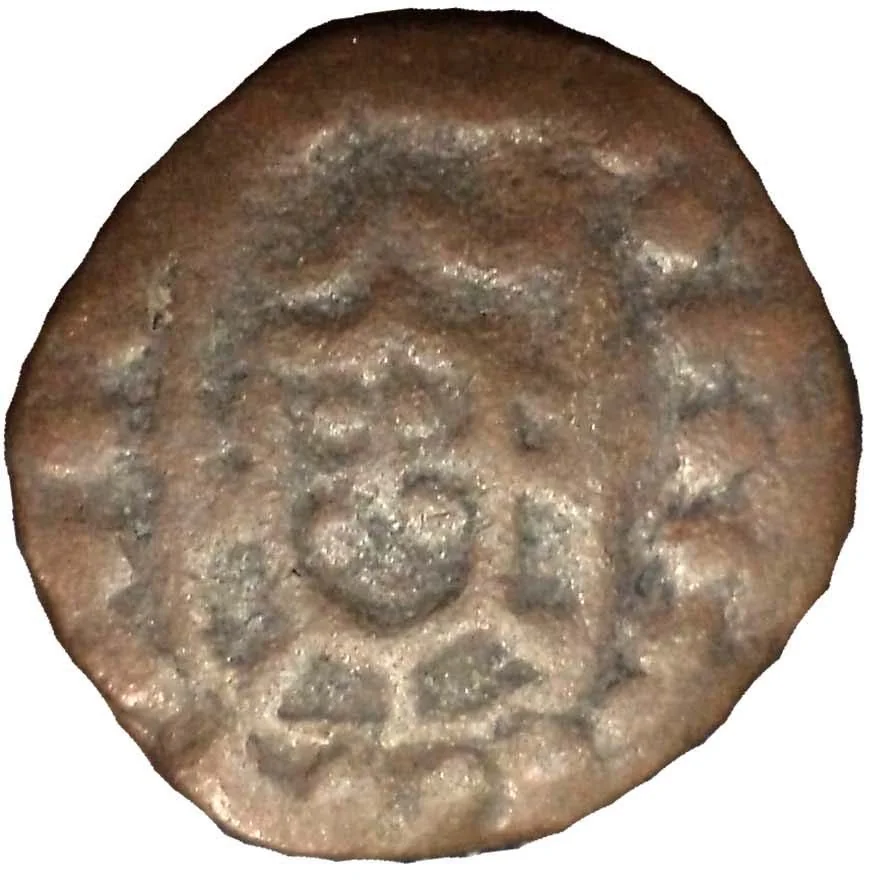
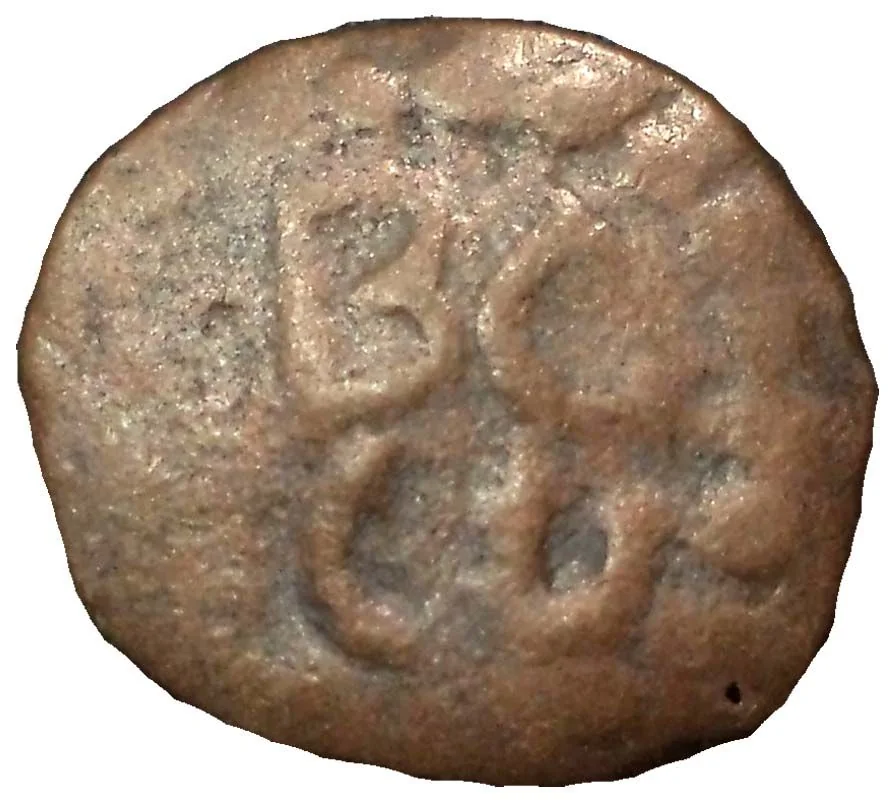
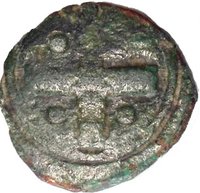
4 bazarucos – Portuguese India
Add to wishlist
India
Context
Years: 1530–1544
Country: India
Issuer: Portuguese India
Issuing organization: Casa da Moeda de Cochim
Ruler: João III
Currency:
(1509—1580)
Demonetized: Yes
Material
References
KM: #
Numista: #49525
Mintings
| Year | Mint Mark | Mintage | Quality | Collection |
|---|---|---|---|---|
| — | — | — |
Historical background
In 1530, the currency situation in Portuguese India was characterized by a complex and pragmatic pluralism. The Estado da Índia, with its capital recently moved from Cochin to the newly acquired island of Goa (1510), did not yet possess a unified monetary system. Instead, the Portuguese administration operated within the robust and ancient commercial networks of the Indian Ocean, which were dominated by a variety of high-quality gold, silver, and copper coins from regional powers. The most important of these was the gold hūn (or pardau) of the Vijayanagara Empire and the widespread silver Gujarati māmdī, alongside a multitude of other local and Islamic coinages. Portuguese trade, from the purchase of spices to the payment of troops, was conducted primarily using these indigenous currencies.
Recognizing the need for a stable medium for official transactions and to assert sovereign authority, the Portuguese crown had begun to issue its own coinage in Goa. The most significant of these was the Portuguese-Indian cruzado, a gold coin equivalent in value to the Vijayanagara hūn, intended to facilitate state finance and long-distance trade. However, these official coins circulated alongside a plethora of local tangas (silver) and bazarucos (low-value copper or billon coins), the latter often used for small-scale market exchanges and tax payments. The Portuguese state exercised limited control, often simply validating and taxing the circulation of pre-existing currencies rather than replacing them.
Thus, the monetary landscape was one of layered coexistence and calculated adaptation. The Portuguese crown's coins represented an aspirational standard for government affairs, but the real engine of the marketplace remained the trusted regional currencies of Indian polities and merchant guilds. This system reflected the fundamental reality of Portuguese power in 1530: they were a naval and mercantile elite inserted into, and dependent upon, a far older and economically sophisticated Asian world, whose monetary habits they were obliged to accommodate.
Recognizing the need for a stable medium for official transactions and to assert sovereign authority, the Portuguese crown had begun to issue its own coinage in Goa. The most significant of these was the Portuguese-Indian cruzado, a gold coin equivalent in value to the Vijayanagara hūn, intended to facilitate state finance and long-distance trade. However, these official coins circulated alongside a plethora of local tangas (silver) and bazarucos (low-value copper or billon coins), the latter often used for small-scale market exchanges and tax payments. The Portuguese state exercised limited control, often simply validating and taxing the circulation of pre-existing currencies rather than replacing them.
Thus, the monetary landscape was one of layered coexistence and calculated adaptation. The Portuguese crown's coins represented an aspirational standard for government affairs, but the real engine of the marketplace remained the trusted regional currencies of Indian polities and merchant guilds. This system reflected the fundamental reality of Portuguese power in 1530: they were a naval and mercantile elite inserted into, and dependent upon, a far older and economically sophisticated Asian world, whose monetary habits they were obliged to accommodate.

✨ Legendary