

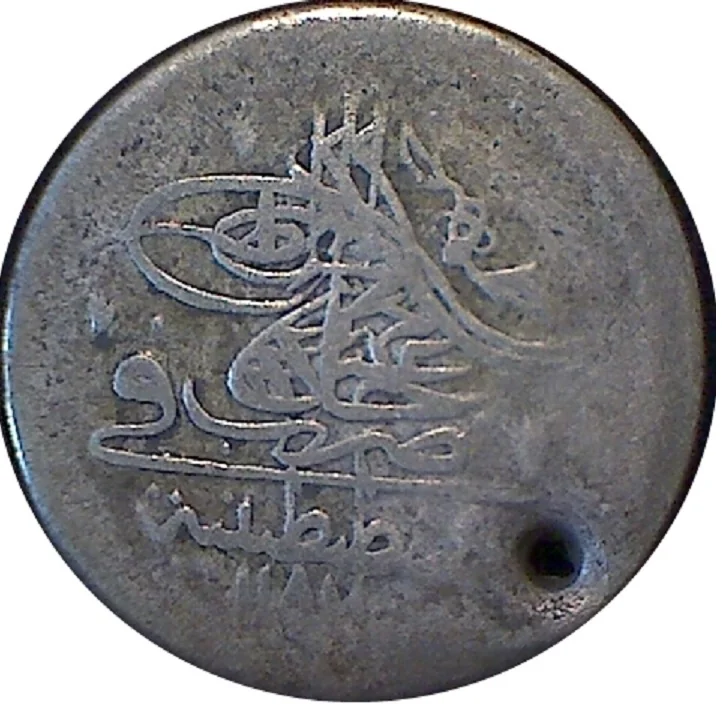
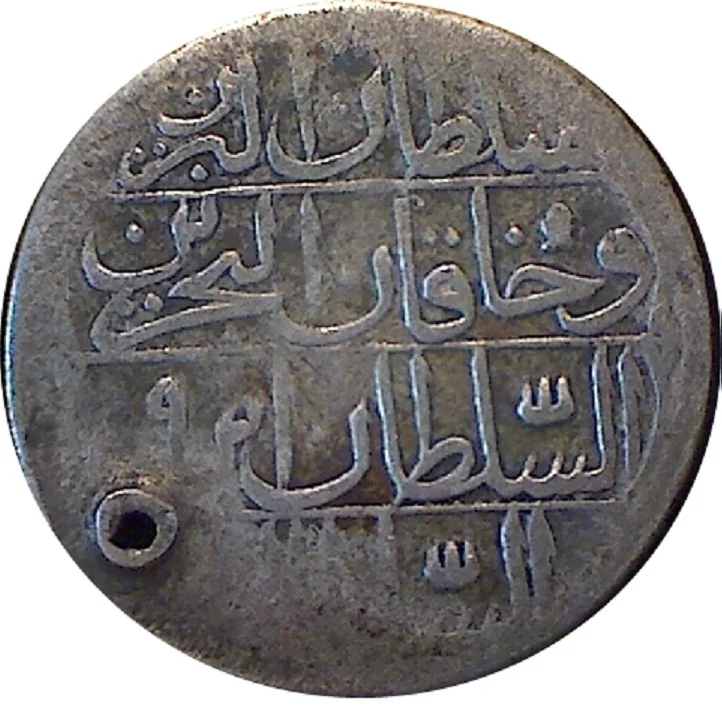
10 Para – Ottoman Empire
Turkey
Context
Years: 1780–1788
Islamic (Hijri) Year: 1187
Country: Turkey 
Issuer: Ottoman Empire
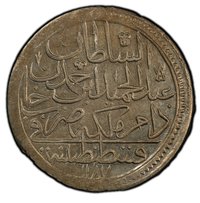
Ruler: Abdul Hamid I
Currency:
(1688—1844)
Demonetized: Yes
Material
References
KM: #Click to copy to clipboard384
Numista: #49368
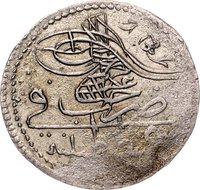
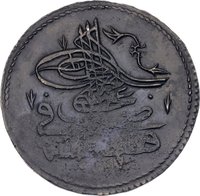
Obverse
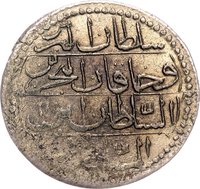
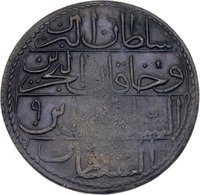
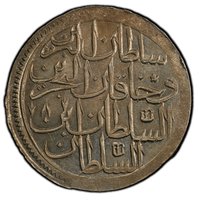
Reverse
Description:
Sultan of Lands and Seas, Son of Sultans.
Inscription:
سلطان البرين
و خاقان البحرين
السلطان ابن
السلطان
و خاقان البحرين
السلطان ابن
السلطان
Script: Arabic
Edge
Mints
| Name | Mark |
|---|---|
| Constantinople | — |
Mintings
| Year | Mint Mark | Mintage | Quality | Collection |
|---|---|---|---|---|
| 1780 | — | — | ||
| 1781 | — | — | ||
| 1782 | — | — | ||
| 1783 | — | — | ||
| 1784 | — | — | ||
| 1785 | — | — | ||
| 1786 | — | — | ||
| 1787 | — | — | ||
| 1788 | — | — |
Historical background
By 1780, the Ottoman Empire's currency system was in a state of profound crisis, characterized by severe debasement and fiscal instability. The primary silver coin, the akçe, had been so drastically reduced in silver content over the preceding century that it was nearly valueless, leading to its effective disappearance from large-scale transactions. In its place, the kuruş (or piastre), a larger silver coin modeled on European thalers, served as the main unit of account, but it too suffered from irregular weight and purity. This period saw a chaotic circulation of various foreign coins—especially Dutch lion dollars and Austrian thalers—alongside a plethora of older, clipped, and counterfeit Ottoman issues, creating a bewildering and unreliable monetary environment for both state finance and daily commerce.
The root cause was the Empire's relentless fiscal pressures, primarily driven by costly and often unsuccessful wars with Russia (like the ongoing 1768-1774 conflict's aftermath) and Austria. Facing massive budget deficits, the state repeatedly resorted to debasement (tağşiş), secretly reducing the precious metal content in new coin mintings to create short-term profit. This practice destroyed public trust in the currency, drove sound money out of circulation (Gresham's Law), and caused rampant price inflation. The situation was exacerbated by a decentralized mint system and the weakening authority of the central government, which struggled to control provincial pashas and mint masters who often engaged in unauthorized coinage.
Consequently, the monetary chaos of 1780 reflected and accelerated the Empire's broader political and economic decline. Internal trade was hampered by the lack of a reliable standard, while international merchants increasingly insisted on payment in stable foreign specie, draining wealth from the Empire. Despite recognizing the problem, Sultan Abdülhamid I's government found itself trapped, as any attempt at comprehensive monetary reform required fiscal stability it could not achieve. Thus, the currency situation remained a debilitating cycle of debasement and inflation, undermining the Ottoman economy on the eve of the modern era.
The root cause was the Empire's relentless fiscal pressures, primarily driven by costly and often unsuccessful wars with Russia (like the ongoing 1768-1774 conflict's aftermath) and Austria. Facing massive budget deficits, the state repeatedly resorted to debasement (tağşiş), secretly reducing the precious metal content in new coin mintings to create short-term profit. This practice destroyed public trust in the currency, drove sound money out of circulation (Gresham's Law), and caused rampant price inflation. The situation was exacerbated by a decentralized mint system and the weakening authority of the central government, which struggled to control provincial pashas and mint masters who often engaged in unauthorized coinage.
Consequently, the monetary chaos of 1780 reflected and accelerated the Empire's broader political and economic decline. Internal trade was hampered by the lack of a reliable standard, while international merchants increasingly insisted on payment in stable foreign specie, draining wealth from the Empire. Despite recognizing the problem, Sultan Abdülhamid I's government found itself trapped, as any attempt at comprehensive monetary reform required fiscal stability it could not achieve. Thus, the currency situation remained a debilitating cycle of debasement and inflation, undermining the Ottoman economy on the eve of the modern era.
💎 Extremely Rare