

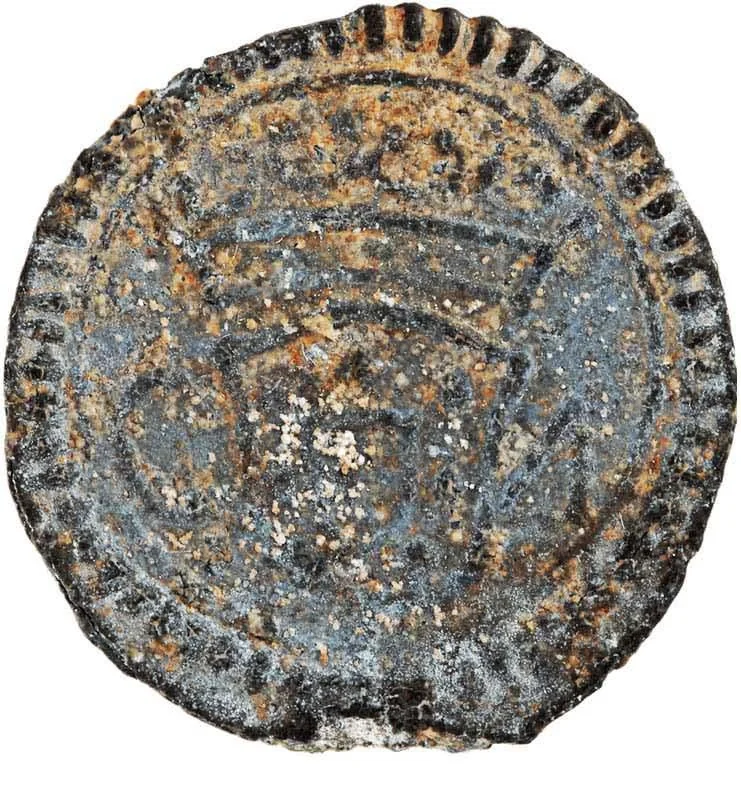
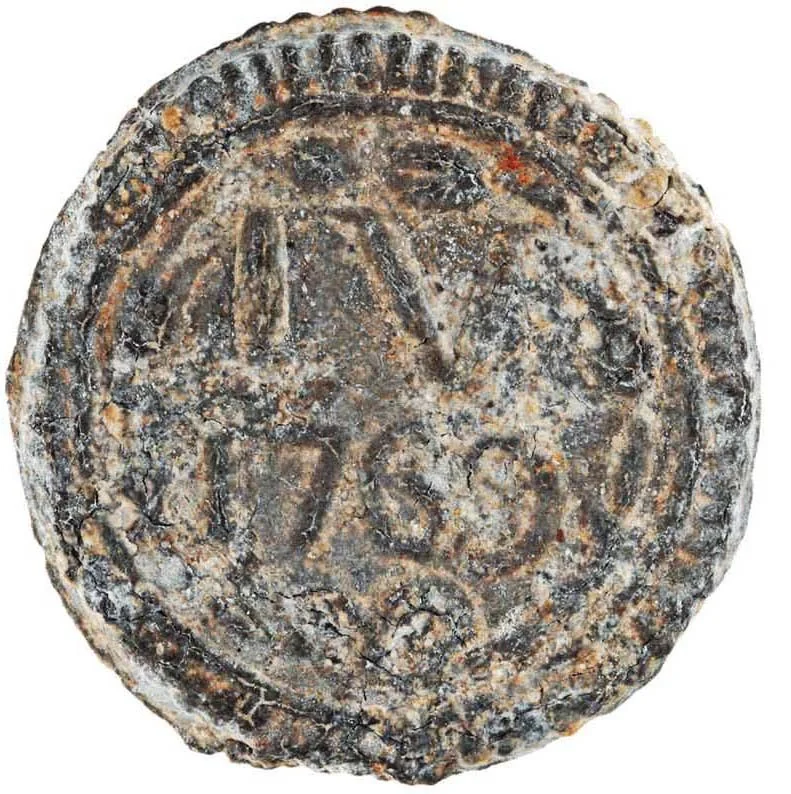
5 Bazarucos – Portuguese India
India
Context
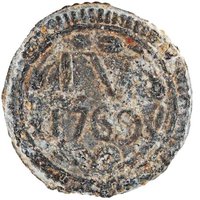
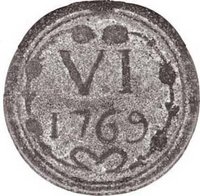
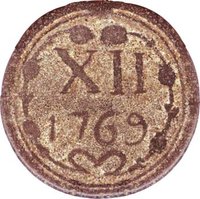
Year: 1769
Country: India 
Issuer: Portuguese India
Ruler: Joseph I
Currency:
(1706—1880)
Demonetized: Yes
Material
References
KM: #Click to copy to clipboard152
Numista: #49242
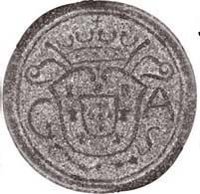
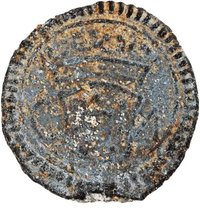
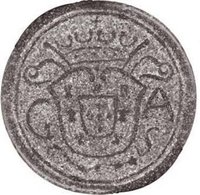
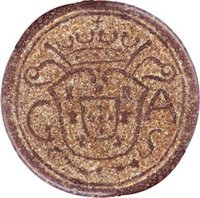
Obverse
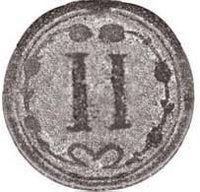
Reverse
Edge
Categories
| Symbols> Coat of Arms |
Mints
| Name | Mark |
|---|---|
| Goa | — |
Mintings
| Year | Mint Mark | Mintage | Quality | Collection |
|---|---|---|---|---|
| 1769 | G-A | — |
Historical background
In 1769, the currency situation in Portuguese India was a complex and challenging reflection of the territory's diminished economic power and its integration into wider Indian Ocean trade networks. The official currency, the Portuguese Indian rupia (or xerafim), struggled to maintain authority amidst a cacophony of circulating coins. The most significant of these were gold hons and silver pagodas from the neighbouring Maratha Confederacy and other Indian powers, alongside a flood of other European currencies, particularly French and British issues. This monetary pluralism was a direct result of Goa's role as a commercial hub, where merchants from various regions conducted business using their own familiar and trusted coinage.
The Portuguese administration faced severe difficulties due to the lack of control over bullion flows and the consequent instability in exchange rates. Attempts to fix the value of the rupia against this multitude of foreign coins were largely ineffective, leading to frequent arbitrage, market confusion, and revenue shortfalls for the colonial treasury. Furthermore, the quality and silver content of locally minted coins were often inferior, causing them to be undervalued in trade or even rejected, which further eroded Portuguese monetary sovereignty.
Ultimately, the currency chaos of 1769 symbolized the broader decline of the Estado da Índia. No longer a dominant naval and commercial power, Portuguese authorities in Goa could not enforce a uniform monetary standard. The economy was effectively driven by the demands of regional trade, with the value of money determined more by the intrinsic worth and acceptance of a multitude of foreign coins in the bazaars than by official decree from Lisbon or the Viceroy in Panjim.
The Portuguese administration faced severe difficulties due to the lack of control over bullion flows and the consequent instability in exchange rates. Attempts to fix the value of the rupia against this multitude of foreign coins were largely ineffective, leading to frequent arbitrage, market confusion, and revenue shortfalls for the colonial treasury. Furthermore, the quality and silver content of locally minted coins were often inferior, causing them to be undervalued in trade or even rejected, which further eroded Portuguese monetary sovereignty.
Ultimately, the currency chaos of 1769 symbolized the broader decline of the Estado da Índia. No longer a dominant naval and commercial power, Portuguese authorities in Goa could not enforce a uniform monetary standard. The economy was effectively driven by the demands of regional trade, with the value of money determined more by the intrinsic worth and acceptance of a multitude of foreign coins in the bazaars than by official decree from Lisbon or the Viceroy in Panjim.
✨ Legendary