

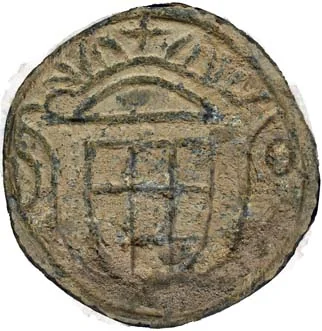
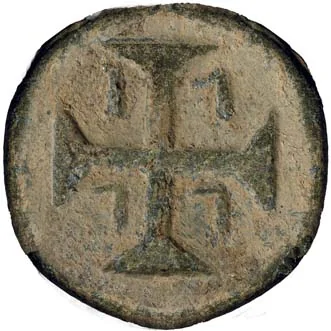
10 bazarucos – Portuguese India
Add to wishlist
India
Context
Year: 1777
Country: India
Issuer: Portuguese India
Issuing organization: Casa da Moeda de Diu
Ruler: Joseph I
Currency:
(1706—1880)
Demonetized: Yes
Material
References
KM: #
Numista: #49221
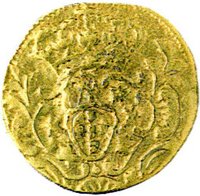
Obverse
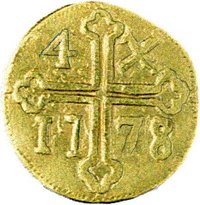
Reverse
Edge
Categories
| Symbols> Coat of Arms |
| Symbol> Cross |
Mintings
| Year | Mint Mark | Mintage | Quality | Collection |
|---|---|---|---|---|
| 1777 | — | — | ||
| 1777 | D-O | — |
Historical background
In 1777, the currency situation in Portuguese India, centered on Goa, was a complex and fragmented system reflecting its role as a commercial hub and a colony in economic decline. The official currency was the Portuguese xerafim, but it circulated alongside a multitude of other coins, creating a chronically unstable monetary environment. The most significant of these were the gold mohur and silver rupee from the neighboring Maratha Empire, which dominated regional trade. Additionally, older Portuguese coins like the cruzado, and even coins from other European powers like the Spanish-American real (or "piece of eight"), were present, their values fluctuating based on metal content and market demand.
This monetary chaos was exacerbated by a severe shortage of specie (coined money) within the colony itself. Goa suffered from a chronic trade deficit, exporting little and importing necessities, which caused precious metal coins to constantly drain out to pay for goods from other Indian territories. To alleviate this shortage, the authorities frequently resorted to debasement—reducing the silver content in locally minted coins like the bazarucos and tangas. This practice further eroded public confidence in the official currency, driving people to hoard purer foreign coins and deepening reliance on the more stable Maratha rupees for significant transactions.
Consequently, daily economic life in Portuguese India operated on a dual system: official accounts were kept in xerafins, while actual trade and commerce were often conducted in Maratha rupees or through cumbersome barter. The government's inability to control or unify the currency system was a symptom of its wider political and economic weakness, leaving the colony's economy vulnerable to external shifts and internal inflation. This unstable monetary landscape persisted until the early 19th century, when more systematic reforms were attempted.
This monetary chaos was exacerbated by a severe shortage of specie (coined money) within the colony itself. Goa suffered from a chronic trade deficit, exporting little and importing necessities, which caused precious metal coins to constantly drain out to pay for goods from other Indian territories. To alleviate this shortage, the authorities frequently resorted to debasement—reducing the silver content in locally minted coins like the bazarucos and tangas. This practice further eroded public confidence in the official currency, driving people to hoard purer foreign coins and deepening reliance on the more stable Maratha rupees for significant transactions.
Consequently, daily economic life in Portuguese India operated on a dual system: official accounts were kept in xerafins, while actual trade and commerce were often conducted in Maratha rupees or through cumbersome barter. The government's inability to control or unify the currency system was a symptom of its wider political and economic weakness, leaving the colony's economy vulnerable to external shifts and internal inflation. This unstable monetary landscape persisted until the early 19th century, when more systematic reforms were attempted.
✨ Legendary