

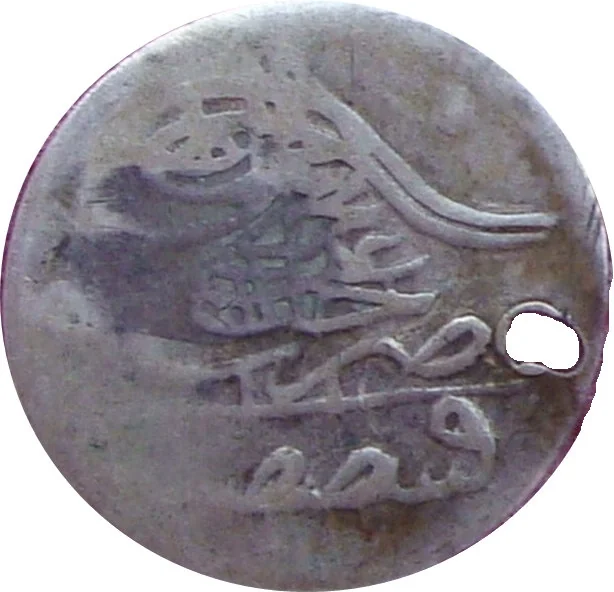
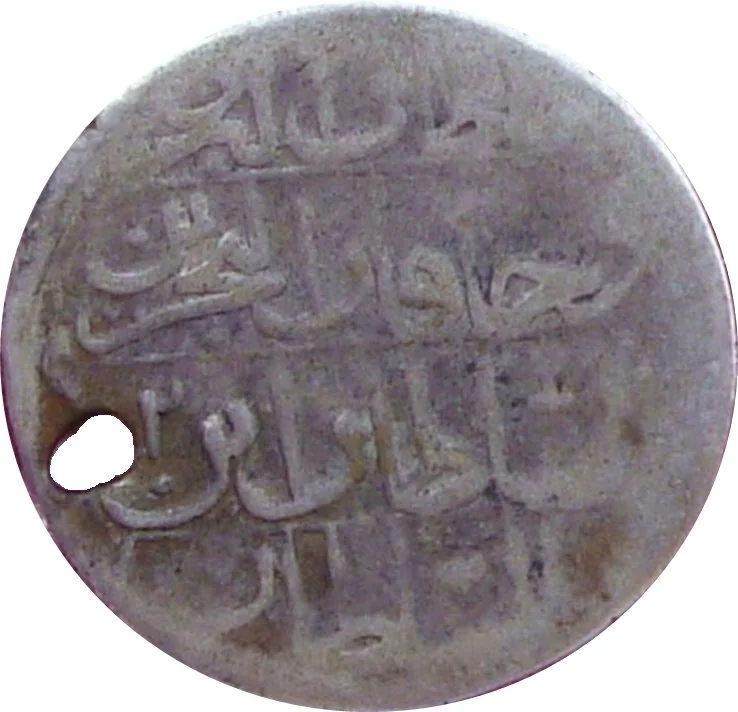
5 para – Ottoman Empire
Add to wishlist
Turkey
Context
Year: 1773
Islamic (Hijri) Year:: 1187
Country: Turkey
Issuer: Ottoman Empire
Ruler: Abdul Hamid I
Currency:
(1688—1844)
Demonetization: 1870
Material
References
KM: #
Numista: #49126
Value
Bullion value: $4.76
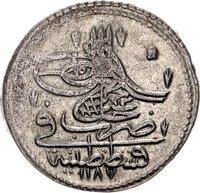
Obverse
Description:
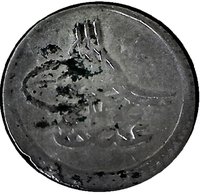
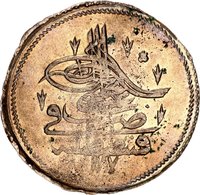
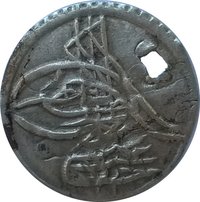
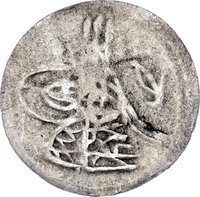
Toughra type two: dot to the right.
Script: Arabic
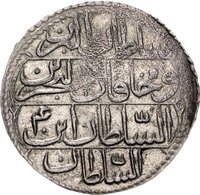
Reverse
Description:
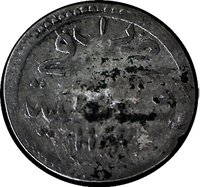
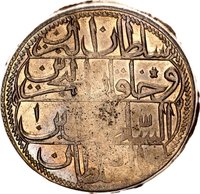
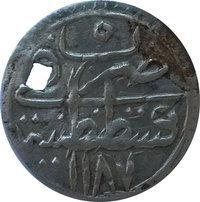
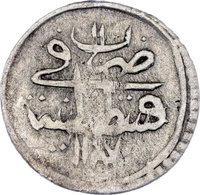
Sultan of Two Lands and Two Seas, son of sultans.
Script: Arabic
Edge
Plain
Mints
| Name | Mark |
|---|---|
| Constantinople | — |
Mintings
| Year | Mint Mark | Mintage | Quality | Collection |
|---|---|---|---|---|
| 1773 | — | — |
Historical background
In 1773, the Ottoman Empire’s currency system was in a state of profound crisis, symptomatic of broader imperial decline. The empire operated on a bimetallic system, with the gold altın and the silver kuruş (piastre) as the primary units, alongside a vast array of copper mangır for small transactions. However, decades of costly wars (notably the ongoing and disastrous Russo-Turkish War of 1768-1774), territorial losses, and a weakening central treasury had led to chronic budget deficits. The state’s traditional response was severe currency debasement—reducing the precious metal content in coins while maintaining their nominal face value—to create short-term revenue.
This practice, known as tağşiş, had become especially severe in the mid-18th century, destroying monetary stability. By 1773, the silver kuruş had been debased so frequently that its value was a fraction of what it had been a century prior, leading to rampant inflation, price volatility, and a collapse in public trust. The chaotic circulation of older, purer coins alongside newer, debased ones, as well as a flood of foreign currencies like the Austrian thaler and Dutch lion dollar in port cities, further complicated commerce. Different provinces often valued coins differently, fragmenting the internal market.
The consequences were severe and multifaceted. The Janissaries and other state officials, paid in devalued currency, grew resentful and prone to rebellion. Long-distance merchants and tax farmers (sarrafs) hoarded old coins or dealt in foreign specie, undermining the state’s fiscal authority. While the war with Russia was the immediate drain, the monetary chaos of 1773 revealed a deeper structural failure: the Sultan’s government could no longer control its most basic economic instrument, setting the stage for the even more dramatic reforms and crises of the 19th century.
This practice, known as tağşiş, had become especially severe in the mid-18th century, destroying monetary stability. By 1773, the silver kuruş had been debased so frequently that its value was a fraction of what it had been a century prior, leading to rampant inflation, price volatility, and a collapse in public trust. The chaotic circulation of older, purer coins alongside newer, debased ones, as well as a flood of foreign currencies like the Austrian thaler and Dutch lion dollar in port cities, further complicated commerce. Different provinces often valued coins differently, fragmenting the internal market.
The consequences were severe and multifaceted. The Janissaries and other state officials, paid in devalued currency, grew resentful and prone to rebellion. Long-distance merchants and tax farmers (sarrafs) hoarded old coins or dealt in foreign specie, undermining the state’s fiscal authority. While the war with Russia was the immediate drain, the monetary chaos of 1773 revealed a deeper structural failure: the Sultan’s government could no longer control its most basic economic instrument, setting the stage for the even more dramatic reforms and crises of the 19th century.

💎 Extremely Rare