

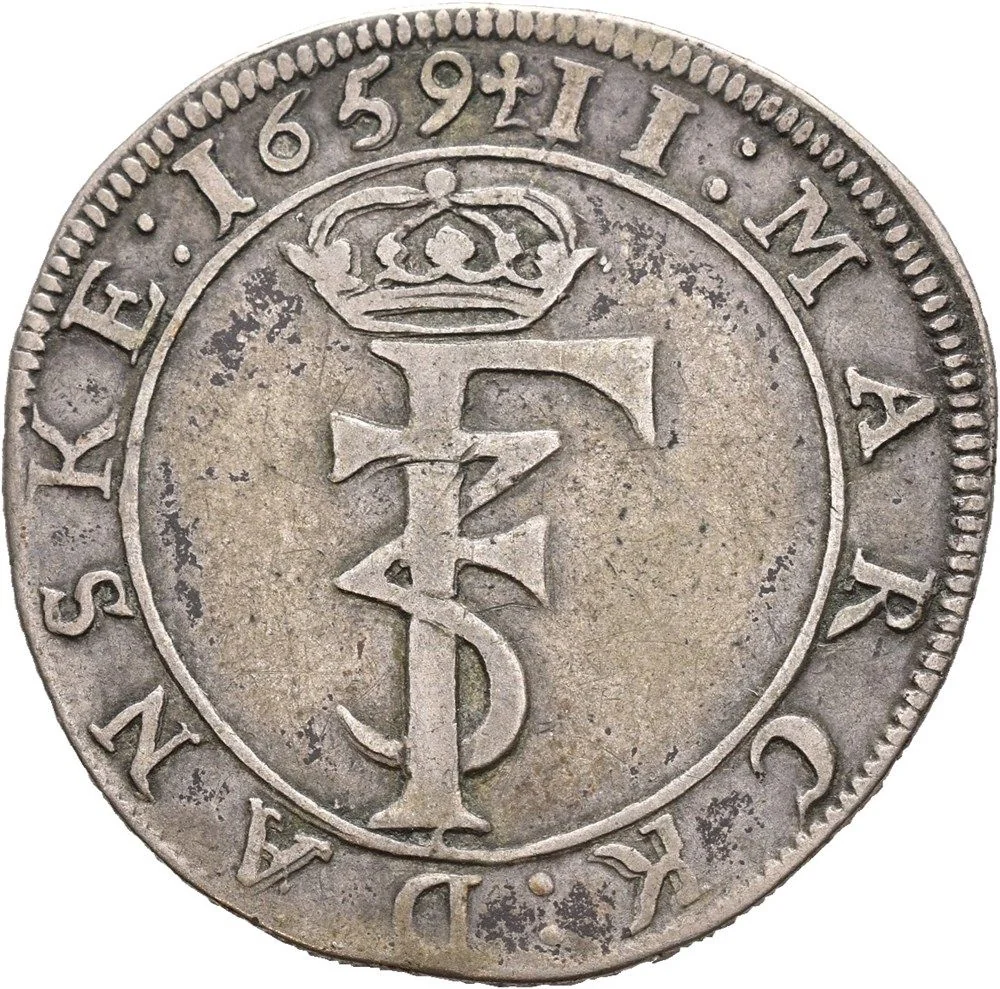
Obverse
Description:
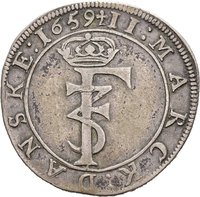
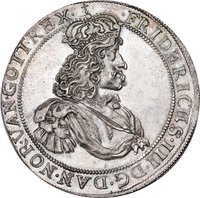
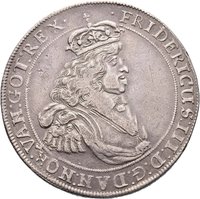
Crowned monogram of Frederik III within a solid ring, surrounded by a beaded circle and inscription. Beaded rim.
Inscription:
II:MARCK·DANSKE·1659 (mm)
Script: Latin
Reverse
Description:
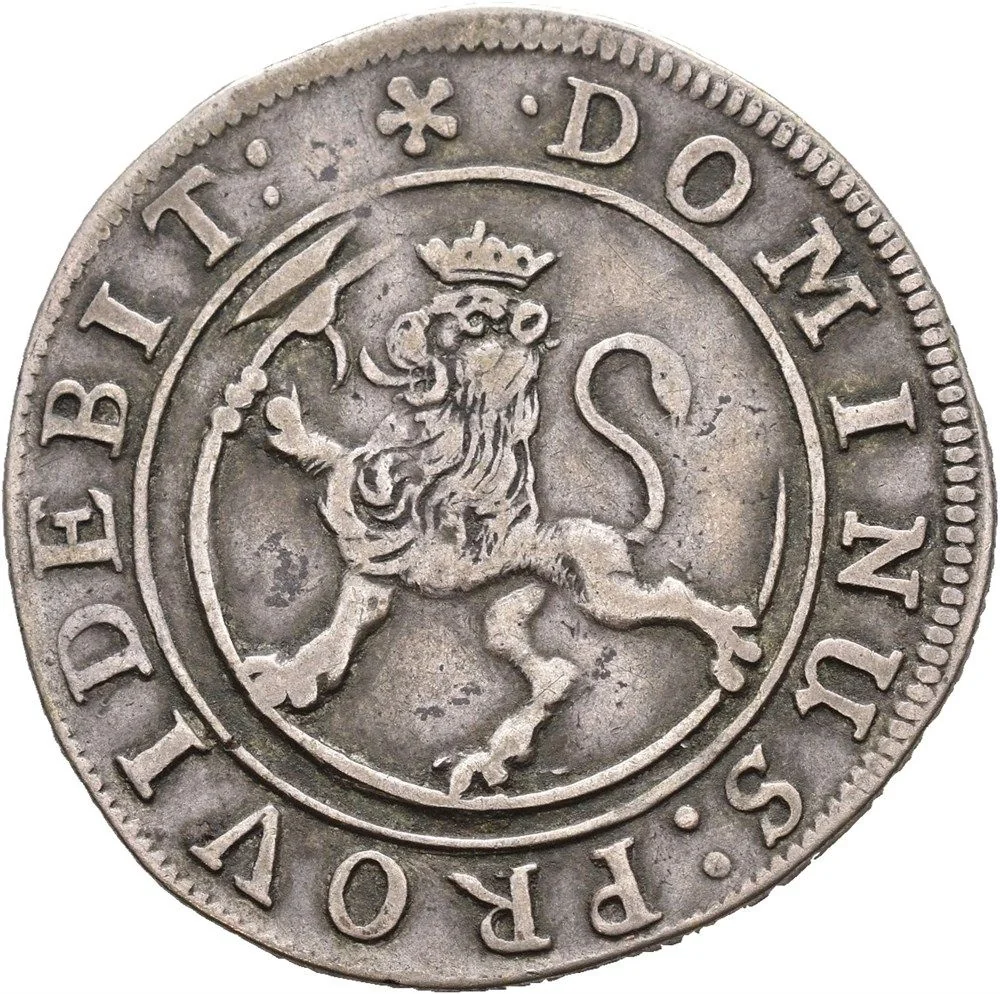
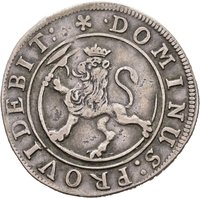
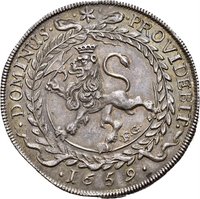
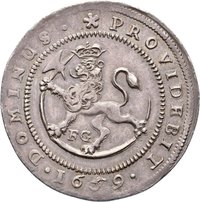
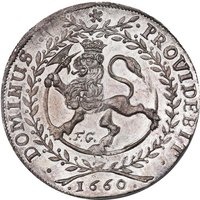
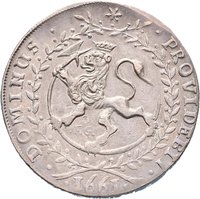
Norwegian lion crowned, facing left with axe, within solid and beaded rings. Inscription surrounds. Beaded rim.
Inscription:
·DOMINUS:PROVIDEBIT:🞲
Script: Latin
Edge
Plain.
Categories
| Object> Cold weapons |
| Animal |
| Symbol> Crown |
| Plants> Flower |
| Symbols> Coat of Arms |
| Symbols> Monogram |
Mints
| Name | Mark |
|---|---|
| Christiania | — |
Mintings
| Year | Mint Mark | Mintage | Quality | Collection |
|---|---|---|---|---|
| 1659 | — | — |
Historical background
In 1659, Norway was in the midst of a severe monetary crisis, a direct consequence of its political union with Denmark under the absolute monarchy of King Frederik III. The kingdom was engaged in the devastating Dano-Swedish War (1657-1660), which had placed enormous strain on state finances. To fund the war effort, the Danish-Norwegian crown had resorted to rampant debasement of the coinage, drastically reducing the silver content in coins like the skilling and mark while ordering them to circulate at their old, higher face value. This created a flood of nearly worthless coins, leading to rampant inflation and a collapse of public trust in the currency.
The situation was exacerbated by the widespread use of low-quality "emergency coins" (nødmynter), minted from copper and other base metals, which further displaced sound silver money. Merchants and the population, recognizing the intrinsic worthlessness of the new coins, began to hoard older, purer silver coins or demanded payment in kind, causing a breakdown in normal trade and market transactions. The monetary chaos was felt acutely in Norway, which lacked its own mint and was therefore wholly subject to the monetary policies decided in Copenhagen, policies designed to extract resources from the entire dual monarchy.
This crisis culminated in a state bankruptcy in 1660, setting the stage for a major monetary reform. The war's end with the Treaty of Copenhagen in 1660 allowed for the introduction of a new, standardized silver-based currency system in the following years. Thus, the currency situation of 1659 represents the chaotic low point of wartime finance, directly contributing to the political and fiscal centralization that would define the absolute monarchy established in Denmark-Norway later in 1660.
The situation was exacerbated by the widespread use of low-quality "emergency coins" (nødmynter), minted from copper and other base metals, which further displaced sound silver money. Merchants and the population, recognizing the intrinsic worthlessness of the new coins, began to hoard older, purer silver coins or demanded payment in kind, causing a breakdown in normal trade and market transactions. The monetary chaos was felt acutely in Norway, which lacked its own mint and was therefore wholly subject to the monetary policies decided in Copenhagen, policies designed to extract resources from the entire dual monarchy.
This crisis culminated in a state bankruptcy in 1660, setting the stage for a major monetary reform. The war's end with the Treaty of Copenhagen in 1660 allowed for the introduction of a new, standardized silver-based currency system in the following years. Thus, the currency situation of 1659 represents the chaotic low point of wartime finance, directly contributing to the political and fiscal centralization that would define the absolute monarchy established in Denmark-Norway later in 1660.
Series: 1659 Norway circulation coins
✨ Legendary