

2 Mun – Joseon
Material
Diameter: 32 mm
Weight: 8 g
Shape: Round with a square hole
Composition: Copper
Magnetic: No
Alignment: Medal alignment

flip
References
KM: #Click to copy to clipboard164
Numista: #490355
Obverse
Description:
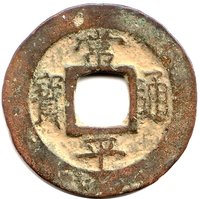
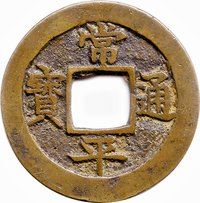
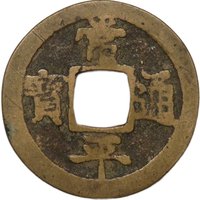
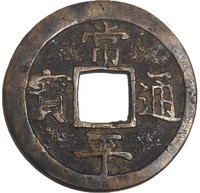
常平通寶 (Sang pyong tong bo) - Korean Yi Dynasty currency.
Inscription:
常
寶 通
平
寶 通
平
Reverse
Description:
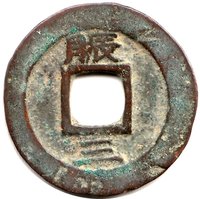
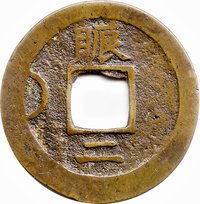
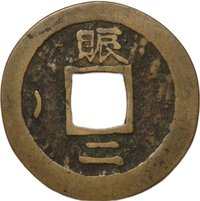
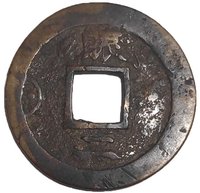
Mint mark above, serial below. 賑 (Chin): Seoul Charity Office.
Inscription:
賑
○
二
○
二
Edge
Plain
Mints
| Name | Mark |
|---|---|
| Charity Office | 賑 |
Mintings
| Year | Mint Mark | Mintage | Quality | Collection |
|---|---|---|---|---|
| — | 賑 | — |
Historical background
In 1695, the Joseon Dynasty was grappling with a severe and complex currency crisis rooted in the failed introduction of a new coin. For over a century, the kingdom had relied primarily on a "barter and cloth" economy, using rice, cotton cloth (pye), and hemp cloth as mediums of exchange. Recognizing the limitations of this system, King Sukjong's government had attempted to reintroduce coinage in 1678 with the Sangpyeong Tongbo (常平通寶) copper cash, aiming to standardize currency, stimulate commerce, and increase state revenue.
However, the 1695 crisis was a direct result of a disastrous monetary experiment just two years prior. In 1693, in an effort to profit from seigniorage and address fiscal shortfalls, the state issued a new coin with the same face value but significantly reduced copper content, making it lighter and inferior. The public immediately recognized the devaluation, leading to a catastrophic loss of confidence. People hoarded the older, purer coins, and the new debased currency flooded the market, causing rampant inflation, economic confusion, and a collapse in trust in the government's monetary authority.
Facing widespread economic disruption and social unrest, King Sukjong was forced to enact a major monetary reform in 1695. The government demonetized the inferior 1693 coinage and recalled it, reintroducing a restored version of the original Sangpyeong Tongbo with reliable copper content. This decisive move was crucial in restoring public confidence and stabilizing prices. The 1695 reform ultimately solidified the Sangpyeong Tongbo as Joseon's standard coin for the next two centuries, marking a painful but pivotal transition from a commodity-based to a more stable coin-based monetary system.
However, the 1695 crisis was a direct result of a disastrous monetary experiment just two years prior. In 1693, in an effort to profit from seigniorage and address fiscal shortfalls, the state issued a new coin with the same face value but significantly reduced copper content, making it lighter and inferior. The public immediately recognized the devaluation, leading to a catastrophic loss of confidence. People hoarded the older, purer coins, and the new debased currency flooded the market, causing rampant inflation, economic confusion, and a collapse in trust in the government's monetary authority.
Facing widespread economic disruption and social unrest, King Sukjong was forced to enact a major monetary reform in 1695. The government demonetized the inferior 1693 coinage and recalled it, reintroducing a restored version of the original Sangpyeong Tongbo with reliable copper content. This decisive move was crucial in restoring public confidence and stabilizing prices. The 1695 reform ultimately solidified the Sangpyeong Tongbo as Joseon's standard coin for the next two centuries, marking a painful but pivotal transition from a commodity-based to a more stable coin-based monetary system.
Series: 1695 Joseon circulation coins

✨ Legendary