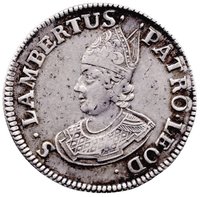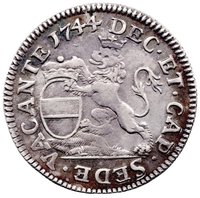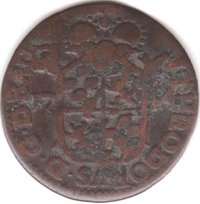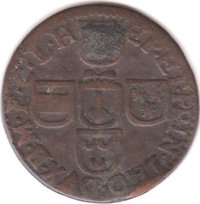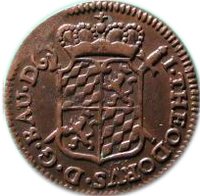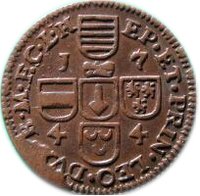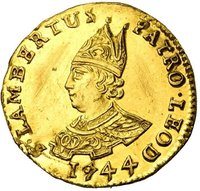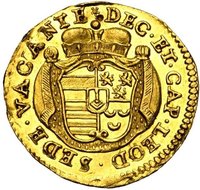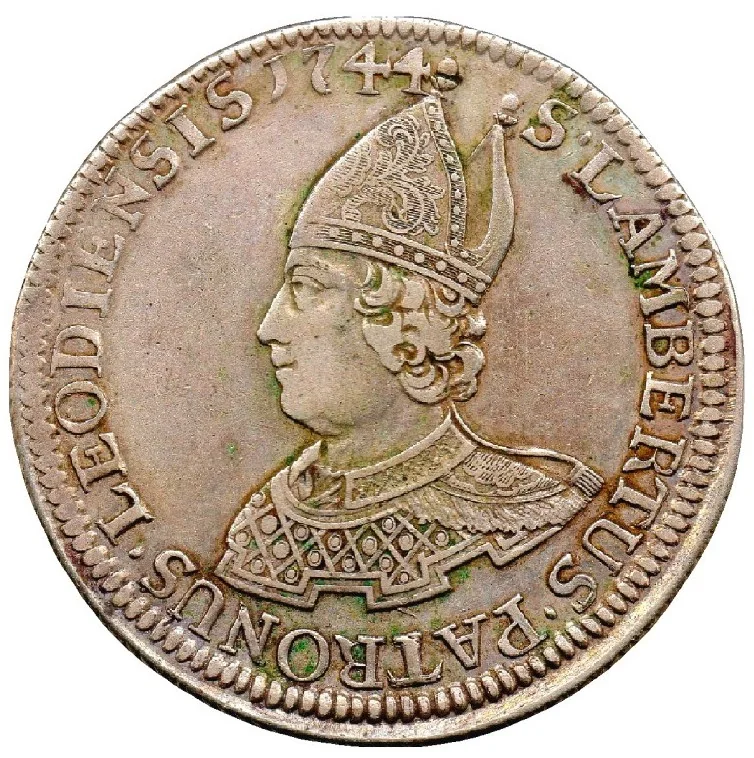
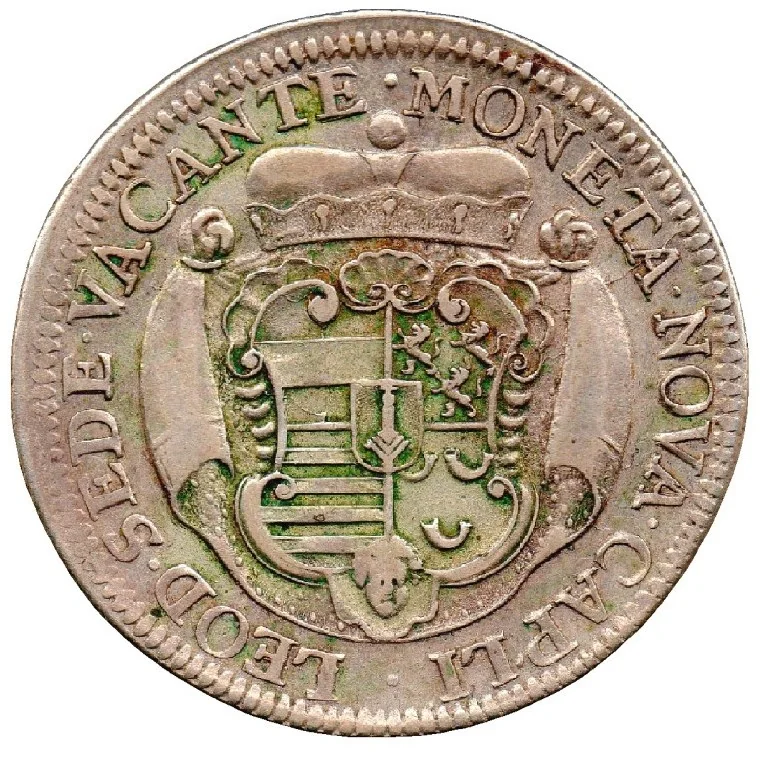
In 1744, the Prince-Bishopric of Liège found itself in a precarious monetary situation, characteristic of the fragmented Holy Roman Empire. The principality did not possess a unified, state-controlled currency. Instead, a multitude of coins circulated simultaneously: those officially minted in Liège (bearing the image of the ruling Prince-Bishop, Johann Theodor of Bavaria), coins from neighbouring states like the Austrian Netherlands and the Dutch Republic, and even older, debased pieces. This created a complex and unstable exchange environment, where the intrinsic silver or gold content of a coin often mattered more than its face value.
The core of the problem was chronic debasement. To finance state expenditures, particularly during the ongoing War of the Austrian Succession (1740-1748), the Liège mint frequently reduced the precious metal content in its newly struck coins while maintaining their nominal value. This practice, while providing short-term revenue, led to inflation, a loss of public confidence, and the phenomenon described by Gresham's Law: "good" money (full-weight coins) was hoarded or exported, while "bad" money (debased coins) flooded the local market. This eroded both domestic trade and the principality's economic standing with its neighbours.
Consequently, daily commerce was fraught with difficulty. Merchants and citizens had to be experts in assaying coins, relying on published
bans monétaires (currency ordinances) that attempted to set official exchange rates for the plethora of issues. However, these rates often lagged behind market realities. The situation created a fertile ground for fraud and arbitrage, placing a significant burden on the local economy. While Prince-Bishop Johann Theodor was aware of the issues, the fiscal pressures of the era and the lack of a central monetary authority made a comprehensive reform elusive in the mid-1740s.