

1 Dam – Mughal Empire
India
Context
Years: 1592–1605
Country: India 
Issuer: Mughal Empire
Ruler: Akbar
Currency:
(1540—1842)
Demonetized: Yes
Material
Diameter: 21 mm
Weight: 20.42 g
Thickness: 7.92 mm
Shape: Irregular round
Composition: Copper
Magnetic: No
References
KM: #Click to copy to clipboard32
Numista: #48371
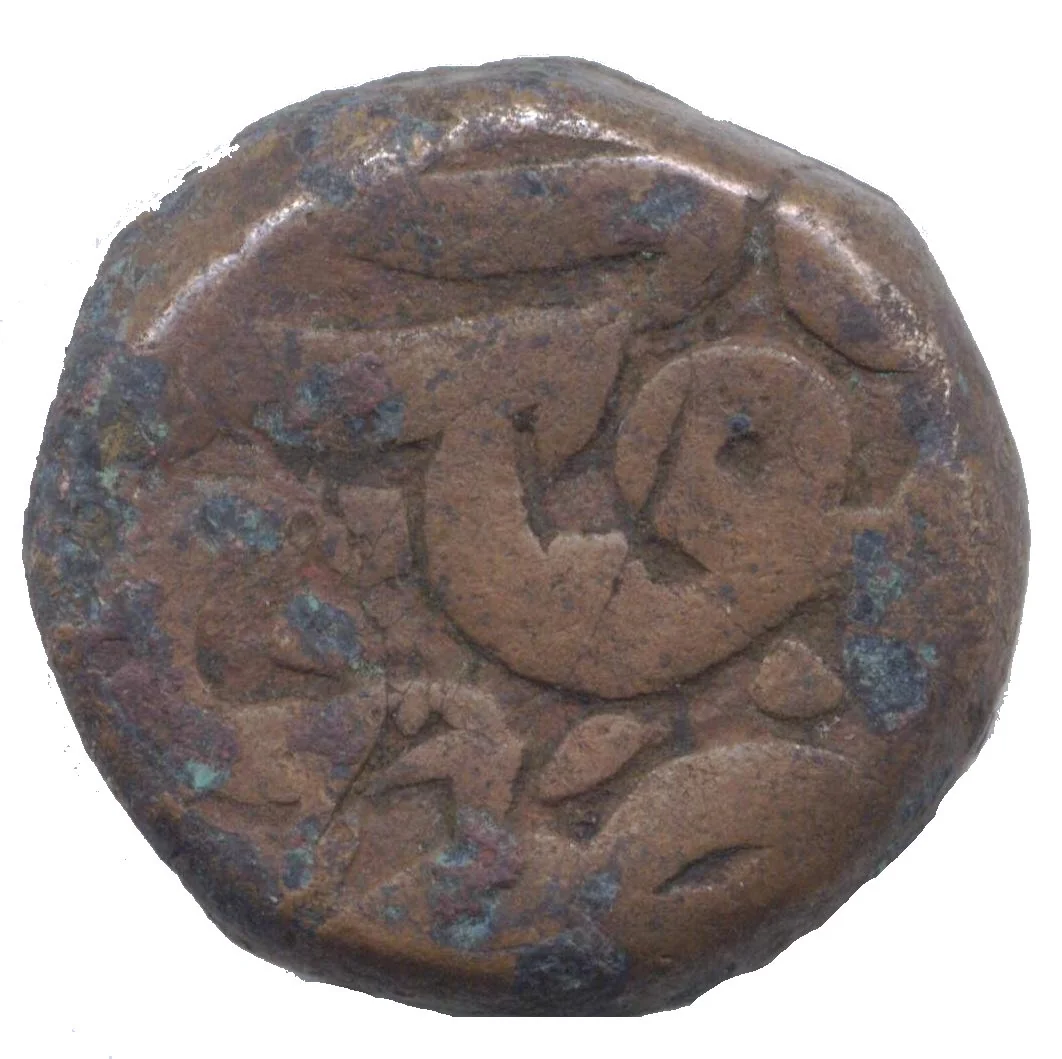
Obverse
Description:
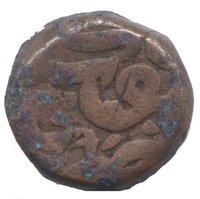
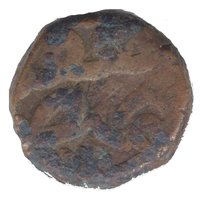
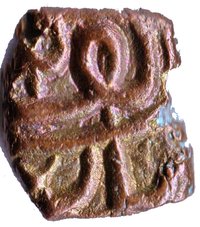
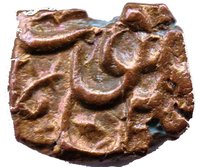
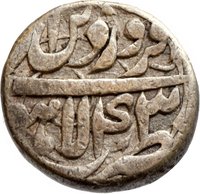
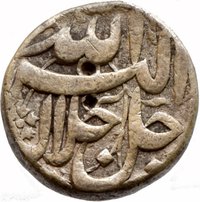
Unidentified Akbar (1556-1605) coin, KM# 32 variety.
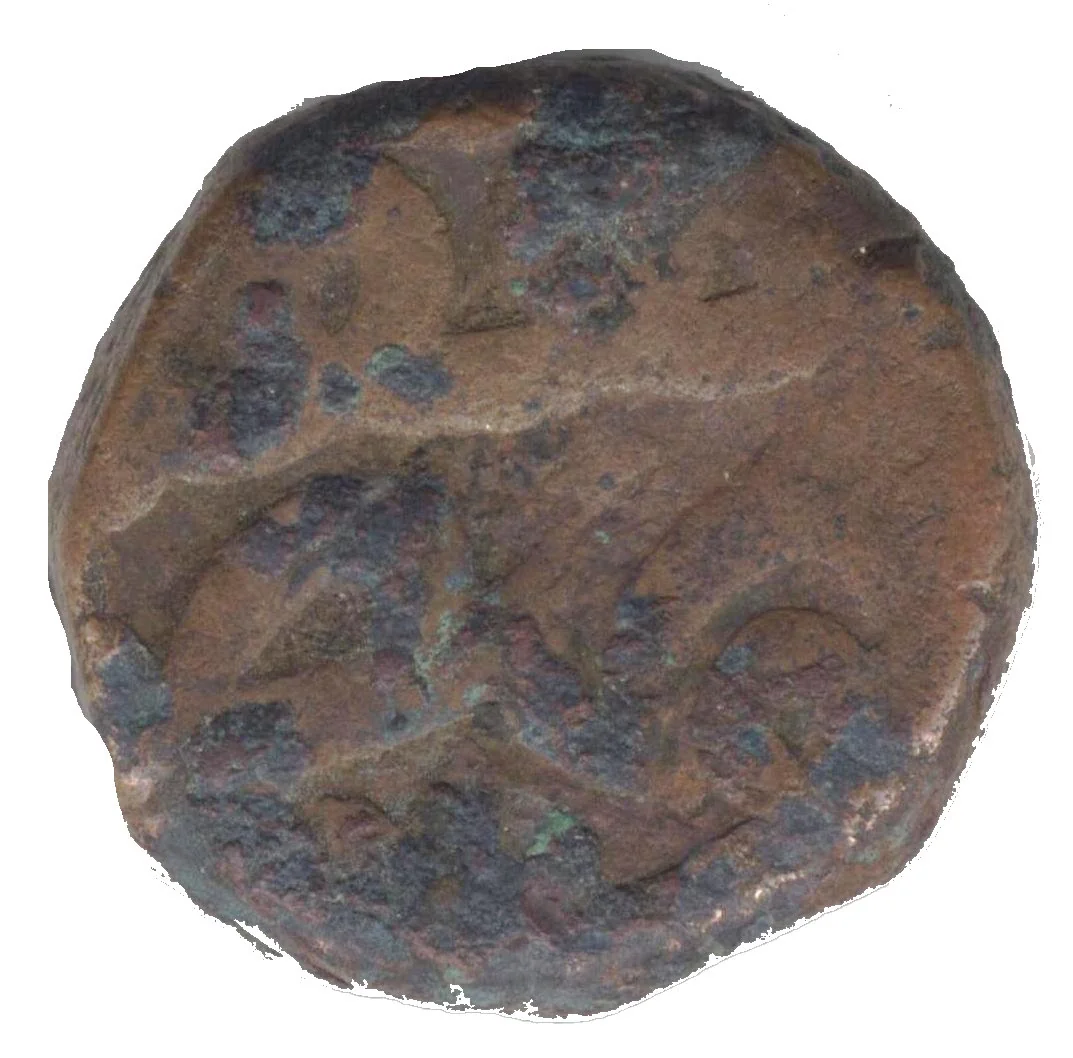
Reverse
Edge
Rough
Mintings
| Year | Mint Mark | Mintage | Quality | Collection |
|---|---|---|---|---|
| — | — | — |
Historical background
In 1592, the Mughal Empire's currency system under Emperor Akbar was a model of stability and sophistication, reflecting the empire's immense economic strength. The foundation was the silver rupee, a high-purity coin that served as the primary unit of account and medium for large transactions and revenue collection. It was complemented by a carefully calibrated system of fractional coinage: the copper dam (valued at 1/40 of a rupee) for everyday local trade, and the gold mohur, used primarily for hoarding, large state transactions, and international trade. This trimetallic system, with fixed exchange rates between the metals, facilitated commerce across the empire's vast territories.
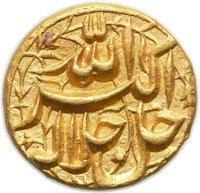
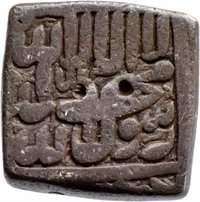
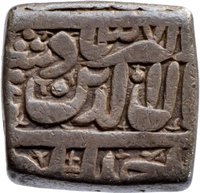
This stability was not accidental but the result of deliberate imperial policy. Akbar centralized minting operations, establishing mints (sikkas) in provincial capitals like Lahore, Ahmedabad, and Patna, all operating under strict imperial standards to ensure uniformity in weight and purity. The famous inscription "Allahu Akbar" on the coins asserted both divine and imperial authority. Furthermore, Akbar had recently implemented meticulous revenue reforms, assessing land taxes in cash (dams) and collecting them in silver rupees, which further embedded these currencies into the agrarian economy and ensured a steady flow of precious metals into the imperial treasury.
However, the system faced underlying pressures. A key challenge was the relative scarcity of silver within India, making the empire reliant on imports of bullion—primarily silver from the New World via European traders—to mint its crucial rupees. Any disruption to these trade flows could strain the money supply. Additionally, while the copper dam was abundant, its value was artificially maintained by the state; regional shortages or gluts could cause local economic friction. Nevertheless, in 1592, the system was at its peak, providing a reliable monetary foundation for the empire's continued expansion and the flourishing of commerce, architecture, and culture that defined Akbar's reign.
This stability was not accidental but the result of deliberate imperial policy. Akbar centralized minting operations, establishing mints (sikkas) in provincial capitals like Lahore, Ahmedabad, and Patna, all operating under strict imperial standards to ensure uniformity in weight and purity. The famous inscription "Allahu Akbar" on the coins asserted both divine and imperial authority. Furthermore, Akbar had recently implemented meticulous revenue reforms, assessing land taxes in cash (dams) and collecting them in silver rupees, which further embedded these currencies into the agrarian economy and ensured a steady flow of precious metals into the imperial treasury.
However, the system faced underlying pressures. A key challenge was the relative scarcity of silver within India, making the empire reliant on imports of bullion—primarily silver from the New World via European traders—to mint its crucial rupees. Any disruption to these trade flows could strain the money supply. Additionally, while the copper dam was abundant, its value was artificially maintained by the state; regional shortages or gluts could cause local economic friction. Nevertheless, in 1592, the system was at its peak, providing a reliable monetary foundation for the empire's continued expansion and the flourishing of commerce, architecture, and culture that defined Akbar's reign.
💎 Extremely Rare