

1 quattrino – Ravenna
Add to wishlist
Italy
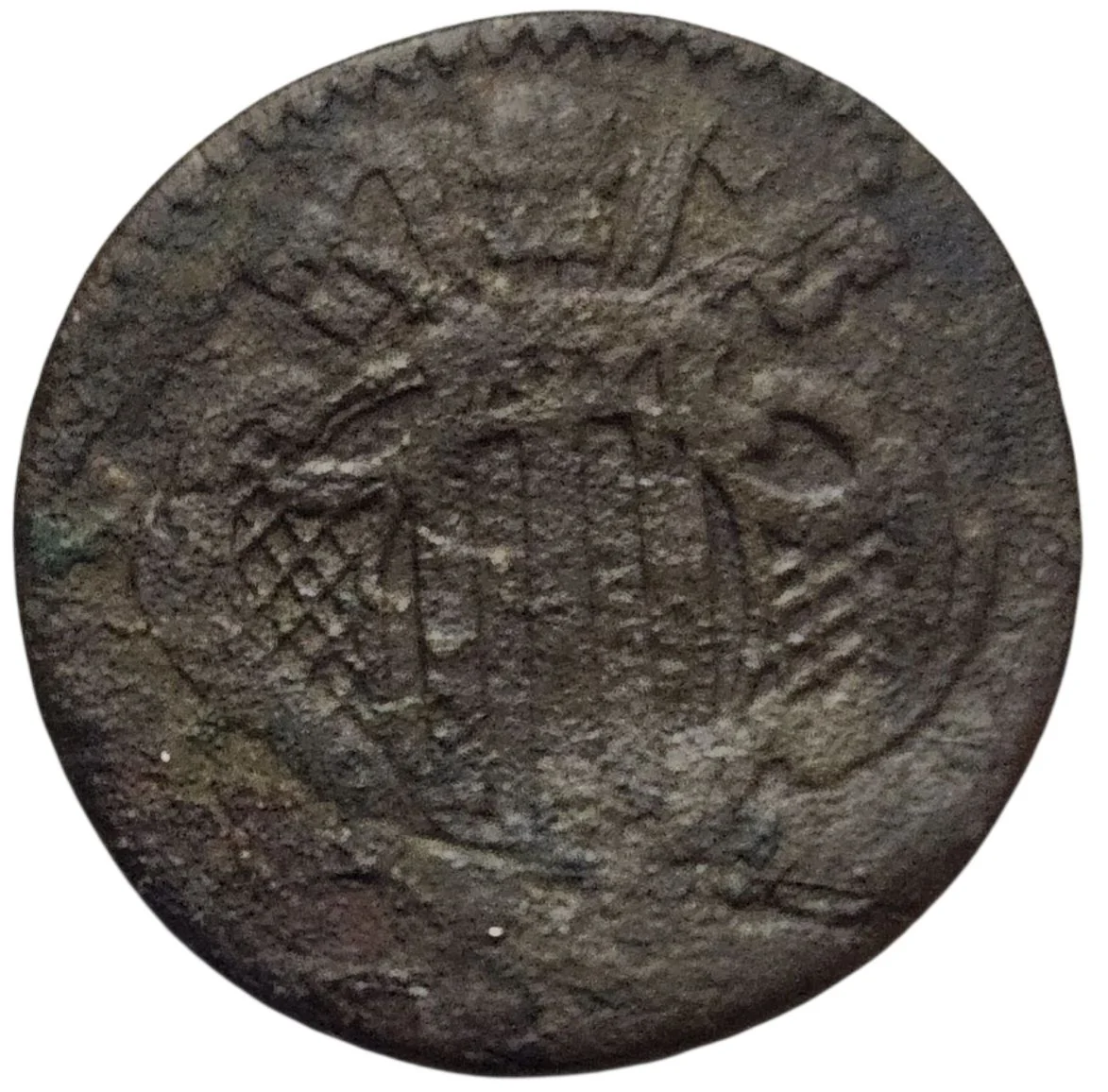
Obverse
Description:
Papal coat of arms
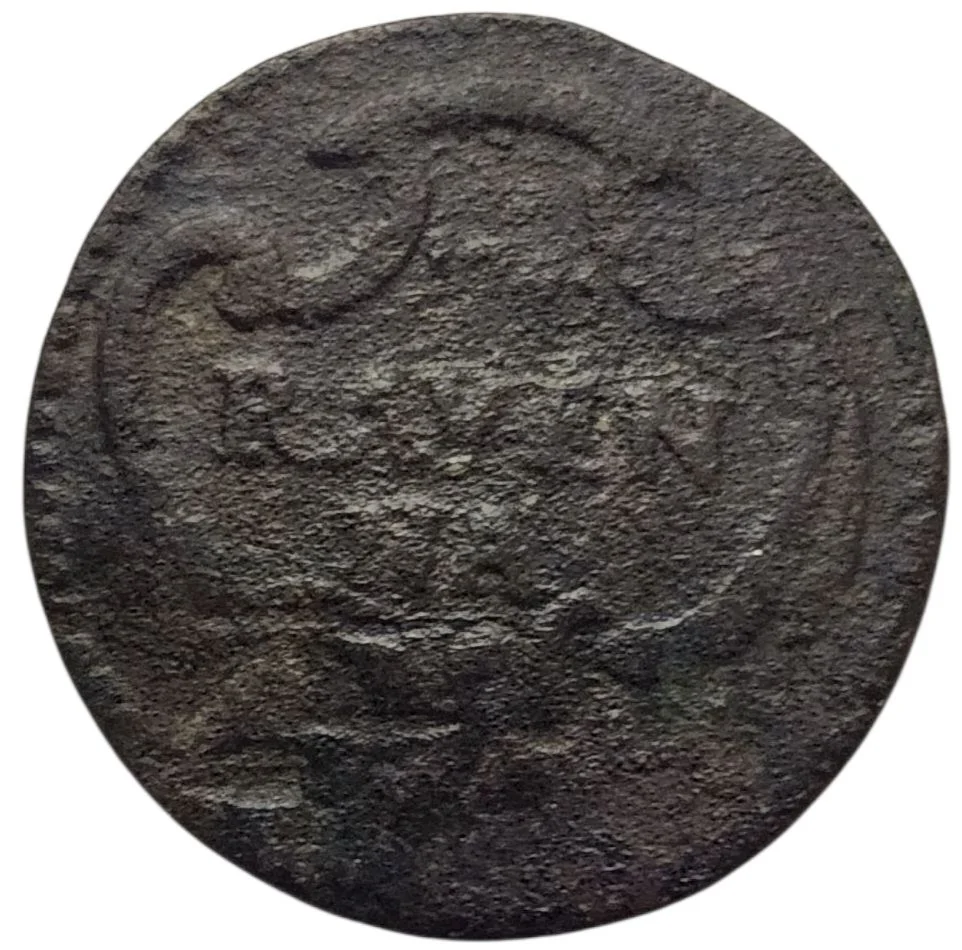
Reverse
Edge
Mints
| Name | Mark |
|---|---|
| Ravenna | — |
Mintings
| Year | Mint Mark | Mintage | Quality | Collection |
|---|---|---|---|---|
| 1745 | — | — | ||
| 1746 | — | — |
Historical background
In 1745, Ravenna, like the rest of the Papal States, operated under a complex and often chaotic monetary system. The official currency was the Papal scudo, divided into 100 baiochi, each of which was further divided into 10 quattrini. However, this official structure was more theoretical than practical. The city’s strategic location and active port meant a constant influx of foreign coins—Spanish silver reales, Venetian ducats, French louis d’or, and Austrian thalers—all circulated freely alongside local issues. The value of these coins was not fixed by a central authority but fluctuated daily based on their precious metal content and the whims of local money-changers (banchi di cambio), leading to a marketplace rife with confusion and opportunistic speculation.
This monetary fragmentation was exacerbated by the chronic shortage of small-denomination coinage needed for everyday market transactions. The Papal mint often failed to produce sufficient quattrini and baiochi, leading to severe hardship for the common people. To fill the void, various municipal authorities and even powerful local families sometimes issued low-value token coinage or moneta di necessità (necessity money), further complicating the landscape. For merchants and the growing commercial class, this environment necessitated expert assistance; transactions often required meticulous calculation and negotiation to account for the differing values and wear of dozens of coin types.
The underlying cause of this instability was the weak fiscal policy of the Papal government under Pope Benedict XIV. While the Pope was a reformer in many areas, the Papal States' treasury was perennially drained, limiting the ability to reform the coinage or enforce standards. Consequently, Ravenna’s economy in 1745 functioned on a precarious blend of official and unofficial currencies, where trust in metal content outweighed trust in stamped authority. This system inherently favored savvy merchants and money-changers while burdening the poor, creating a tangible economic tension that reflected the broader administrative challenges within the 18th-century Papal States.
This monetary fragmentation was exacerbated by the chronic shortage of small-denomination coinage needed for everyday market transactions. The Papal mint often failed to produce sufficient quattrini and baiochi, leading to severe hardship for the common people. To fill the void, various municipal authorities and even powerful local families sometimes issued low-value token coinage or moneta di necessità (necessity money), further complicating the landscape. For merchants and the growing commercial class, this environment necessitated expert assistance; transactions often required meticulous calculation and negotiation to account for the differing values and wear of dozens of coin types.
The underlying cause of this instability was the weak fiscal policy of the Papal government under Pope Benedict XIV. While the Pope was a reformer in many areas, the Papal States' treasury was perennially drained, limiting the ability to reform the coinage or enforce standards. Consequently, Ravenna’s economy in 1745 functioned on a precarious blend of official and unofficial currencies, where trust in metal content outweighed trust in stamped authority. This system inherently favored savvy merchants and money-changers while burdening the poor, creating a tangible economic tension that reflected the broader administrative challenges within the 18th-century Papal States.
✨ Legendary