

10 Kreuzers – Hungary
Hungary
Context
Years: 1755–1767
Issuer: Hungary 
Ruler: Maria Theresa
Currency:
(1754—1857)
Demonetized: Yes
Total mintage: 808,000
Material
References
KM: #Click to copy to clipboard365
Numista: #48214
Value
Bullion value: $11.24
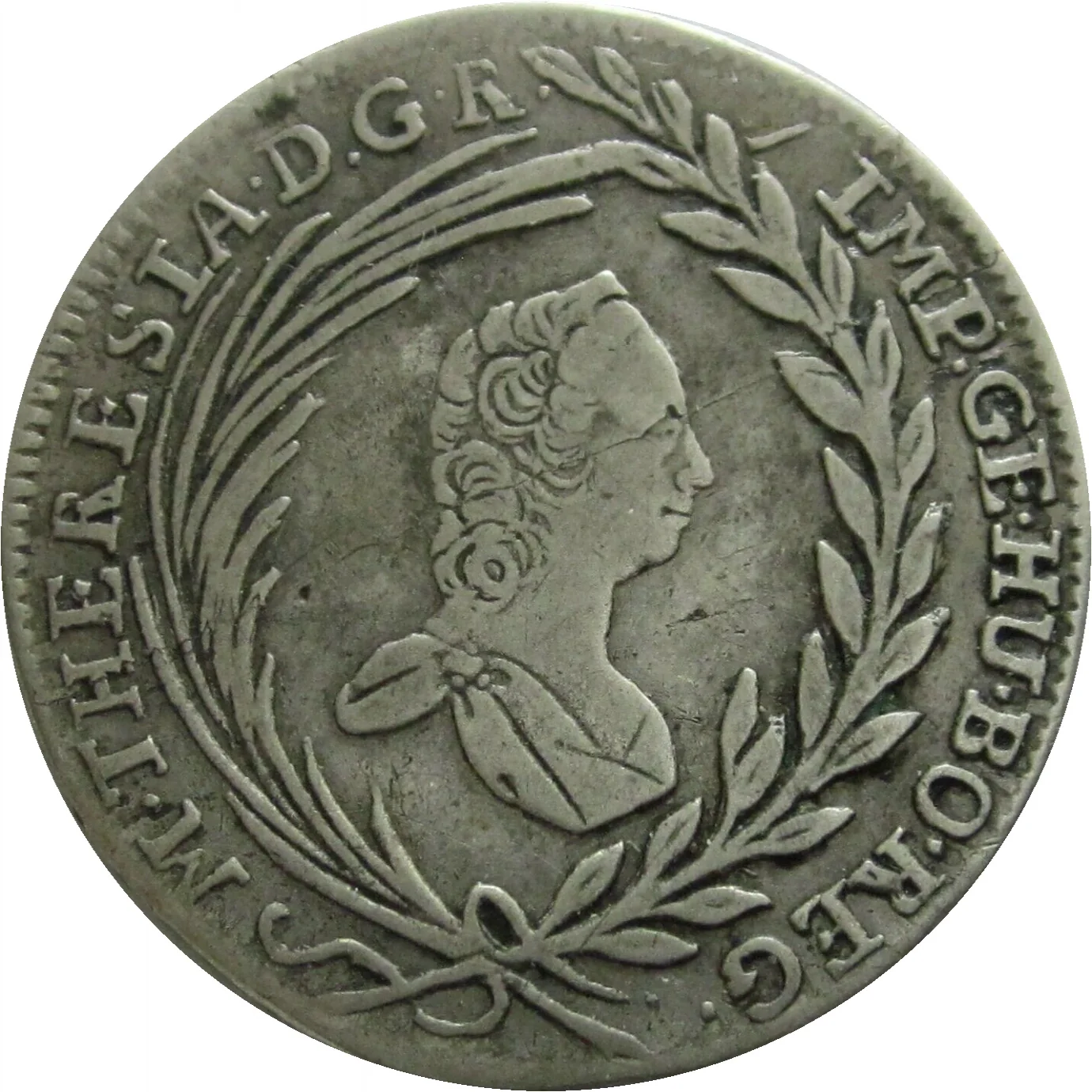
Obverse
Description:
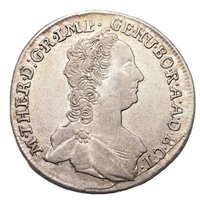
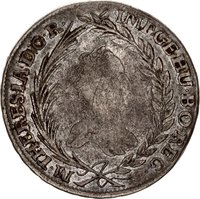
Bust between palm and laurel wreath.
Inscription:
M · THERESIA · D · G · R · IMP · GE · HU · BO · REG
Script: Latin
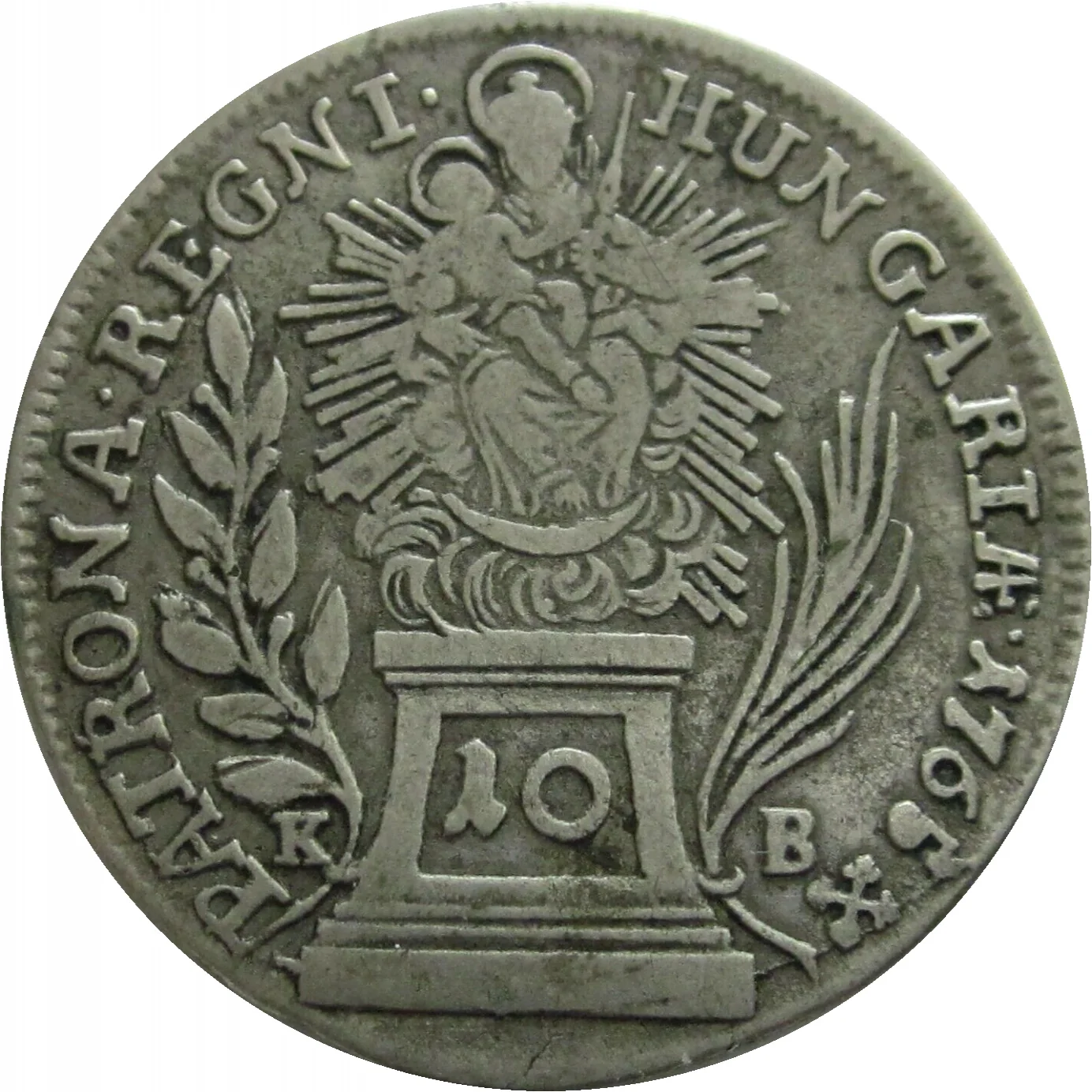
Reverse
Description:
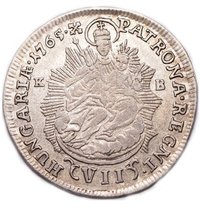
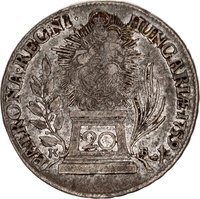
Madonna and child seated on a crescent above a pedestal containing the value and mintmark.
Inscription:
PATRONA REGNI · HUNGARIÆ · 1764 · X
10
K B
10
K B
Script: Latin
Edge
Mints
| Name | Mark |
|---|---|
| Kremnica | K B |
Mintings
| Year | Mint Mark | Mintage | Quality | Collection |
|---|---|---|---|---|
| 1755 | K | 23,000 | ||
| 1758 | K | 30,000 | ||
| 1759 | K | 17,000 | ||
| 1760 | K | — | ||
| 1764 | K | 477,000 | ||
| 1765 | K | 14,000 | ||
| 1767 | K | 247,000 |
Historical background
In 1755, the currency situation in the Kingdom of Hungary, then part of the Habsburg Monarchy, was characterized by a complex and unstable bimetallic system. The official currency was based on the silver Conventionsthaler (or Tallér), introduced across the Habsburg lands in 1753 to standardize the monetary union with the Holy Roman Empire. Alongside this, gold coins like the ducat circulated, but the value between silver and gold fluctuated, causing persistent difficulties. The system was further complicated by the continued circulation of older, debased coins and a proliferation of different regional and foreign currencies in trade, leading to confusion and inefficiency.
This monetary landscape was directly shaped by the state's chronic fiscal pressures, primarily due to the costs of maintaining a large army and the recent expenses of the War of the Austrian Succession (1740-1748). To raise revenue, the Habsburg state had a history of debasing coinage—reducing the precious metal content—which eroded public trust in the currency. Although the 1753 convention aimed to restore stability by defining fixed silver content, confidence was slow to rebuild. In practice, the disconnect between the official mint standard and the market value of precious metals often led to coins being hoarded or melted down, exacerbating shortages of sound money.
Consequently, the Hungarian economy in the mid-1750s operated with a fragile and often inadequate money supply. This instability particularly impacted trade and taxation, complicating both everyday transactions and state finances. The situation underscored the broader challenges of centralizing and modernizing the Habsburg economy, setting the stage for further, though only partially successful, reforms under Empress Maria Theresa in the following decades to try to unify and control the monetary system across her diverse realms.
This monetary landscape was directly shaped by the state's chronic fiscal pressures, primarily due to the costs of maintaining a large army and the recent expenses of the War of the Austrian Succession (1740-1748). To raise revenue, the Habsburg state had a history of debasing coinage—reducing the precious metal content—which eroded public trust in the currency. Although the 1753 convention aimed to restore stability by defining fixed silver content, confidence was slow to rebuild. In practice, the disconnect between the official mint standard and the market value of precious metals often led to coins being hoarded or melted down, exacerbating shortages of sound money.
Consequently, the Hungarian economy in the mid-1750s operated with a fragile and often inadequate money supply. This instability particularly impacted trade and taxation, complicating both everyday transactions and state finances. The situation underscored the broader challenges of centralizing and modernizing the Habsburg economy, setting the stage for further, though only partially successful, reforms under Empress Maria Theresa in the following decades to try to unify and control the monetary system across her diverse realms.
💎 Very Rare