

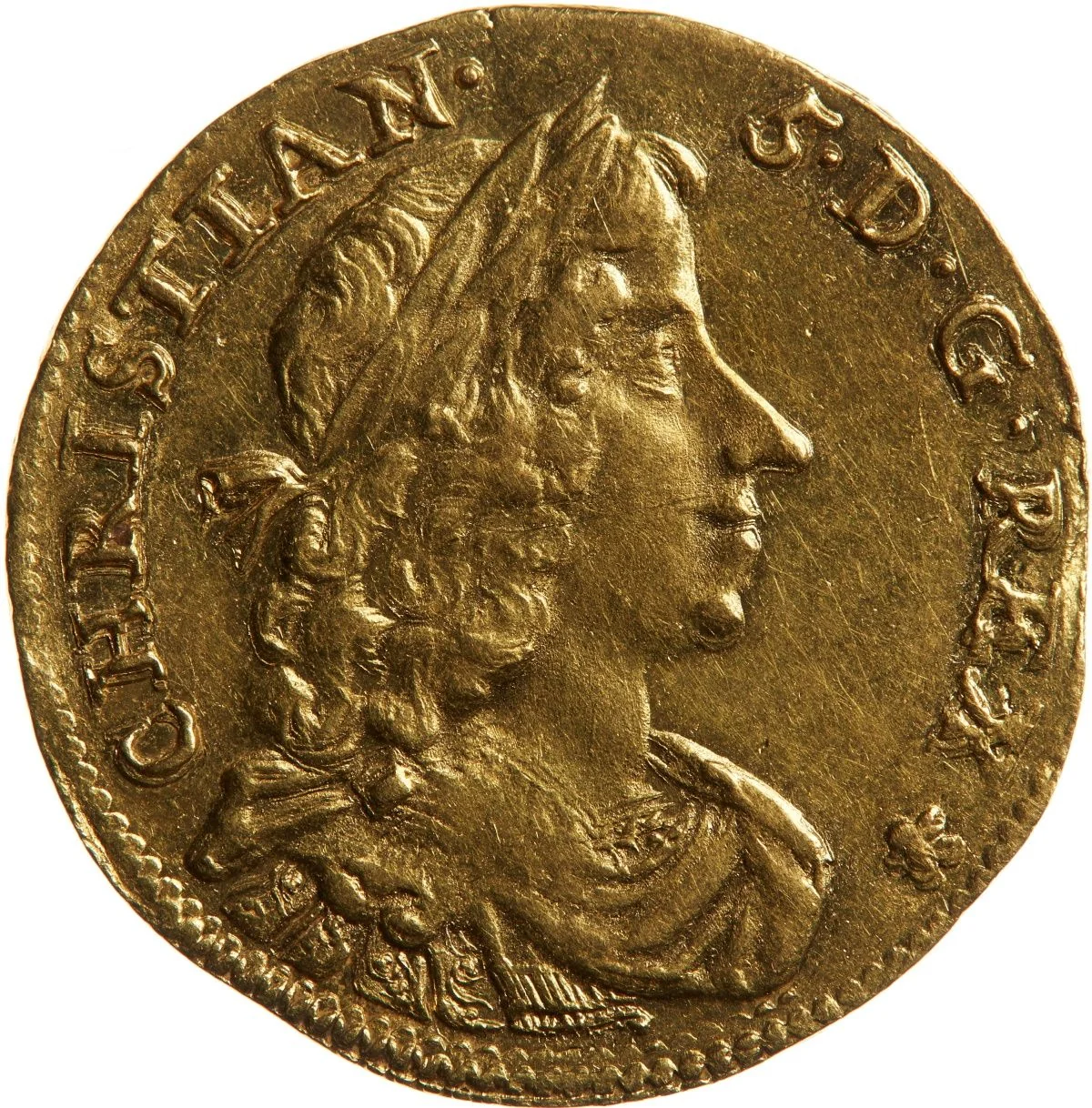
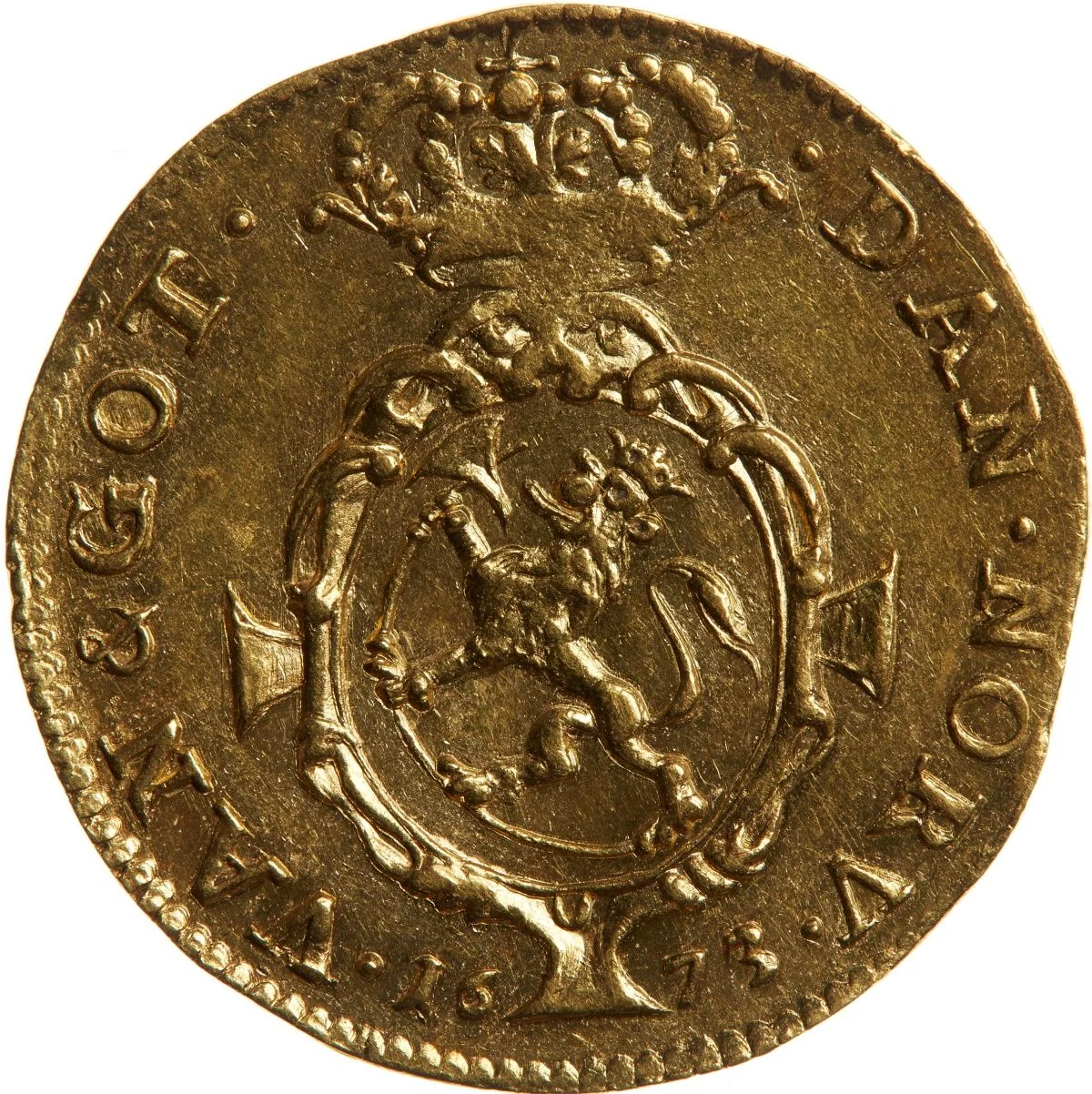
1 Ducat – Norway
Norway
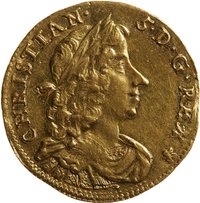
Obverse
Description:
Bust of King Christian V with laurel wreath and long hair, facing right, encircled by an inscription. Rim with beaded ring.
Inscription:
CHRISTIAN· 5·D·G·REX ✿
Script: Latin
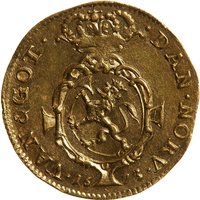
Reverse
Description:
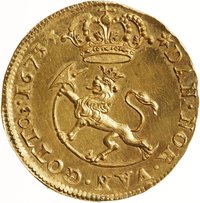
Norwegian lion with axe in crowned oval shield on a cross, inscription around, date flanking shield, beaded rim.
Inscription:
·DAN·NORV VAN&GOT·
·16 73·
·16 73·
Script: Latin
Edge
Mints
| Name | Mark |
|---|---|
| Christiania | — |
Mintings
| Year | Mint Mark | Mintage | Quality | Collection |
|---|---|---|---|---|
| 1673 | — | — |
Historical background
In 1673, Norway was part of the dual monarchy of Denmark-Norway, and its currency system was under the direct control of the Danish crown in Copenhagen. The primary circulating coin was the silver riksdaler, but the monetary landscape was chaotic and problematic. A severe shortage of small-change coins crippled everyday commerce, forcing many communities to use primitive forms of money like klippemynt (clipped coins) and even commodity substitutes such as butter and dried fish in local trade.
This instability was exacerbated by the broader European "Kipper und Wipper" crisis of the early 17th century, which had left a legacy of debased and irregular coins. Furthermore, Denmark-Norway was engaged in the Scanian War (1675–1679) against Sweden, a conflict that placed enormous financial strain on the state. In anticipation of war expenses, the government had begun to deliberately debase the currency, reducing the silver content in newly minted coins to generate more revenue, which further eroded public trust in the monetary system.
Consequently, 1673 represents a point of significant monetary stress within a longer period of decline. The currency was losing its intrinsic value, the economy was hampered by a lack of functional small coinage, and the state's fiscal policies were prioritizing wartime financing over monetary stability. This situation would eventually lead to a major monetary reform in 1695, when a new system based on the riksdaler spesidaler was introduced in an attempt to restore order and confidence.
This instability was exacerbated by the broader European "Kipper und Wipper" crisis of the early 17th century, which had left a legacy of debased and irregular coins. Furthermore, Denmark-Norway was engaged in the Scanian War (1675–1679) against Sweden, a conflict that placed enormous financial strain on the state. In anticipation of war expenses, the government had begun to deliberately debase the currency, reducing the silver content in newly minted coins to generate more revenue, which further eroded public trust in the monetary system.
Consequently, 1673 represents a point of significant monetary stress within a longer period of decline. The currency was losing its intrinsic value, the economy was hampered by a lack of functional small coinage, and the state's fiscal policies were prioritizing wartime financing over monetary stability. This situation would eventually lead to a major monetary reform in 1695, when a new system based on the riksdaler spesidaler was introduced in an attempt to restore order and confidence.
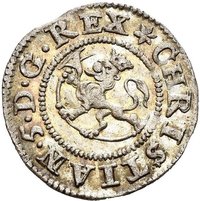
Series: 1673 Norway circulation coins

✨ Legendary