

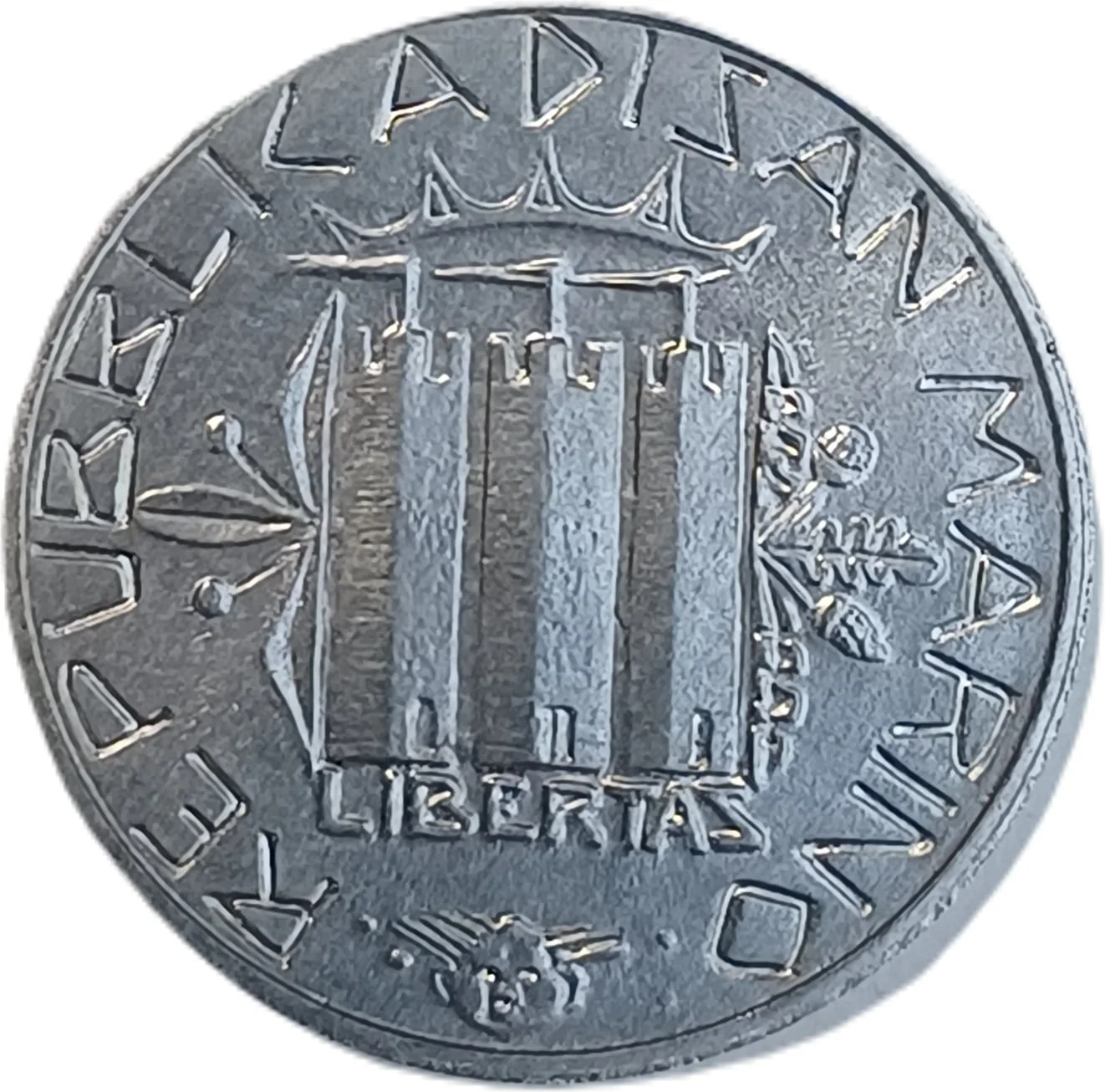
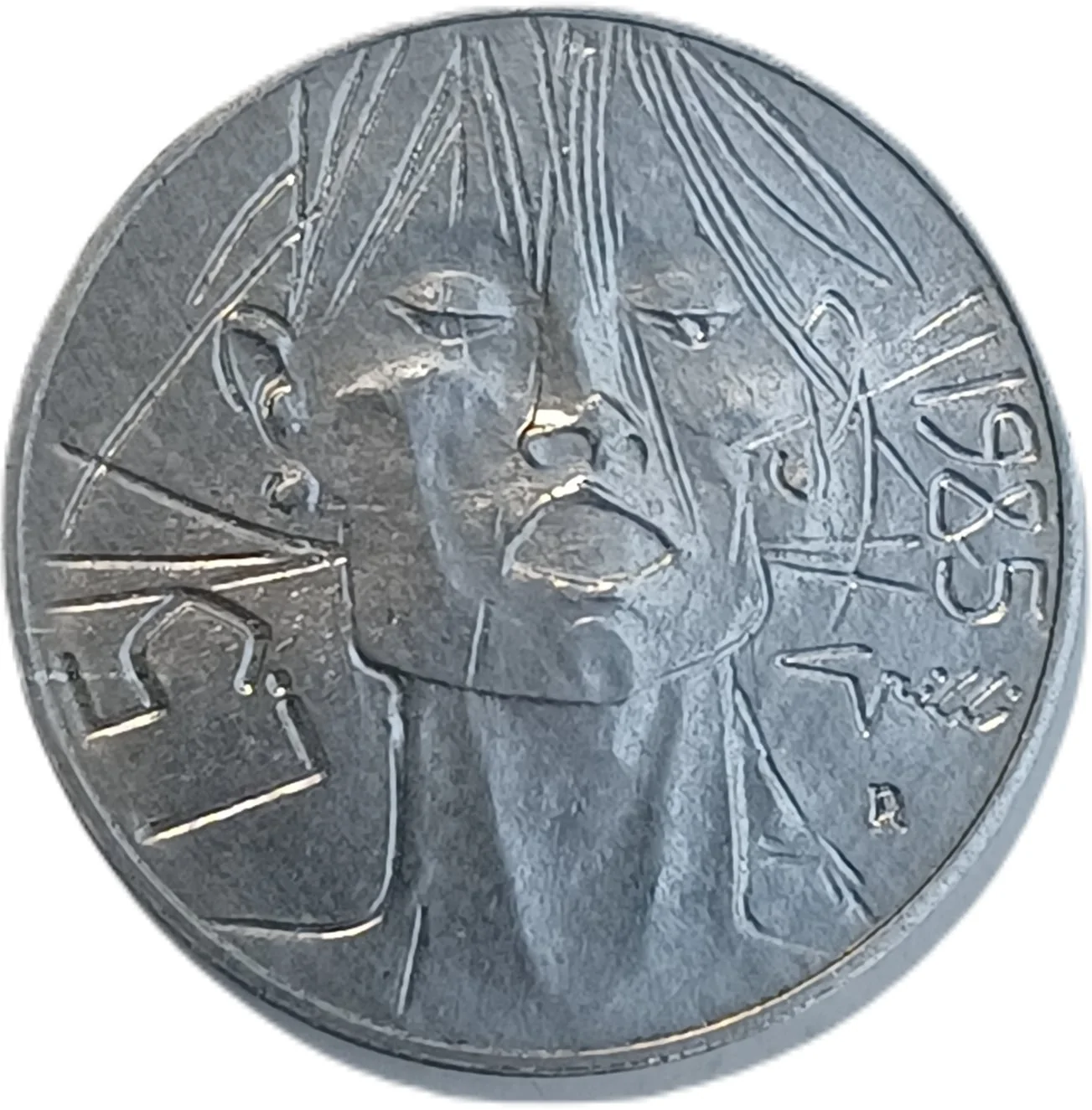
5 lire – San Marino
Add to wishlist
San Marino
Context
Year: 1985
Issuer: San Marino
Period:
(since 301)
Currency:
(1864—2001)
Demonetized: Yes
Total mintage: 60,000
Material
References
KM: #
Numista: #11871
Value
Exchange value: 5 SML
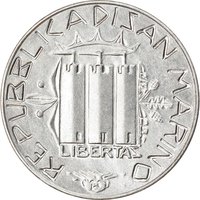
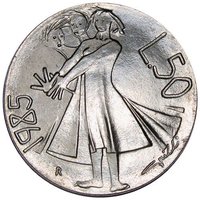
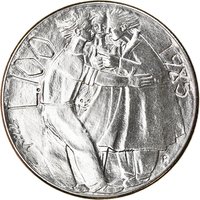
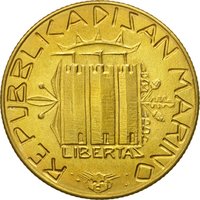
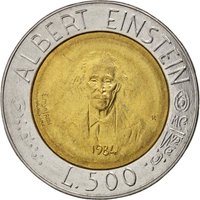
Obverse
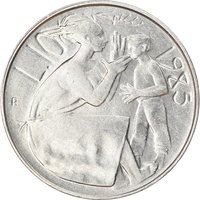
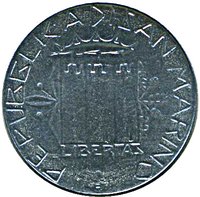
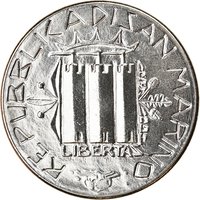
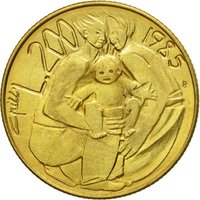
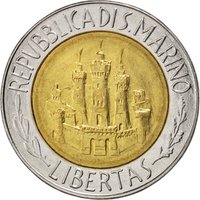
Reverse
Edge
Plain
Mints
| Name | Mark |
|---|---|
| Rome | R |
Mintings
| Year | Mint Mark | Mintage | Quality | Collection |
|---|---|---|---|---|
| 1985 | R | 60,000 | In sets |
Historical background
In 1985, San Marino's currency situation was fundamentally defined by its long-standing and exclusive use of the Italian Lira. As a microstate completely surrounded by Italy, San Marino operated under a series of monetary agreements with its larger neighbor, the most recent being the 1939 Convention. This treaty obligated San Marino to conform its monetary system to that of Italy, meaning the Lira was the sole legal tender for all daily transactions, banking, and commerce. While the republic enjoyed the right to mint its own limited-edition San Marino Lira coins for collectors, these were not intended for general circulation and held no independent monetary policy value.
Economically, this arrangement provided immense stability but also meant San Marino had no control over its own monetary policy, interest rates, or money supply. The republic was effectively tethered to the economic conditions and inflationary trends of Italy, which in the mid-1980s was a period of moderate growth but also significant public debt. For San Marino's key industries of tourism, ceramics, and banking, the fixed currency link facilitated seamless trade with Italy, its dominant partner, but also made the economy vulnerable to the Bank of Italy's decisions and any fluctuations in the Lira's international value.
Looking ahead, 1985 was a quiet year within this stable framework, but it was the calm before a significant change. The discussions and treaties leading to the European Monetary Union were gaining momentum. Within a decade, San Marino would begin negotiating a new relationship, not with Italy alone, but with the emerging European Union, to secure the right to use the future single European currency. Thus, the 1985 currency situation, while seemingly static, was the final chapter of a bilateral monetary dependency that would soon evolve toward a multilateral agreement with the Euro.
Economically, this arrangement provided immense stability but also meant San Marino had no control over its own monetary policy, interest rates, or money supply. The republic was effectively tethered to the economic conditions and inflationary trends of Italy, which in the mid-1980s was a period of moderate growth but also significant public debt. For San Marino's key industries of tourism, ceramics, and banking, the fixed currency link facilitated seamless trade with Italy, its dominant partner, but also made the economy vulnerable to the Bank of Italy's decisions and any fluctuations in the Lira's international value.
Looking ahead, 1985 was a quiet year within this stable framework, but it was the calm before a significant change. The discussions and treaties leading to the European Monetary Union were gaining momentum. Within a decade, San Marino would begin negotiating a new relationship, not with Italy alone, but with the emerging European Union, to secure the right to use the future single European currency. Thus, the 1985 currency situation, while seemingly static, was the final chapter of a bilateral monetary dependency that would soon evolve toward a multilateral agreement with the Euro.
Series: Struggle against Drug Abuse
🌱 Fairly Common