

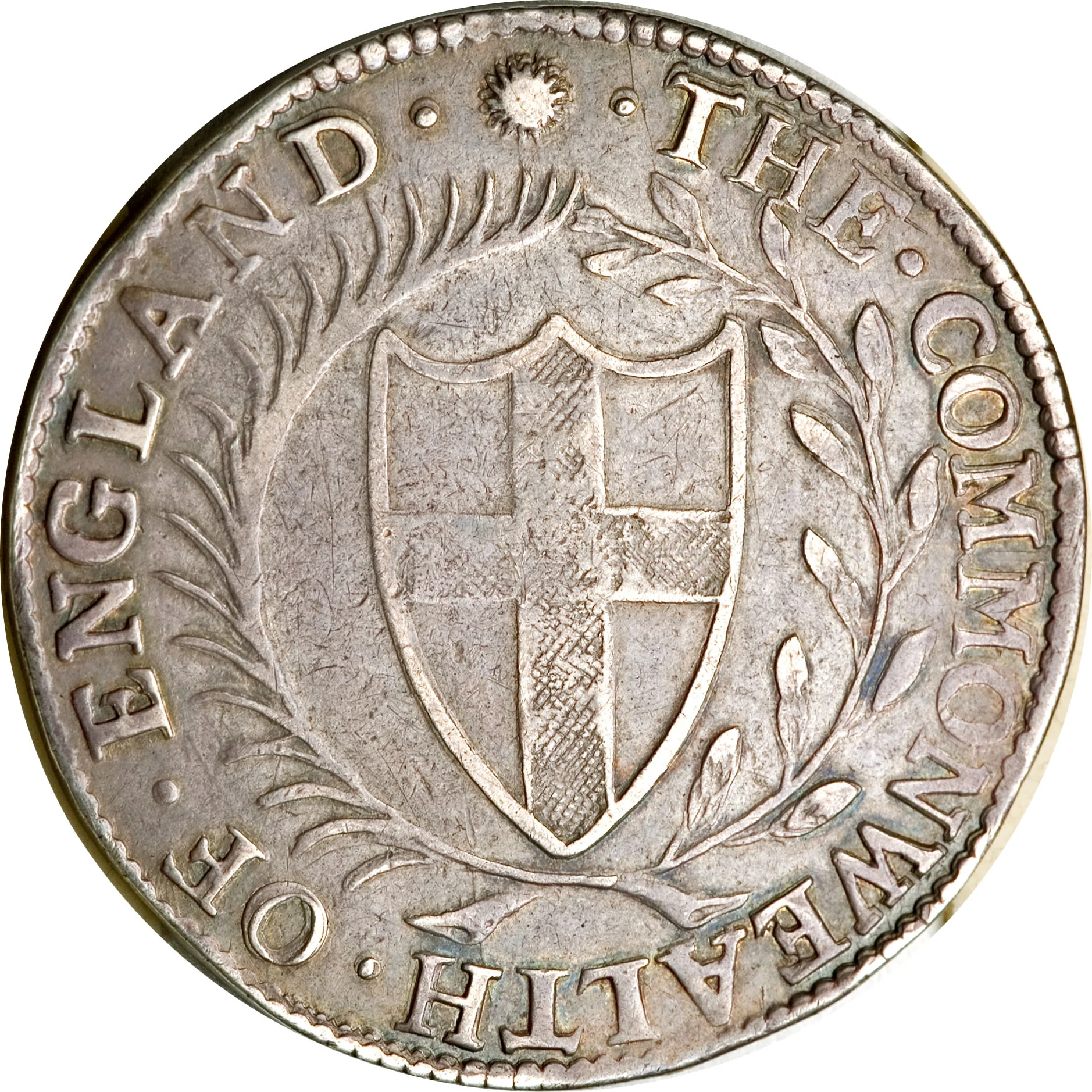
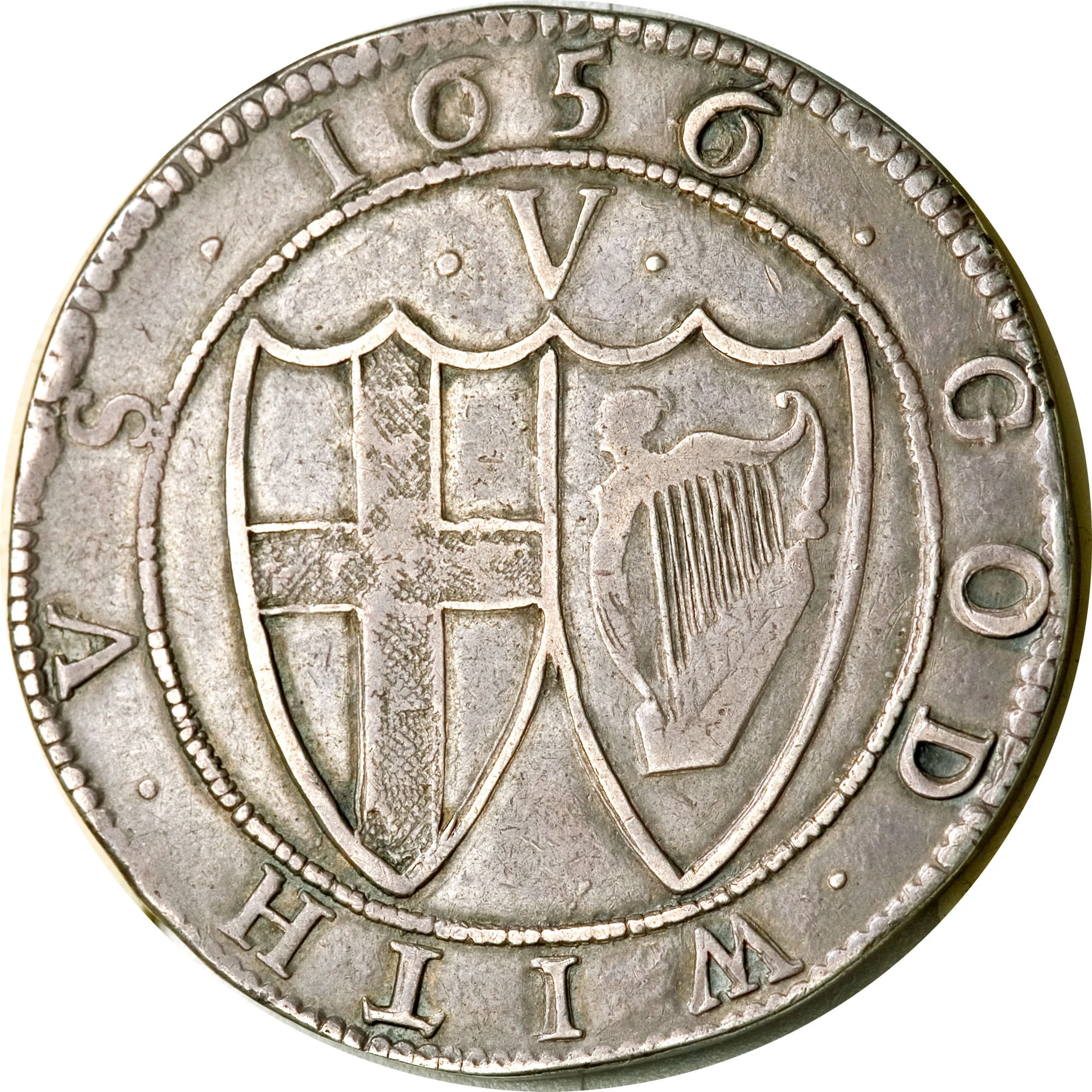
1 crown – England
Add to wishlist
United Kingdom
Context
Years: 1649–1656
Country: United Kingdom
Issuer: England
Period:
(1649—1660)
Currency:
(1158—1970)
Demonetized: Yes
Material
References
KM: #
Numista: #11611
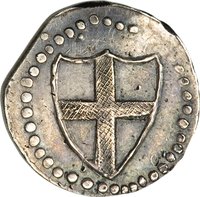
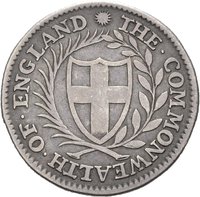
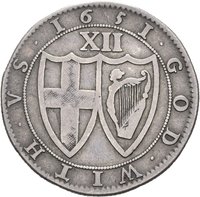
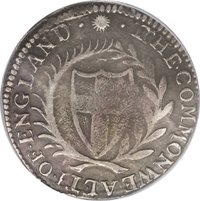
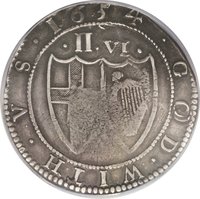
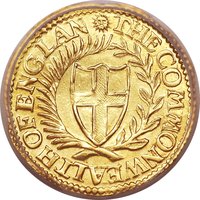
Obverse
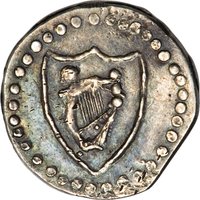
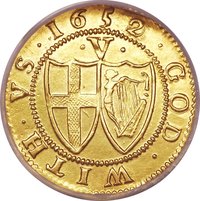
Reverse
Edge
Mintings
| Year | Mint Mark | Mintage | Quality | Collection |
|---|---|---|---|---|
| 1649 | — | — | ||
| 1651 | — | — | ||
| 1652 | — | — | ||
| 1653 | — | — | ||
| 1654 | — | — | ||
| 1656 | — | — |
Historical background
In 1649, England's currency was in a state of profound crisis, a direct consequence of the devastating Civil War that had just concluded with the execution of King Charles I. The conflict had drained the nation's wealth, disrupted trade, and severely damaged confidence in the monetary system. The most pressing issue was the widespread debasement and physical deterioration of the silver coinage in circulation. Centuries of wear and tear, combined with illegal "clipping" (shaving metal from the edges of coins), had reduced the actual silver content of coins far below their face value, leading to rampant inflation and economic instability.
The government, now a republic under the Commonwealth, faced a severe shortage of sound money. While the mint continued to produce coins, the high cost of silver bullion meant it was more profitable for merchants and speculators to hoard or export metal than to bring it to the Tower of London to be minted into underweight coins. This created a vicious cycle where good money was driven out by bad, a phenomenon described by Gresham's Law. The state's finances were also crippled by massive war debts, forcing it to rely on expedients like selling confiscated Crown and Church lands and imposing unpopular taxes, which did little to solve the fundamental monetary problem.
Consequently, the currency situation was a chaotic mix of clipped and worn silver coins, older hammer-struck pieces, and a variety of foreign currencies used in trade. There was widespread recognition that a complete recoinage was essential to restore economic credibility, but the immense cost and technical complexity delayed decisive action. It would not be until the 1690s, following further crises, that a full recoinage under the guidance of figures like Isaac Newton would finally stabilize England's silver currency, laying the groundwork for the financial revolution that followed.
The government, now a republic under the Commonwealth, faced a severe shortage of sound money. While the mint continued to produce coins, the high cost of silver bullion meant it was more profitable for merchants and speculators to hoard or export metal than to bring it to the Tower of London to be minted into underweight coins. This created a vicious cycle where good money was driven out by bad, a phenomenon described by Gresham's Law. The state's finances were also crippled by massive war debts, forcing it to rely on expedients like selling confiscated Crown and Church lands and imposing unpopular taxes, which did little to solve the fundamental monetary problem.
Consequently, the currency situation was a chaotic mix of clipped and worn silver coins, older hammer-struck pieces, and a variety of foreign currencies used in trade. There was widespread recognition that a complete recoinage was essential to restore economic credibility, but the immense cost and technical complexity delayed decisive action. It would not be until the 1690s, following further crises, that a full recoinage under the guidance of figures like Isaac Newton would finally stabilize England's silver currency, laying the groundwork for the financial revolution that followed.
Series: 1649 England circulation coins
✨ Legendary