Logo Title
obverse
reverse
Auktionen Frühwald
Context
Year: 1668
Country: Austria Country flag
Currency:
Demonetized: Yes
Material
Diameter: 40 mm
Weight: 28 g
Gold weight: 27.61 g
Shape: Round
Composition: 98.6% Gold
Magnetic: No
References
KM: #Click to copy to clipboard202
Numista: #479342
Value
Bullion value: $4614.54

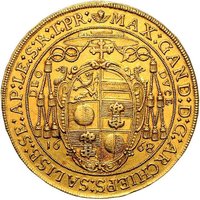
Obverse

Description:
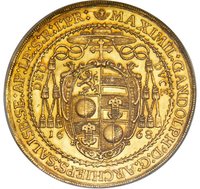
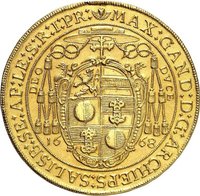
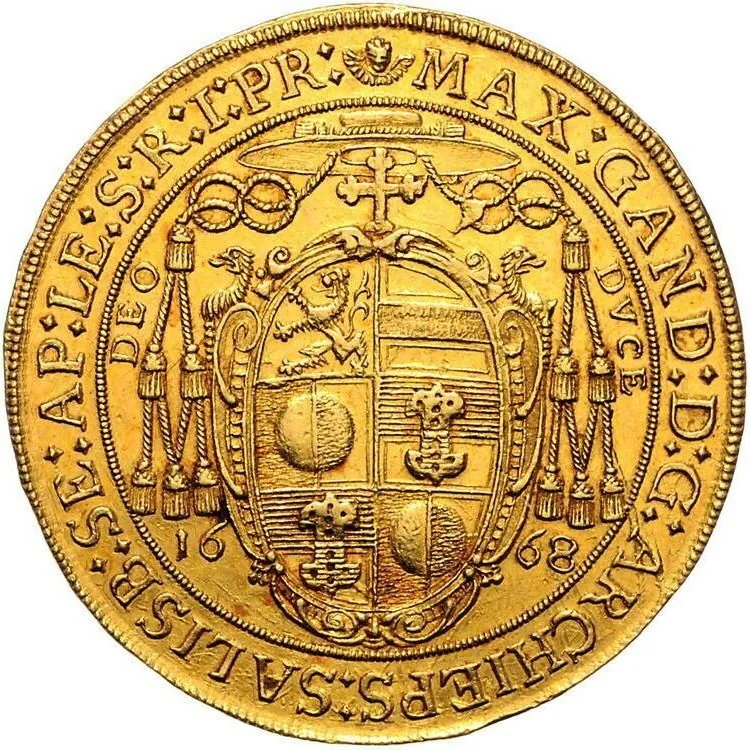
An oval shield with arms, topped by a hat and bishop's regalia, within a beaded circle.
Inscription:
⁕ MAX : GAND : D : G : ARCHIEPS : SALISB: SE : AP : LE : S : R : I : PR :

DEO DVCE

16 68
Script: Latin

Reverse

Description:
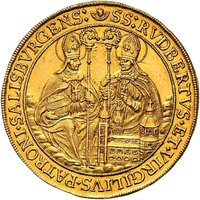
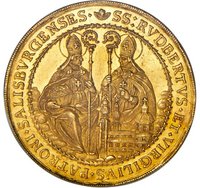
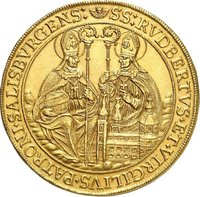
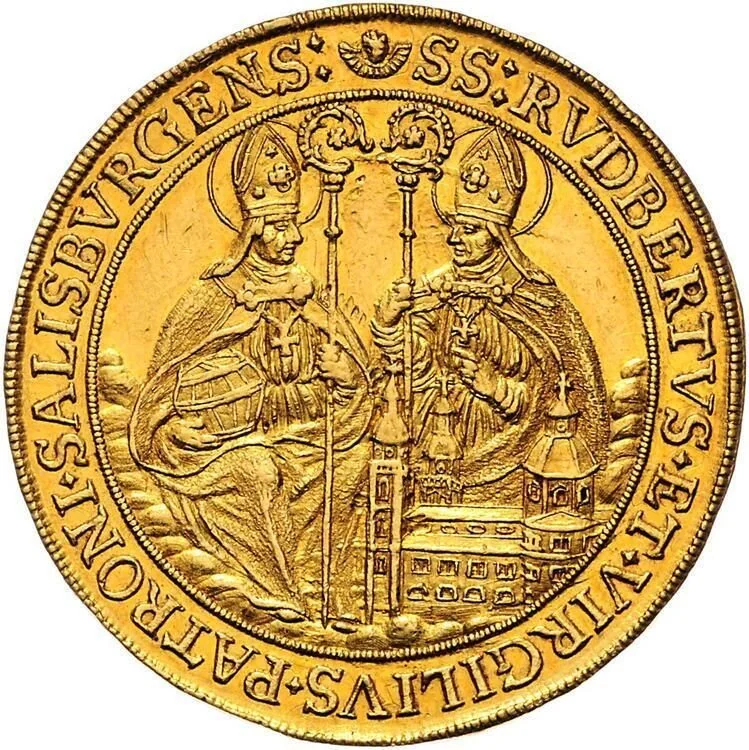
Saints Rupertus (left, with salt box) and Virgilius (right, with cathedral) seated facing each other, holding crosiers. Beaded inner circle.
Inscription:
⁕ SS : RVDBERTVS · ET · VIRGILIUVS · PATRONI · SALISBVRGENS :
Script: Latin

Edge

Mintings

YearMint MarkMintageQualityCollection
1668

Historical background

In 1668, the currency situation within the Prince-Archbishopric of Salzburg was characterized by instability and the complex interplay of regional monetary systems. As an independent ecclesiastical state within the Holy Roman Empire, Salzburg minted its own coinage, most notably the silver Gulden and smaller Kreuzer. However, its monetary landscape was deeply influenced by the wider German monetary sphere, particularly the influx of large, high-quality silver coins like the Reichsthaler from the Imperial minting ordinances. The primary challenge was maintaining a stable relationship between these larger "specie" coins used for foreign trade and the smaller, often debased, fractional coins used in everyday local commerce.

This period fell under the reign of Prince-Archbishop Maximilian Gandolf von Kuenburg (1668–1687), whose administration inherited ongoing monetary pressures. The Thirty Years' War (1618–1648) had left a legacy of currency debasement and inflation across Central Europe, as rulers manipulated coinage to finance debts. While Salzburg had suffered less direct devastation than northern German states, it still faced the economic aftermath. The bishopric's authorities had to constantly guard against the circulation of underweight or counterfeit coins from neighboring territories, which could drive good money out of circulation (Gresham's Law) and disrupt local markets.

Consequently, the monetary policy in 1668 would have focused on regulation and control. Officials enforced published exchange rates (Münztarife) between different coin types at markets and toll stations, attempting to fix the value of the Salzburg Gulden against the Reichsthaler. The aim was to ensure sufficient small change for daily transactions while preserving the integrity of the currency for external trade, a balancing act that required constant vigilance against economic forces beyond the small alpine state's full control.

Series: 1668 Bishopric of Salzburg circulation coins

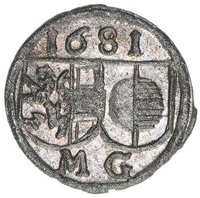
1 Pfennig obverse
1 Pfennig reverse
1 Pfennig
1668-1687
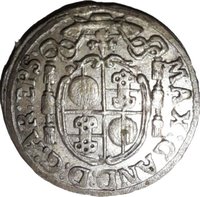
1 Kreuzer obverse
1 Kreuzer reverse
1 Kreuzer
1668-1686
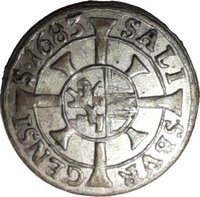
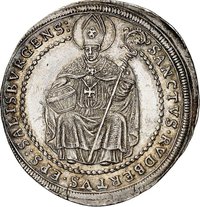
½ Thaler - ½ Guldiner obverse
½ Thaler - ½ Guldiner reverse
½ Thaler - ½ Guldiner
1668
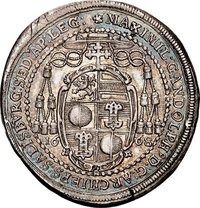
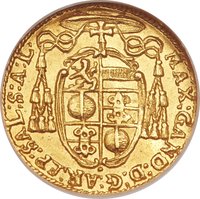
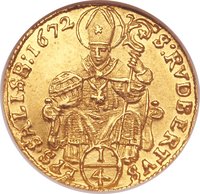
¼ Ducat obverse
¼ Ducat reverse
¼ Ducat
1668-1686
8 Ducats obverse
8 Ducats reverse
8 Ducats
1668
8 Ducats obverse
8 Ducats reverse
8 Ducats
1668
10 Ducats obverse
10 Ducats reverse
10 Ducats
1668
Legendary