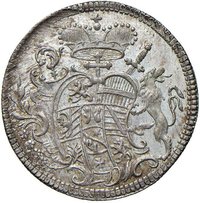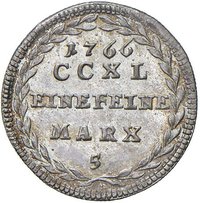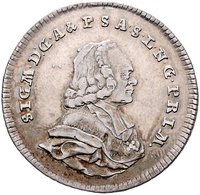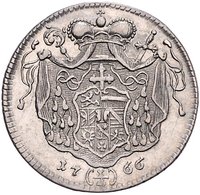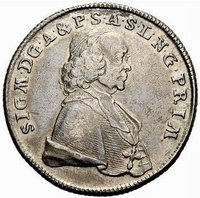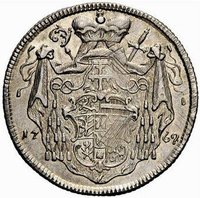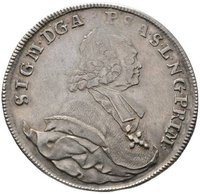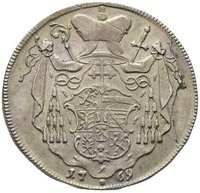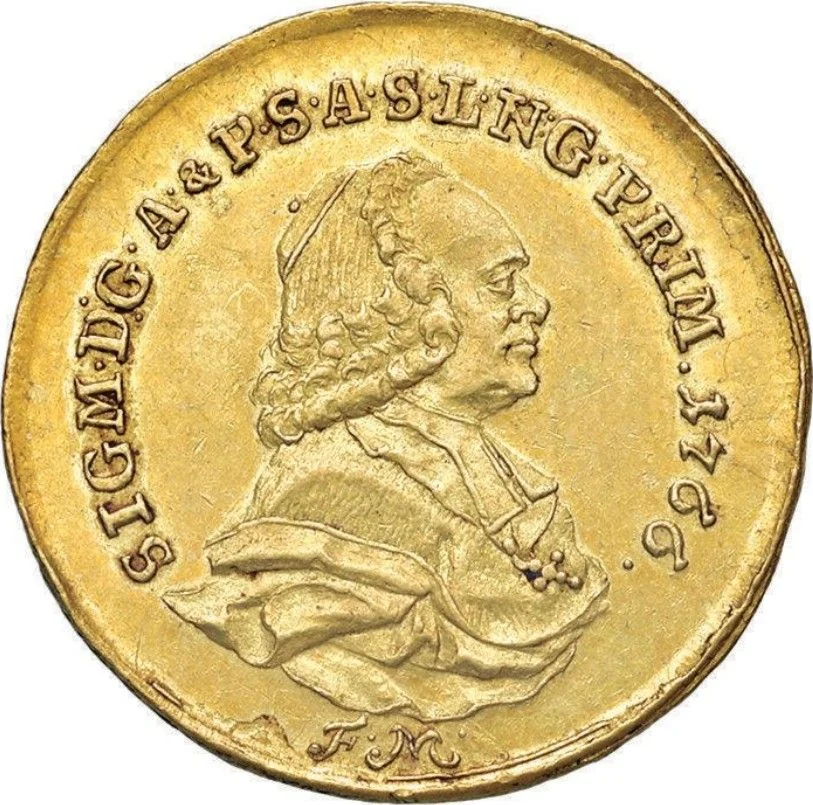
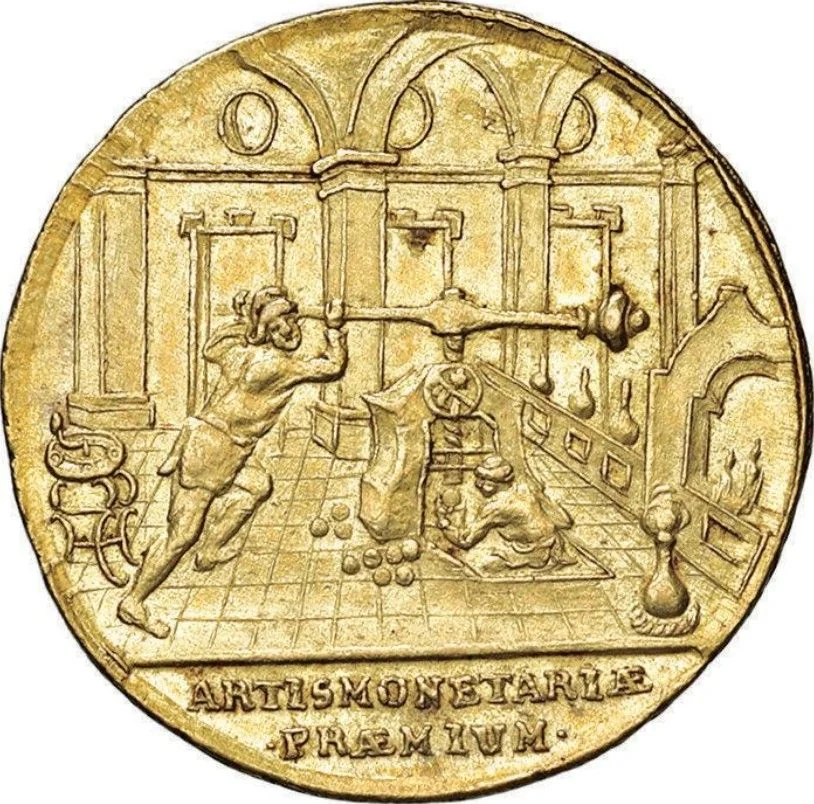
In 1766, the Bishopric of Salzburg operated within the complex monetary landscape of the Holy Roman Empire, where currency issuance was a regalian right shared among numerous secular and ecclesiastical states. Salzburg itself minted its own coins, most notably the
Salzburg Gulden, which was subdivided into 60 Kreuzer. However, the circulation was dominated by a multitude of foreign coins, particularly those from neighboring Bavaria and the Habsburg Empire, leading to chronic issues with valuation and exchange. This monetary fragmentation necessitated frequent publication of official exchange rate tables (
Münztafeln) to guide commerce, as the intrinsic silver content of coins from different mints varied significantly.
The period was marked by economic strain and deliberate currency debasement. Under the rule of Prince-Archbishop Sigismund III Christoph von Schrattenbach (ruled 1753-1771), the bishopric, like many German states, engaged in the practice of reducing the precious metal content in its coinage to generate seigniorage revenue. This was largely driven by the immense financial burdens left by the Seven Years' War (1756-1763) and the need to fund lavish Baroque building projects. Consequently, the value of Salzburg's currency was unstable, eroding public trust and causing inflationary pressures that disproportionately affected the lower and middle classes.
Efforts at reform were hesitant and limited. While the Prince-Archbishop's administration was aware of the problems, comprehensive monetary reform within a single small territory was nearly impossible without broader imperial coordination. The situation in 1766 was thus one of managed disorder, with authorities attempting to control a circulating medium of heterogeneous and debased coins through regulation. True stability would only begin to emerge decades later with the sweeping reforms following the secularization of Salzburg in 1803 and its subsequent incorporation into the Austrian monetary system.