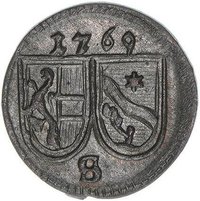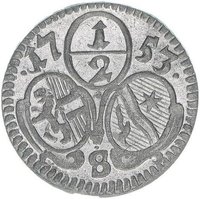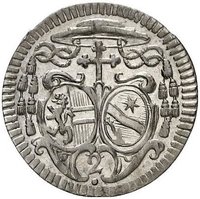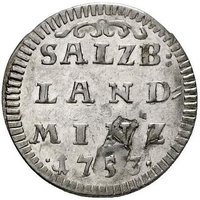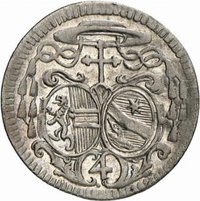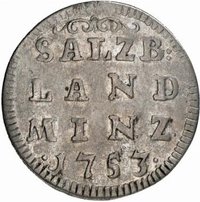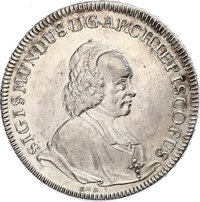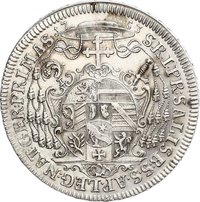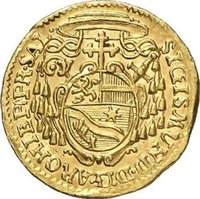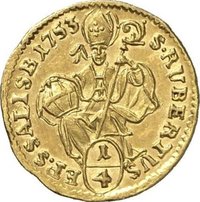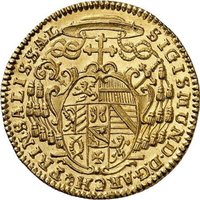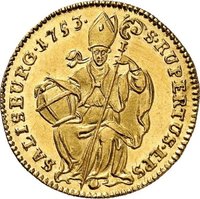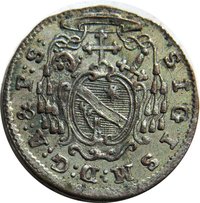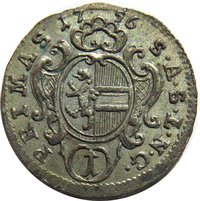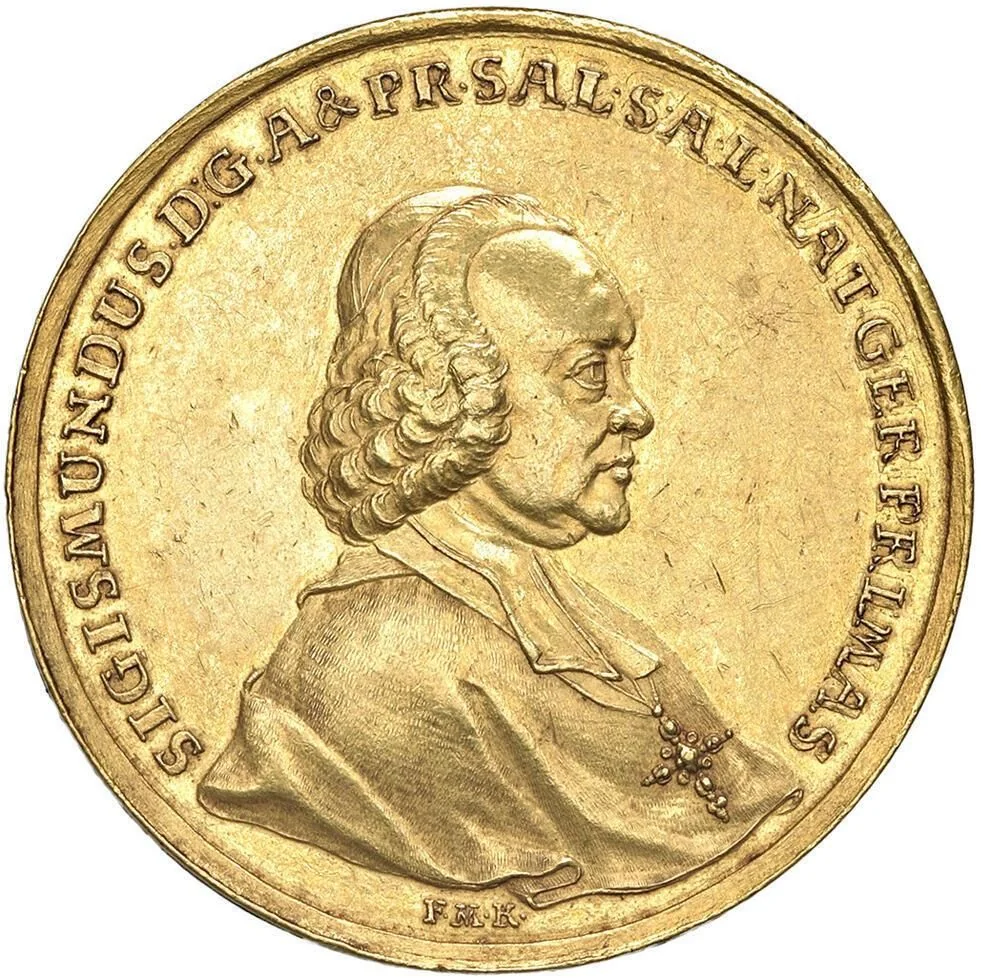
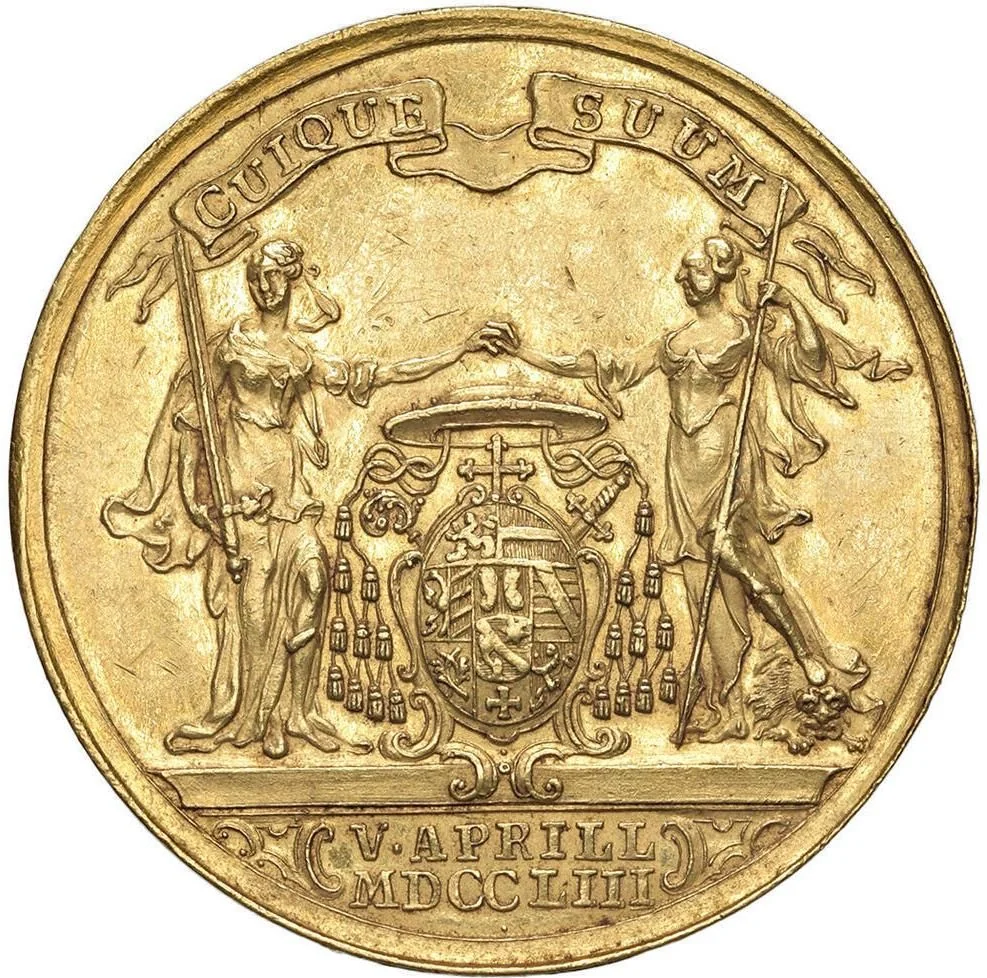
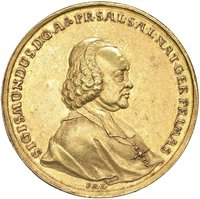
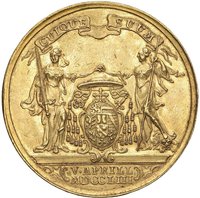
In 1753, the Prince-Archbishopric of Salzburg was navigating a complex and fragmented monetary landscape typical of the Holy Roman Empire. The territory did not operate in isolation but was integrated into a network of regional monetary systems. Salzburg's currency was officially aligned with the
Reichsthaler (Imperial Thaler) as mandated by imperial ordinances, but in daily trade, the more commonly used unit was the
Gulden (florin), which was subdivided into
Kreuzer. The precise exchange between these units was often subject to local interpretation and fluctuation, leading to a degree of monetary confusion.
The primary challenge stemmed from the proliferation of different coinages in circulation. Alongside Salzburg's own issued coins—struck at its historic mint—there was a significant influx of foreign currency from neighboring and trading states like Bavaria, Austria, and the Italian territories. These coins, of varying silver content and weight, created a chronic problem of debasement and eroded public trust. Archbishop Sigismund III von Schrattenbach, who reigned from 1753 to 1771, inherited this unstable situation, where the face value of coins often exceeded their intrinsic metal value, encouraging hoarding of good currency and hampering commerce.
While the year 1753 itself was not marked by a major monetary reform under the newly ascended archbishop, it fell within a period of ongoing administrative effort to assert control. The government's focus was on regulating and standardizing the coinage to protect the principality's fiscal integrity. This involved attempts to enforce official exchange rates, curb the circulation of the most debased foreign coins, and maintain the reputation of Salzburg's own mint output, all in an effort to stabilize the economy of the independent ecclesiastical state.