

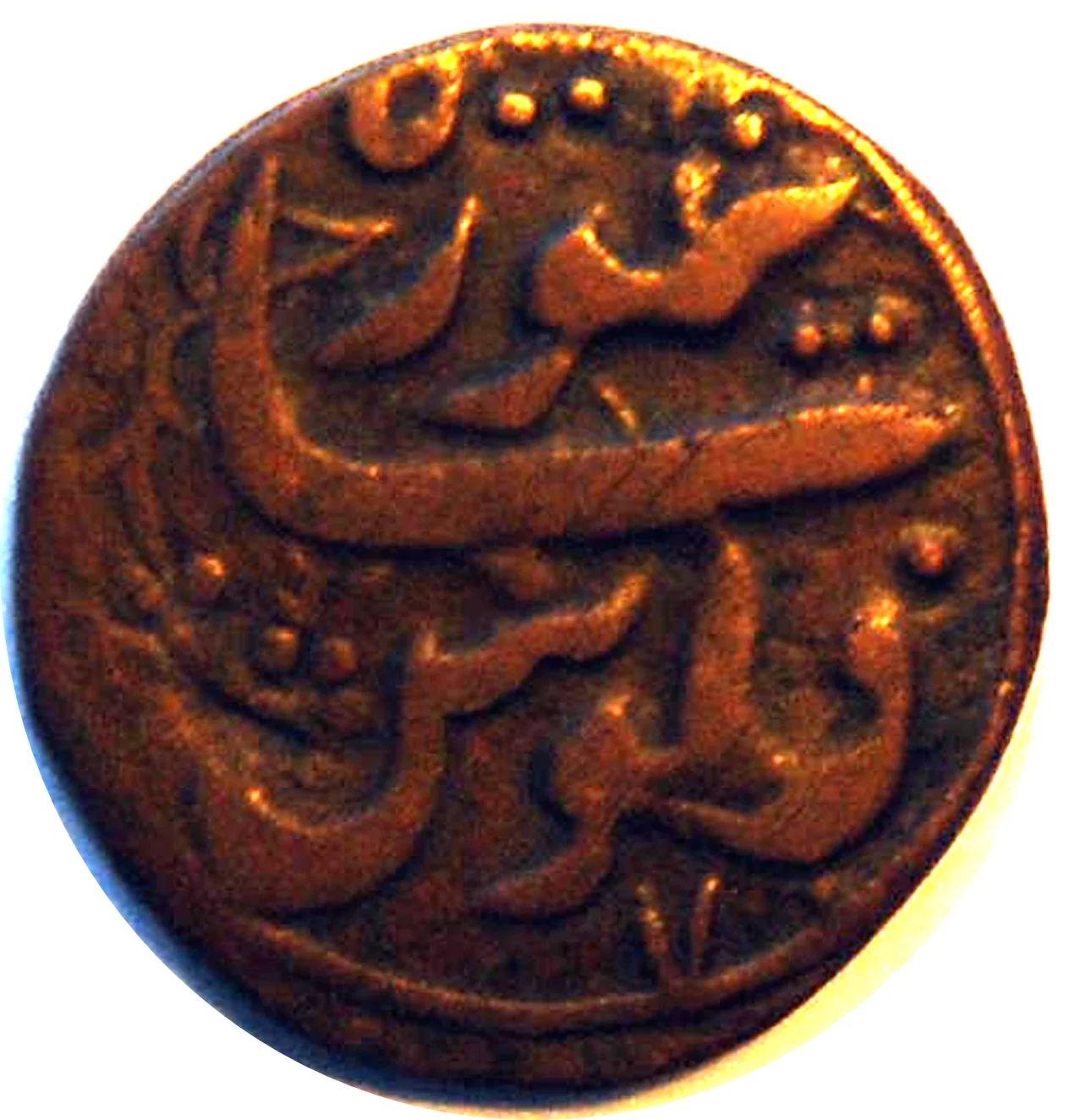
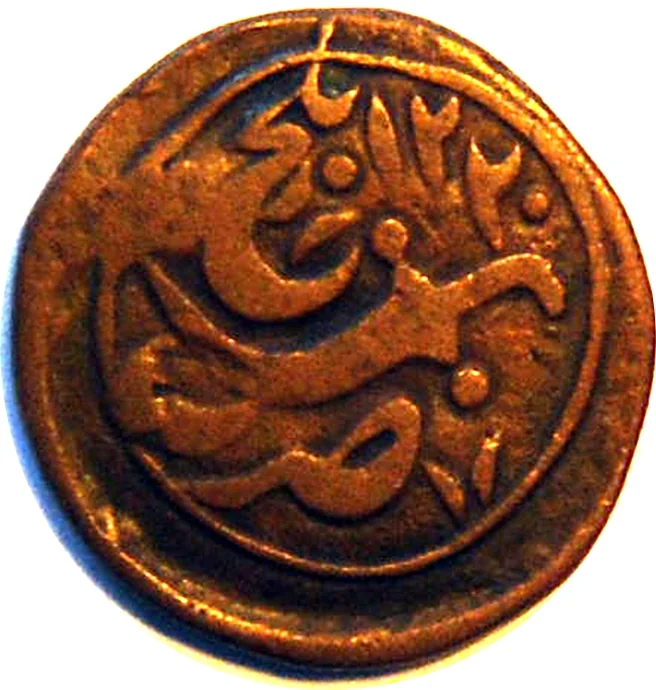
1 Falus – Afghanistan
Afghanistan
Context

Material
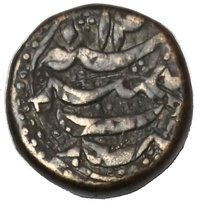
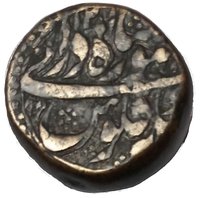
Diameter: 24 mm
Weight: 8.26 g
Thickness: 2.5 mm
Shape: Irregular round
Composition: Copper
Magnetic: No
Alignment: Coin alignment
flip
References
KM: #Click to copy to clipboard270
Numista: #47651
Mints
| Name | Mark |
|---|---|
| Balkh | — |
Mintings
| Year | Mint Mark | Mintage | Quality | Collection |
|---|---|---|---|---|
| 1783 | — | — | ||
| 1788 | — | — | ||
| 1791 | — | — | ||
| 1792 | — | — |
Historical background
In 1783, the currency situation in Afghanistan was characterized by fragmentation and the legacy of imperial conquest, as the region was not yet a unified state. The Durrani Empire, founded by Ahmad Shah Durrani in 1747, was the dominant power, but its monetary system was a complex tapestry. The primary circulating coins were the Durrani silver rupee and the gold mohur, minted in major cities like Kabul, Kandahar, and Peshawar. However, the empire's vast and diverse territories, stretching from eastern Persia to northern India, meant that a plethora of older Mughal, Safavid, and regional tribal coins also remained in active use, leading to a lack of standardized value.
This monetary heterogeneity was exacerbated by the empire's economic foundation, which relied heavily on the spoils of annual campaigns into India. By the 1780s, following the death of Ahmad Shah in 1772, this source of bullion was diminishing under his less capable successor, Timur Shah. The resulting shortage of fresh silver for coinage led to debasement in some areas, where the precious metal content of coins was reduced, causing fluctuations in trust and value. Furthermore, the empire's administrative control was weakening, allowing local khans and mint towns greater autonomy to produce coins of varying weight and purity.
Consequently, trade and taxation in 1783 Afghanistan operated within a challenging environment. Merchants and money changers (sarrafs) were essential figures, required to constantly assess and exchange a bewildering array of coins. The value of currency could differ significantly from one city or bazaar to the next, hindering large-scale commerce and centralized revenue collection. This unstable and decentralized monetary landscape mirrored the broader political fragmentation beginning to strain the Durrani Empire, foreshadowing the greater instability that would follow in the coming decades.
This monetary heterogeneity was exacerbated by the empire's economic foundation, which relied heavily on the spoils of annual campaigns into India. By the 1780s, following the death of Ahmad Shah in 1772, this source of bullion was diminishing under his less capable successor, Timur Shah. The resulting shortage of fresh silver for coinage led to debasement in some areas, where the precious metal content of coins was reduced, causing fluctuations in trust and value. Furthermore, the empire's administrative control was weakening, allowing local khans and mint towns greater autonomy to produce coins of varying weight and purity.
Consequently, trade and taxation in 1783 Afghanistan operated within a challenging environment. Merchants and money changers (sarrafs) were essential figures, required to constantly assess and exchange a bewildering array of coins. The value of currency could differ significantly from one city or bazaar to the next, hindering large-scale commerce and centralized revenue collection. This unstable and decentralized monetary landscape mirrored the broader political fragmentation beginning to strain the Durrani Empire, foreshadowing the greater instability that would follow in the coming decades.
💎 Very Rare