

2 Mun – Joseon
Context
Material
Diameter: 27.8 mm
Weight: 6.75 g
Thickness: 1.2 mm
Shape: Round with a square hole
Composition: Copper
Magnetic: No
Technique: Cast
Alignment: Medal alignment
flip
References
KM: #Click to copy to clipboard379
Numista: #471149
Obverse
Description:
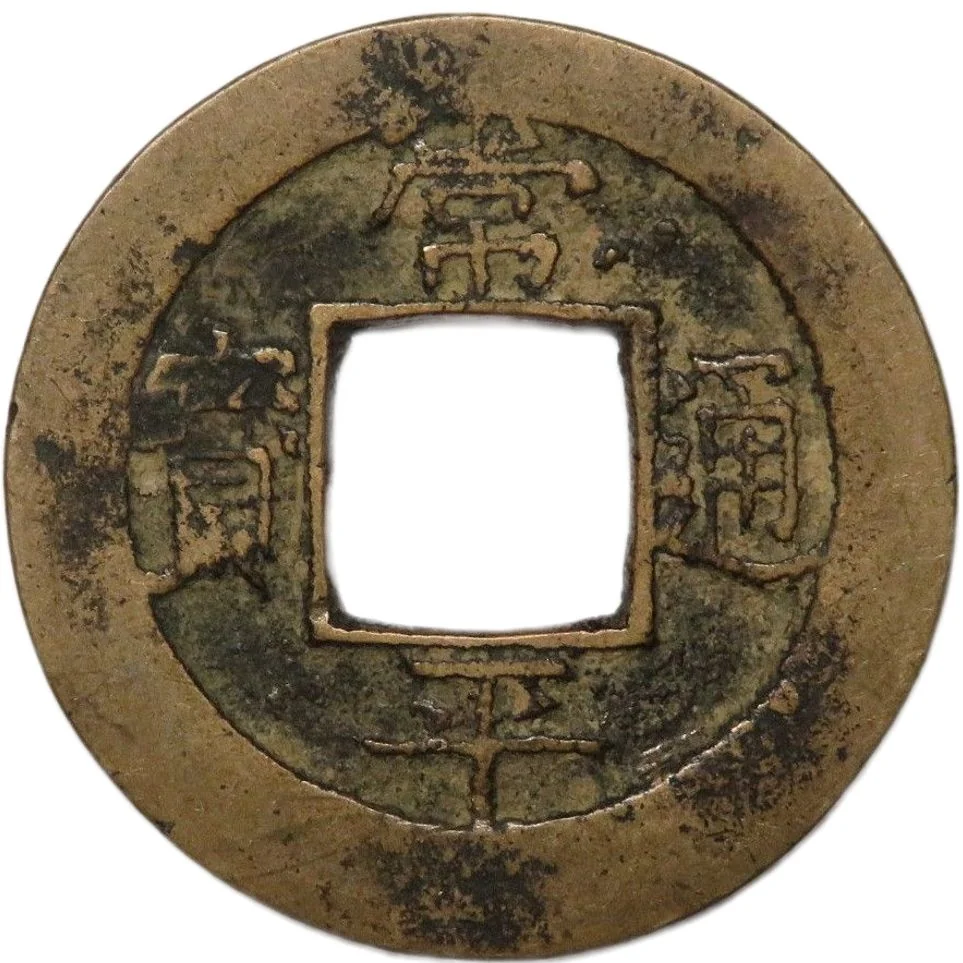
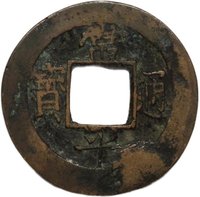
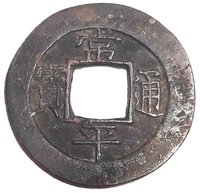
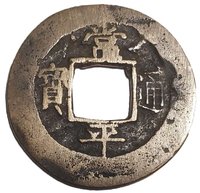
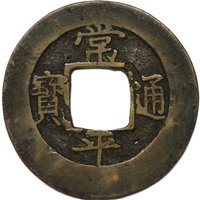
常平通寶 (Sang pyong Tong bo) - Yi Dynasty Korean currency.
Inscription:
常
寶 通
平
寶 通
平
Scripts: Chinese (traditional, regular script)
Reverse
Description:
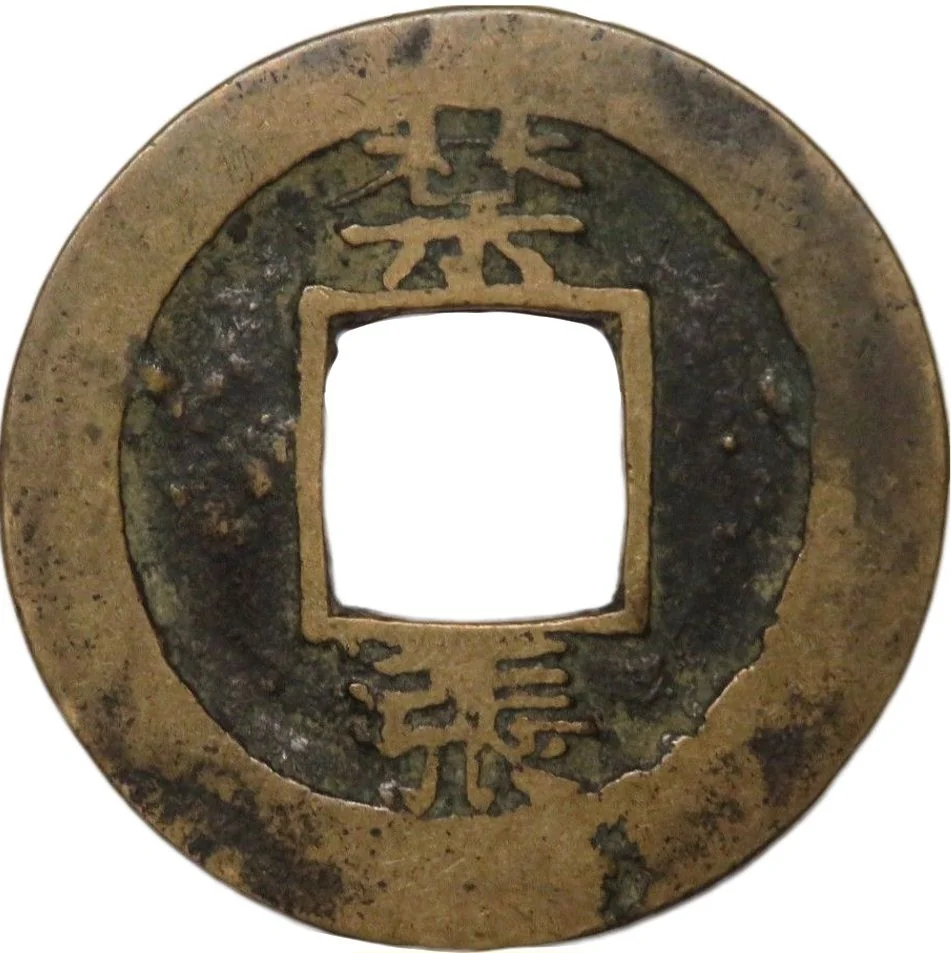
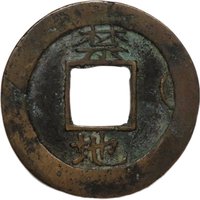
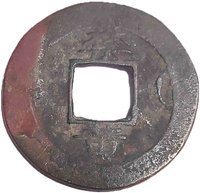
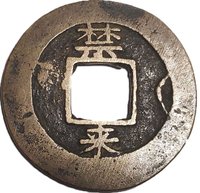
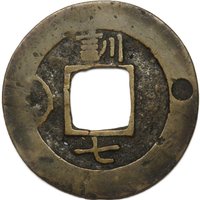
Mint mark: 禁 (Kum) — Court Guard Military Unit (Chang)
Inscription:
禁
張
張
Scripts: Chinese (traditional, regular script)
Edge
Plain
Mints
| Name | Mark |
|---|---|
| Court Guard Military Unit | 禁 |
Mintings
| Year | Mint Mark | Mintage | Quality | Collection |
|---|---|---|---|---|
| 1753 | 禁 | — |
Historical background
In 1753, the currency situation in Joseon was defined by a state of severe instability and economic strain, primarily driven by the chronic debasement of the yeopjeon (葉錢), the standard brass coin. Since its widespread introduction in the 17th century, the government had repeatedly issued new coinages with reduced copper content to generate seigniorage revenue, leading to rampant inflation. The value of the coinage plummeted, while market prices, particularly for rice and cloth—the other key mediums of exchange—soared. This created a profound loss of public trust in the monetary system, with merchants and citizens alike preferring tangible goods over the increasingly worthless brass coins.
The root causes of this crisis were multifaceted. Financially, the state treasury was perpetually depleted due to the costs of military preparedness, royal court expenditures, and a rigid tax system based largely on grain, which was insufficient for a commercializing economy. Socially, the circulation of privately minted counterfeit coins, often of even poorer quality than the official issues, exacerbated the problem. The Samsu (三手) system, which allowed tax payments in coin, cloth, or grain, became dysfunctional as the official exchange rates failed to keep pace with market realities, causing further confusion and arbitrage.
King Yeongjo (r. 1724-1776), aware of the corrosive effects of this monetary chaos on both the economy and state authority, was actively seeking solutions. The year 1753 fell within a period of his reform efforts, which included attempts to recall old coinage and mint new, standardized sangpyeong tongbo (常平通寶) coins. However, these measures faced significant implementation challenges, including resistance from corrupt officials and powerful merchants who profited from the unstable system. Thus, the currency situation of 1753 represented a critical and unresolved tension between a deteriorating old order and the king's persistent, but not yet successful, drive for monetary stabilization.
The root causes of this crisis were multifaceted. Financially, the state treasury was perpetually depleted due to the costs of military preparedness, royal court expenditures, and a rigid tax system based largely on grain, which was insufficient for a commercializing economy. Socially, the circulation of privately minted counterfeit coins, often of even poorer quality than the official issues, exacerbated the problem. The Samsu (三手) system, which allowed tax payments in coin, cloth, or grain, became dysfunctional as the official exchange rates failed to keep pace with market realities, causing further confusion and arbitrage.
King Yeongjo (r. 1724-1776), aware of the corrosive effects of this monetary chaos on both the economy and state authority, was actively seeking solutions. The year 1753 fell within a period of his reform efforts, which included attempts to recall old coinage and mint new, standardized sangpyeong tongbo (常平通寶) coins. However, these measures faced significant implementation challenges, including resistance from corrupt officials and powerful merchants who profited from the unstable system. Thus, the currency situation of 1753 represented a critical and unresolved tension between a deteriorating old order and the king's persistent, but not yet successful, drive for monetary stabilization.
✨ Legendary