

2 fanons – Puducherry
Add to wishlist
India
Context
Material
Diameter: 14 mm
Weight: 3 g
Silver Weight:: 3.00 g
Thickness: 2.5 mm
Shape: Irregular round
Composition: Silver
Magnetic: No
Alignment: Coin alignment
flip
References
KM: #
Numista: #47079
Value
Bullion value: $7.48
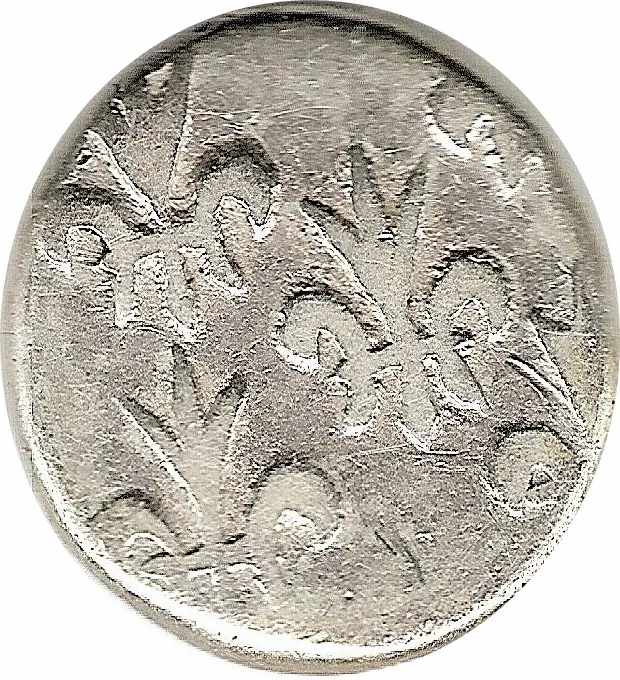
Obverse
Description:
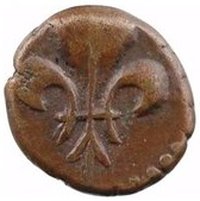
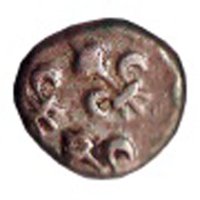
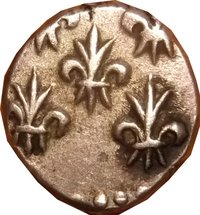
Five fleurs-de-lis.
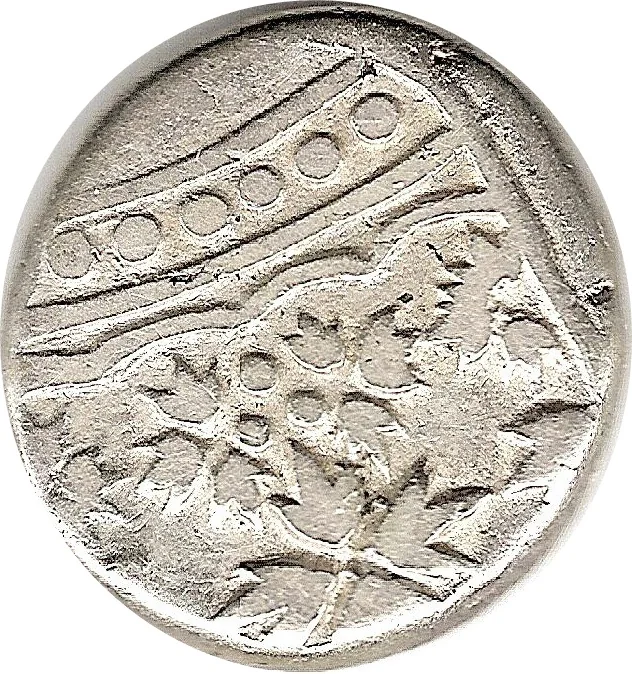
Reverse
Description:
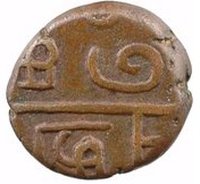
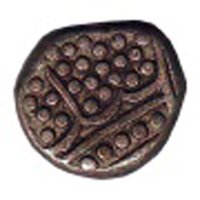
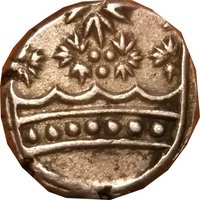
Crown with decorations.
Edge
Plain
Mintings
| Year | Mint Mark | Mintage | Quality | Collection |
|---|---|---|---|---|
| — | — | — |
Historical background
In 1720, Puducherry (then Pondicherry) was a French colonial enclave amidst a complex South Indian monetary landscape. The French East India Company, which administered the settlement, faced the persistent challenge of establishing a stable and authoritative currency system. While the Company had the right to mint coins, its limited territorial control and economic reach meant that a multitude of currencies circulated simultaneously. The French fanam and pagoda were issued but competed directly with a flood of foreign and indigenous coins, including Mughal rupees, Vijayanagara pagodas, and currencies from other European companies like the British and Dutch.
The primary economic activity was trade, both with the European ships and the surrounding Tamil regions, necessitating a fluid exchange system. Merchants and the local population routinely assessed coins not by their face value or issuing authority, but by their intrinsic weight and purity of gold or silver. This made transactions a specialized affair, requiring shroffs (money-changers) to test and evaluate coins, taking a commission. The French administration’s attempts to fix exchange rates often failed against market realities, leading to frequent ordinances that revealed a constant struggle to control a system they could not dominate.
Consequently, the monetary situation was one of pragmatic pluralism and chronic instability. The French currency coexisted with, but did not supplant, the wider regional circulatory system. This environment created opportunities for arbitrage and fraud, such as clipping and counterfeiting, while also binding the colony’s economy to the broader Indian Ocean trade networks. The currency background of 1720 Puducherry is thus characterized by this tension between colonial ambition and local economic tradition, where the Company’s minted coins were just one thread in a much richer and more tangled monetary fabric.
The primary economic activity was trade, both with the European ships and the surrounding Tamil regions, necessitating a fluid exchange system. Merchants and the local population routinely assessed coins not by their face value or issuing authority, but by their intrinsic weight and purity of gold or silver. This made transactions a specialized affair, requiring shroffs (money-changers) to test and evaluate coins, taking a commission. The French administration’s attempts to fix exchange rates often failed against market realities, leading to frequent ordinances that revealed a constant struggle to control a system they could not dominate.
Consequently, the monetary situation was one of pragmatic pluralism and chronic instability. The French currency coexisted with, but did not supplant, the wider regional circulatory system. This environment created opportunities for arbitrage and fraud, such as clipping and counterfeiting, while also binding the colony’s economy to the broader Indian Ocean trade networks. The currency background of 1720 Puducherry is thus characterized by this tension between colonial ambition and local economic tradition, where the Company’s minted coins were just one thread in a much richer and more tangled monetary fabric.



✨ Legendary