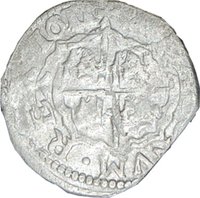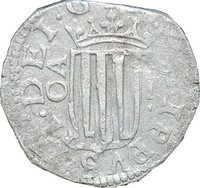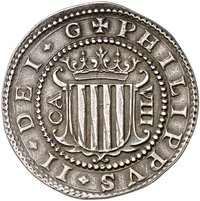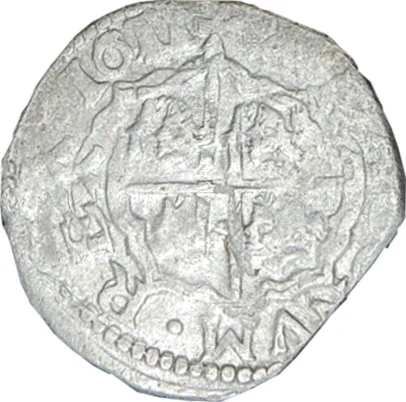
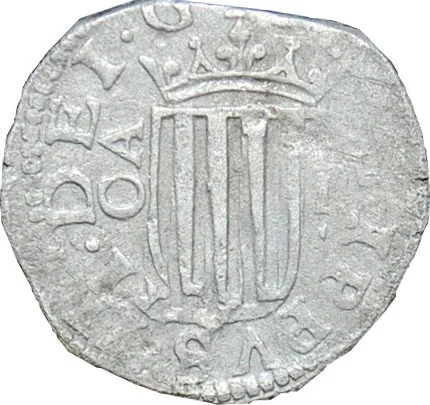
In 1611, the Kingdom of Aragon, while united under the Spanish Crown with Castile, maintained a distinct monetary system reflective of its historic
fueros (legal privileges). The primary circulating coin was the Aragonese
sueldo (shilling), with 12
sueldos equalling one
libra (pound) and 20
sueldos constituting a
peseta. However, the reality was one of significant complexity and strain. The local coinage, minted in cities like Zaragoza, often competed with a flood of Castilian currency, particularly the powerful
real and the famed
piece of eight, which were essential for international trade. This created a dual-system where accounting in
libras,
sueldos, and
dineros coexisted with transactions in Castilian reales, leading to constant exchange calculations and friction.
The period was marked by severe inflationary pressures, a problem plaguing much of Habsburg Spain due to the influx of American silver. While Aragon’s economy was less directly tied to the Indies than Castile’s, it was not insulated. The increasing volume of lower-value billon (debased silver) coinage and vellón (copper) coins from both local and Castilian mints drove up prices and eroded purchasing power. This "Price Revolution" caused social tension, particularly for day labourers and those on fixed incomes, as wages failed to keep pace with the cost of basic goods like wheat and textiles.
Furthermore, the monetary situation was a point of political contention between the Aragonese Cortes and the Crown in Madrid. The
fueros gave Aragon the right to control its own minting, and the local authorities frequently petitioned the king to restrict the inflow of Castilian copper coinage, which they saw as destabilizing. These petitions, however, often met with limited success, as the Crown’s own fiscal crises led it to prioritise the broader financial needs of the empire over Aragonese regional concerns. Thus, in 1611, Aragon’s currency was a symbol of its lingering autonomy, yet simultaneously a symptom of its integration into a struggling monarchy facing profound economic challenges.