

8 Reales – Peru
Peru
Context
Years: 1785–1789
Issuer: Peru 
Ruler: Charles III
Currency:
(1568—1858)
Demonetized: Yes
Total mintage: 13,052,000
Material
References
KM: #Click to copy to clipboard78a
Numista: #46614
Value
Bullion value: $68.27
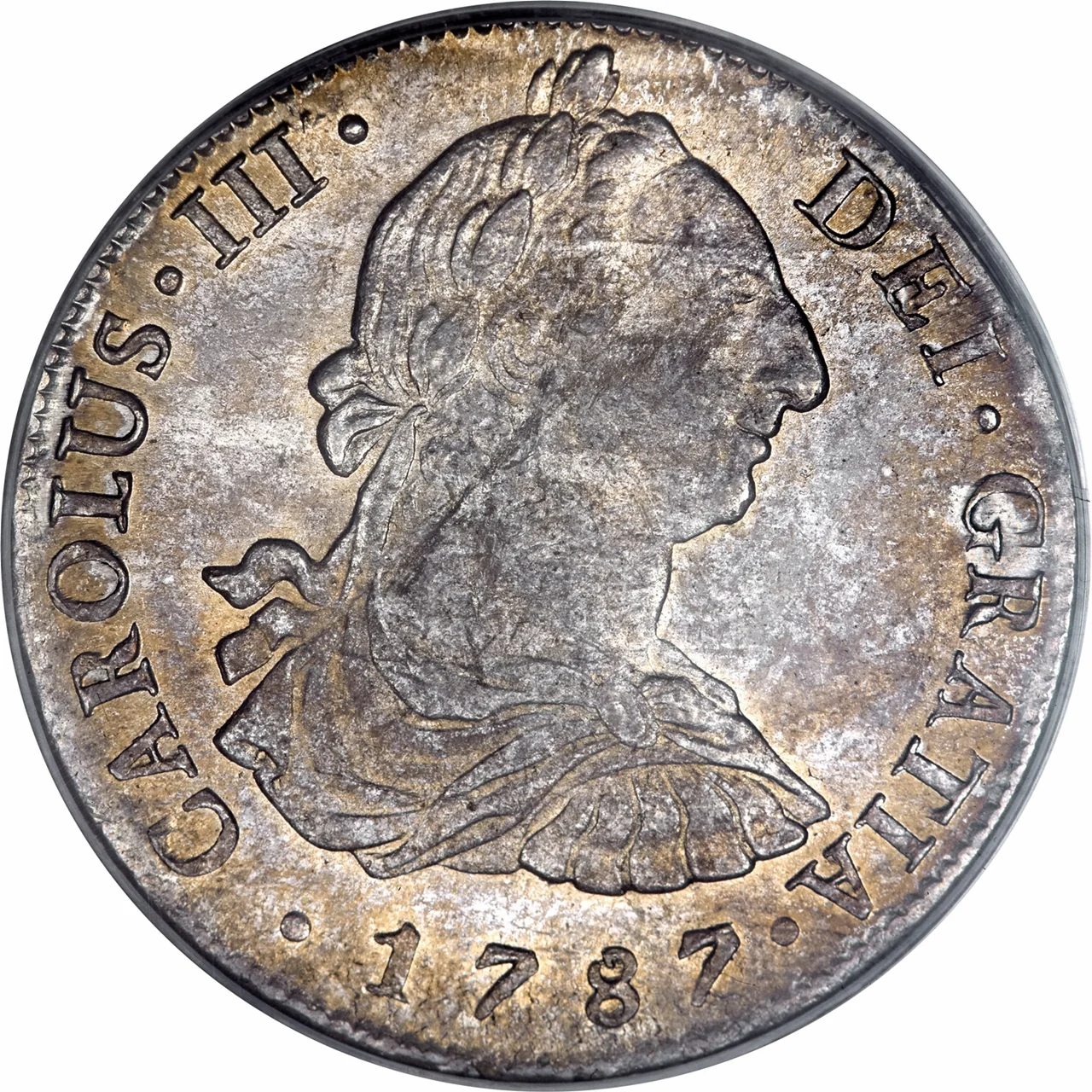
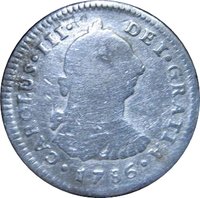
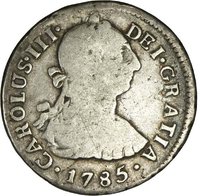
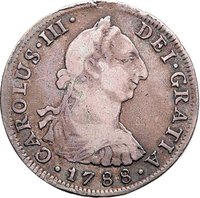
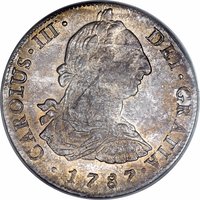
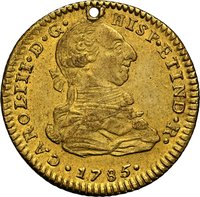
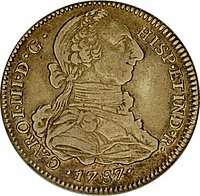
Obverse
Description:
Charles III bust, right-facing.
Inscription:
CAROLUS • III • DEI • GRATIA •
Script: Latin
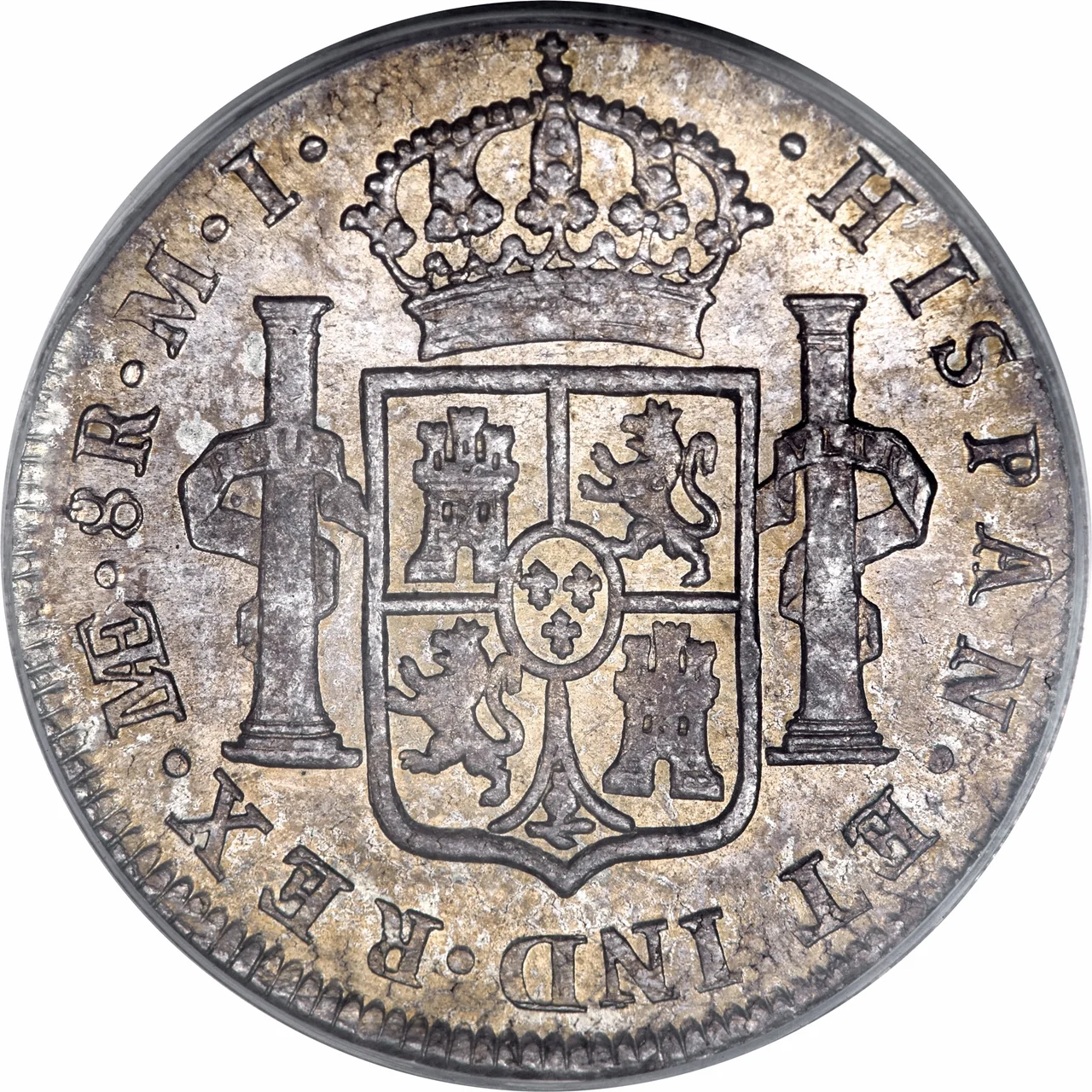
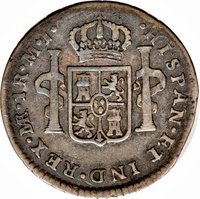
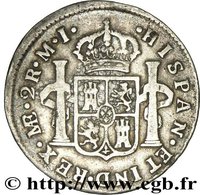
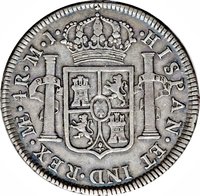
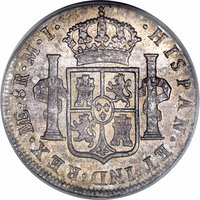
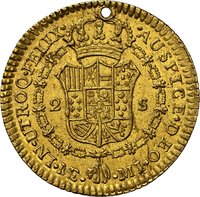
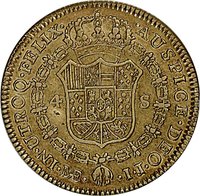
Reverse
Description:
Crowned shield between pillars.
Inscription:
HISPAN • ET • IND • REX • LIMAE • 8R • M • I •
PLUS VLTRA
PLUS VLTRA
Script: Latin
Edge
Smooth with alternating patterns (round and rectangular)
Mints
| Name | Mark |
|---|---|
| Lima | LIMAE |
Mintings
| Year | Mint Mark | Mintage | Quality | Collection |
|---|---|---|---|---|
| 1785 | MI | 2,767,000 | ||
| 1786 | MI | — | ||
| 1787 | IJ | — | ||
| 1787 | MI | 3,318,000 | ||
| 1788 | IJ | 3,467,000 | ||
| 1789 | IJ | 3,500,000 |
Historical background
In 1785, the Viceroyalty of Peru was navigating a complex and challenging currency situation, deeply rooted in the colonial economic structure. The primary circulating coin was the silver real, minted at the famed Potosí mint (in present-day Bolivia), which was the heart of the Spanish Empire's wealth. However, the system was plagued by chronic shortages of small-denomination coinage (moneda menuda) for daily transactions, leading to the widespread use of crude, privately minted tokens and even coca leaves as substitutes in local markets. This scarcity hindered commerce and caused significant inconvenience for the vast majority of the population.
The monetary landscape was further complicated by the recent Bourbon Reforms, specifically the Currency Ordinance of 1770. This law aimed to standardize coinage across the empire by introducing new, machine-struck pillars coins (moneda de cordoncillo) to replace the old hammer-struck coins. While improving quality and deterring clipping, the reform was implemented slowly and created a confusing dual circulation of old and new coins of varying intrinsic values. Furthermore, a severe shortage of gold and copper coinage persisted, and the economy remained overwhelmingly dependent on the fluctuating silver production from the mines, which were past their peak.
Ultimately, the currency situation reflected the broader administrative and economic strains of the late-colonial period. While the Spanish Crown sought greater control and efficiency through standardization, the practical reality in Peru was a fragmented and insufficient money supply that failed to meet the needs of its diverse economy. This monetary instability contributed to social tensions and highlighted the growing disconnect between imperial policy and the daily economic life of the viceroyalty, foreshadowing the fiscal crises that would accompany the independence movements decades later.
The monetary landscape was further complicated by the recent Bourbon Reforms, specifically the Currency Ordinance of 1770. This law aimed to standardize coinage across the empire by introducing new, machine-struck pillars coins (moneda de cordoncillo) to replace the old hammer-struck coins. While improving quality and deterring clipping, the reform was implemented slowly and created a confusing dual circulation of old and new coins of varying intrinsic values. Furthermore, a severe shortage of gold and copper coinage persisted, and the economy remained overwhelmingly dependent on the fluctuating silver production from the mines, which were past their peak.
Ultimately, the currency situation reflected the broader administrative and economic strains of the late-colonial period. While the Spanish Crown sought greater control and efficiency through standardization, the practical reality in Peru was a fragmented and insufficient money supply that failed to meet the needs of its diverse economy. This monetary instability contributed to social tensions and highlighted the growing disconnect between imperial policy and the daily economic life of the viceroyalty, foreshadowing the fiscal crises that would accompany the independence movements decades later.
Series: 1785 Peru circulation coins
💎 Extremely Rare