


Mints
| Name | Mark |
|---|---|
| Lima | — |
Mintings
| Year | Mint Mark | Mintage | Quality | Collection |
|---|---|---|---|---|
| 1763 | LMJM | — | ||
| 1764 | LMJM | — | ||
| 1765 | LMJM | — | ||
| 1766 | LMJM | — | ||
| 1767 | LMJM | — | ||
| 1768 | LMJM | — |
Historical background
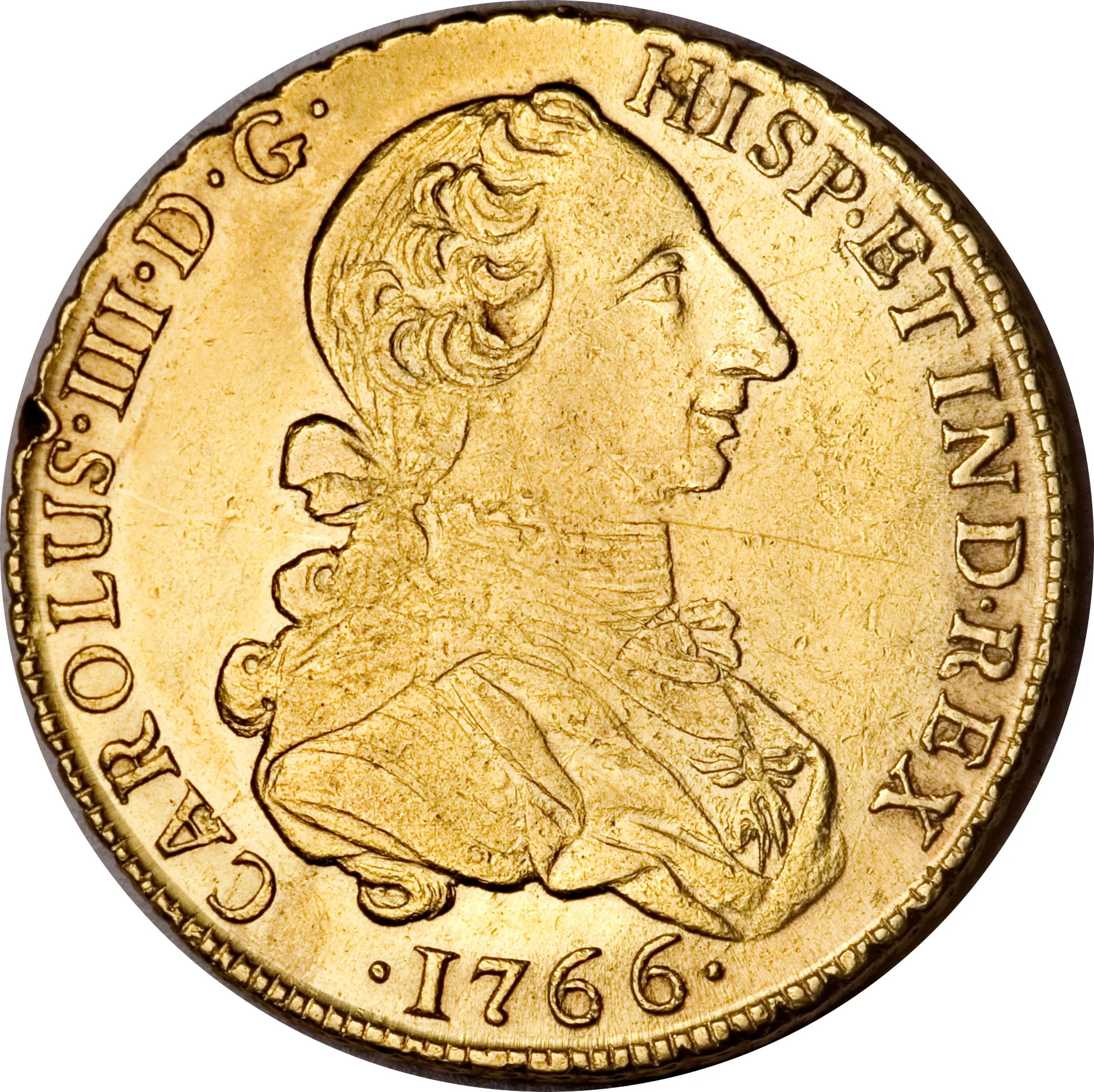
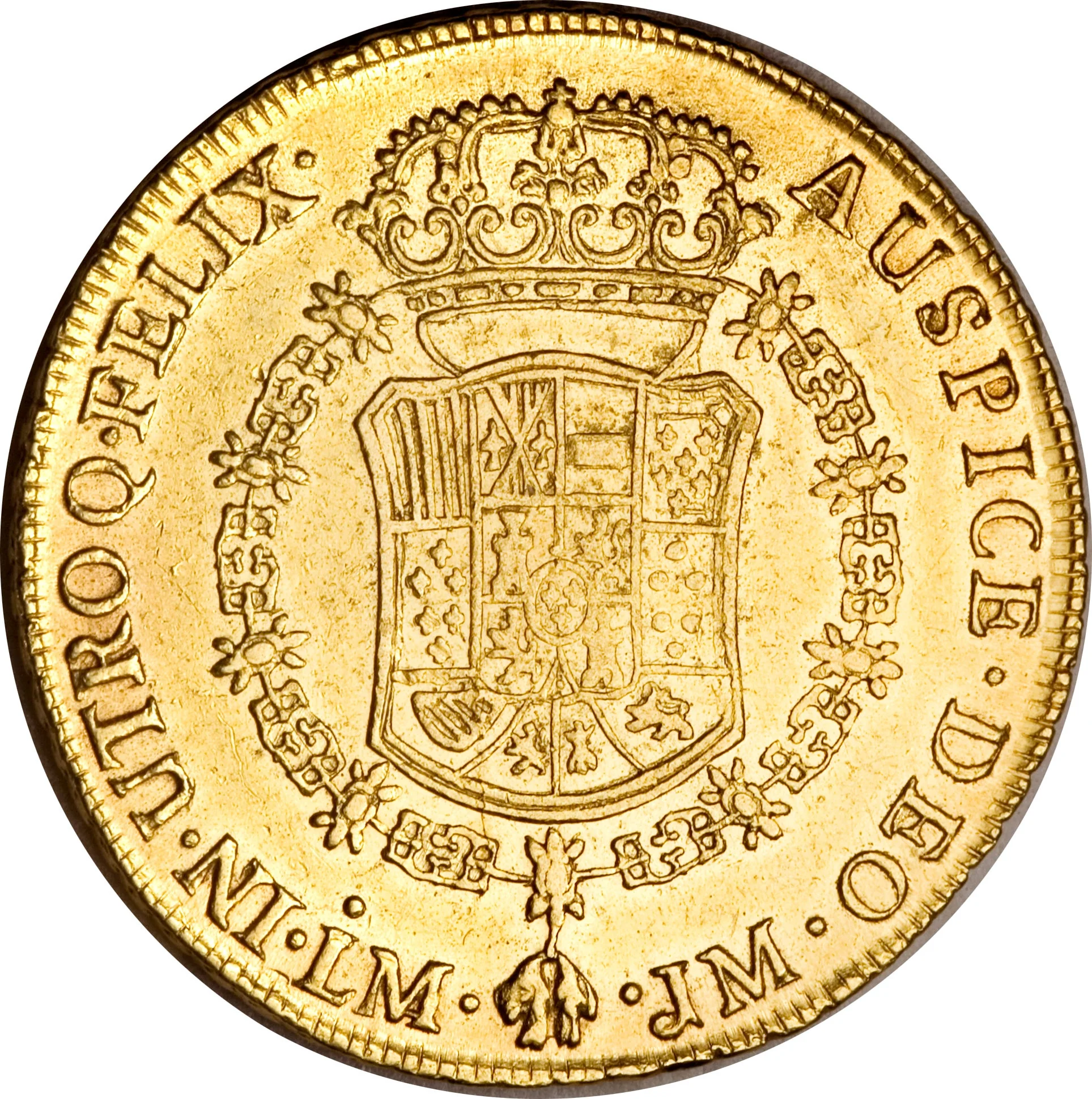
In 1763, the currency situation in the Viceroyalty of Peru was characterized by severe scarcity and administrative confusion, a legacy of Spain's restrictive colonial economic policies. The primary circulating coin was the silver real, minted from the vast output of the Potosí mines, with 8 reales making a peso. However, the Crown's insistence on funneling bullion to Spain, combined with high taxation and a ban on trade with other nations, chronically drained coin from the local economy. This scarcity was exacerbated by the use of heavily debased and clipped coins from earlier periods, which circulated alongside newer, purer mintings from the Lima mint (reopened in 1751), causing uncertainty in everyday transactions.
The Spanish monarchy, under the reforming Bourbon kings, was attempting to centralize and modernize the colonial fiscal system. A key reform was the establishment of the Casa de Moneda de Lima as a royal monopoly, which standardized coinage by producing milled-edge pieces to prevent clipping. By 1763, these efforts were still in a phase of implementation and adjustment. The economy relied heavily on a patchwork of credit instruments, barter, and the use of macuquinas (the old, crude hammer-struck coins) alongside the new pillar dollars, creating a complex and often inefficient monetary environment.
This difficult currency scenario existed within a strained imperial context. The recent end of the global Seven Years' War in 1763 had seen Spain cede territories, highlighting the need for increased colonial revenue. The Bourbon reforms, which would intensify under Viceroy Manuel de Amat y Junient (who served from 1761-1776), aimed to extract more wealth from Peru. Therefore, the currency situation of 1763 was not just a monetary issue but a focal point in the struggle between a metropolis seeking to maximize its income and a colonial society grappling with the practical realities of a constrained and uneven money supply.
The Spanish monarchy, under the reforming Bourbon kings, was attempting to centralize and modernize the colonial fiscal system. A key reform was the establishment of the Casa de Moneda de Lima as a royal monopoly, which standardized coinage by producing milled-edge pieces to prevent clipping. By 1763, these efforts were still in a phase of implementation and adjustment. The economy relied heavily on a patchwork of credit instruments, barter, and the use of macuquinas (the old, crude hammer-struck coins) alongside the new pillar dollars, creating a complex and often inefficient monetary environment.
This difficult currency scenario existed within a strained imperial context. The recent end of the global Seven Years' War in 1763 had seen Spain cede territories, highlighting the need for increased colonial revenue. The Bourbon reforms, which would intensify under Viceroy Manuel de Amat y Junient (who served from 1761-1776), aimed to extract more wealth from Peru. Therefore, the currency situation of 1763 was not just a monetary issue but a focal point in the struggle between a metropolis seeking to maximize its income and a colonial society grappling with the practical realities of a constrained and uneven money supply.

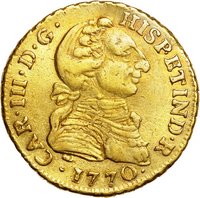
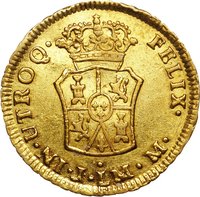
✨ Legendary