

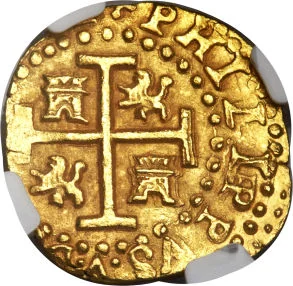
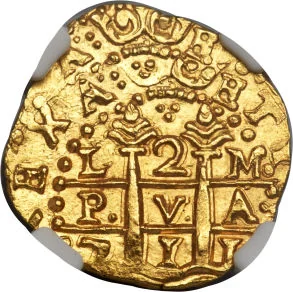
Mints
| Name | Mark |
|---|---|
| Lima | — |
Mintings
| Year | Mint Mark | Mintage | Quality | Collection |
|---|---|---|---|---|
| 1701 | LH | — | ||
| 1702 | LH | — | ||
| 1703 | LH | — | ||
| 1704 | LH | — | ||
| 1705 | LH | — | ||
| 1707 | LH | — | ||
| — | L | — | ||
| 1708 | LH | — | ||
| 1709 | LH | — | ||
| 1709 | LM | — | ||
| 1710 | LM | — | ||
| 1711 | LM | — | ||
| 1712 | LM | — | ||
| 1713 | LM | — | ||
| 1714 | LM | — | ||
| 1715 | LM | — | ||
| 1716 | LM | — | ||
| 1720 | LM | — | ||
| 1721 | LM | — | ||
| 1723 | LM | — | ||
| 1728 | LM | — | ||
| 1733 | LN | — | ||
| 1735 | LN | — | ||
| 1736 | LN | — | ||
| 1741 | LV | — | ||
| 1744 | LV | — |
Historical background
In 1701, Peru's currency situation was intrinsically tied to its status as the wealthiest viceroyalty within the Spanish Empire, yet it was plagued by systemic problems. The primary currency was silver, minted into coins at the Casa de Moneda de Lima, established in 1565. The most famous unit was the "real de a ocho" or peso, an eight-real piece whose silver largely originated from the prodigious mines of Potosí (in modern-day Bolivia, then part of the Viceroyalty of Peru). However, the monetary system was chronically afflicted by a severe shortage of small-denomination coins (moneda menuda), which crippled everyday market transactions for the general population and led to the widespread use of makeshift tokens and barter.
This scarcity was exacerbated by the Crown's fiscal policies and the structure of the colonial economy. Vast quantities of silver were shipped to Spain as royal revenue, while much of the remaining coinage was hoarded by merchants and elites or drained by regional trade within the Americas. Furthermore, the currency in circulation was often debased and clipped, leading to a loss of trust. Counterfeiting was also a persistent issue, despite being a crime punishable by death. The Spanish monarchy, under the new Bourbon dynasty of Philip V following the War of Spanish Succession, was aware of these monetary disorders but was initially preoccupied with European conflicts, delaying substantive reform.
Consequently, the Peruvian economy in 1701 operated with an inefficient and dualistic monetary system. While large-scale trade and imperial finance functioned on heavy silver pesos, the internal popular economy relied on a chaotic mix of credit, commodity money (like coca leaves), and cut or forged coins. This instability reflected the broader administrative challenges of the Habsburg era, which the incoming Bourbon dynasty would later seek to address in the 18th century through a series of reforms aimed at centralizing control and revitalizing the colonial economy, including the eventual establishment of new mints.
This scarcity was exacerbated by the Crown's fiscal policies and the structure of the colonial economy. Vast quantities of silver were shipped to Spain as royal revenue, while much of the remaining coinage was hoarded by merchants and elites or drained by regional trade within the Americas. Furthermore, the currency in circulation was often debased and clipped, leading to a loss of trust. Counterfeiting was also a persistent issue, despite being a crime punishable by death. The Spanish monarchy, under the new Bourbon dynasty of Philip V following the War of Spanish Succession, was aware of these monetary disorders but was initially preoccupied with European conflicts, delaying substantive reform.
Consequently, the Peruvian economy in 1701 operated with an inefficient and dualistic monetary system. While large-scale trade and imperial finance functioned on heavy silver pesos, the internal popular economy relied on a chaotic mix of credit, commodity money (like coca leaves), and cut or forged coins. This instability reflected the broader administrative challenges of the Habsburg era, which the incoming Bourbon dynasty would later seek to address in the 18th century through a series of reforms aimed at centralizing control and revitalizing the colonial economy, including the eventual establishment of new mints.
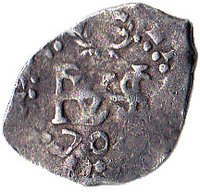
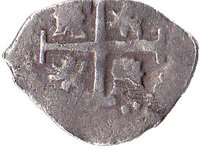
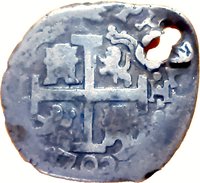
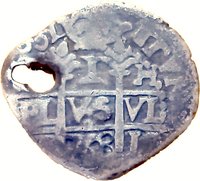
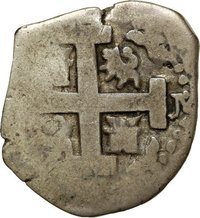
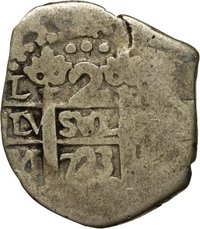
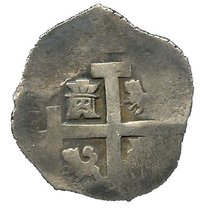
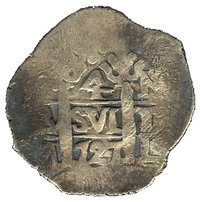
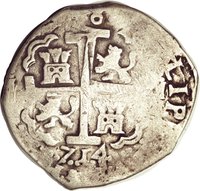
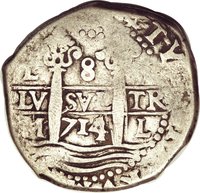
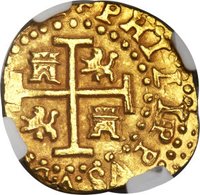
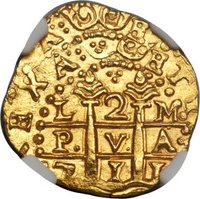
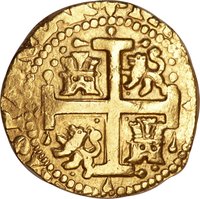
Series: 1701 Peru circulation coins
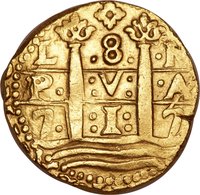
✨ Legendary