

1 Rupee – Mughal Empire
India
Context
Years: 1707–1711
Country: India 
Issuer: Mughal Empire
Ruler: Bahadur Shah
Currency:
(1540—1842)
Demonetized: Yes
Material
References
KM: #Click to copy to clipboard347.2
Numista: #465531
Value
Bullion value: $32.86
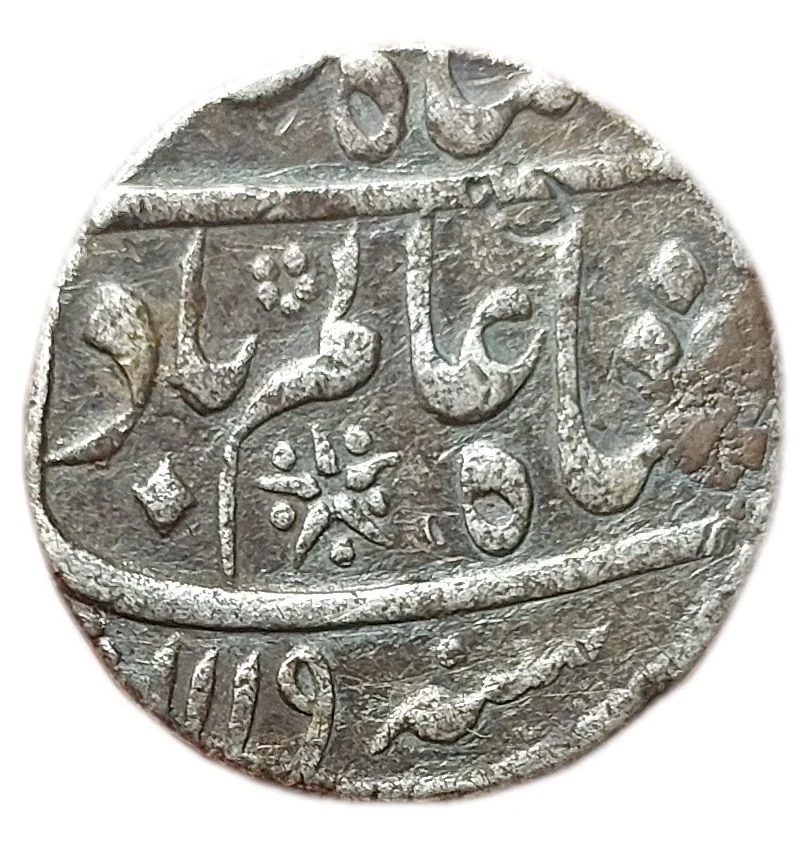
Obverse
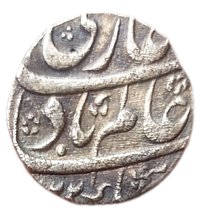
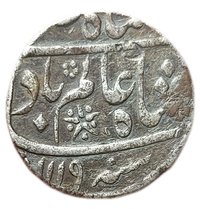
Description:
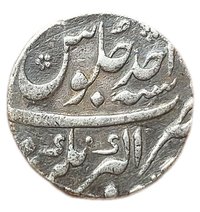
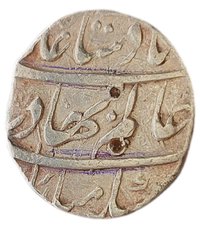
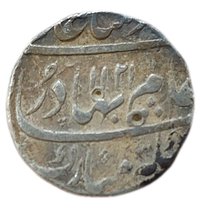
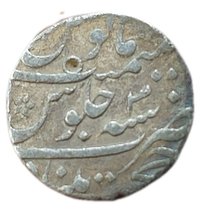
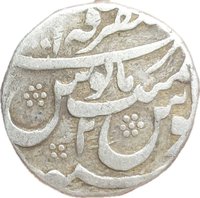
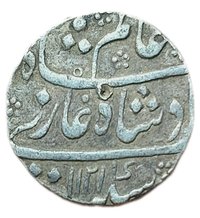
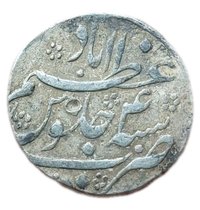
Shah Alam II, silver rupee, AH 1119.
Inscription:
شاہ عالم بادشاه
سکۀ مبارک
1119 سنہ
سکۀ مبارک
1119 سنہ
Script: Persian
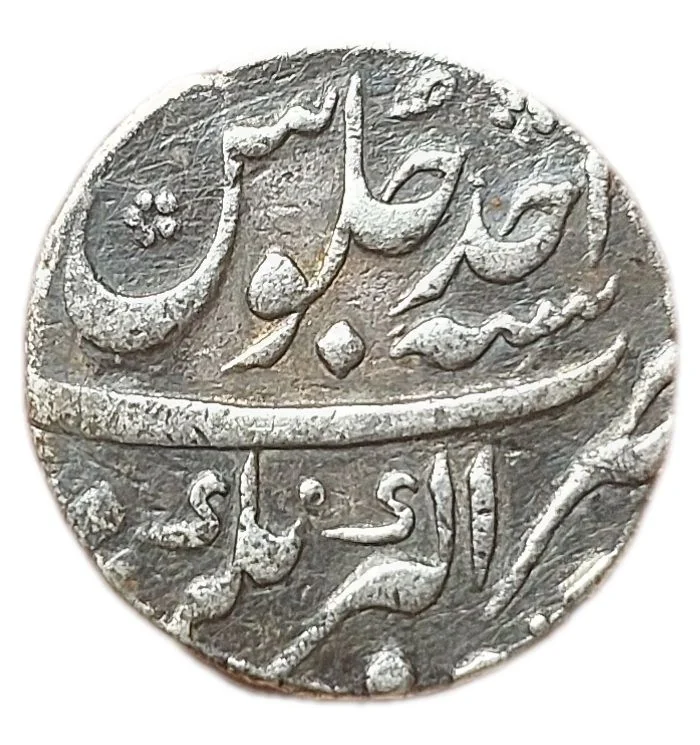
Reverse
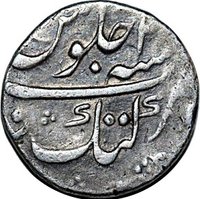
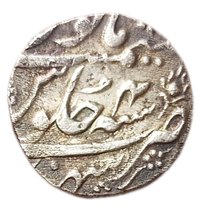
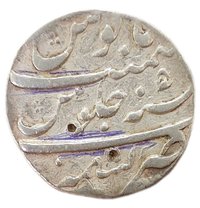
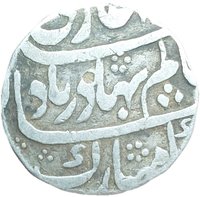
Description:
Sana Ahd Jaloos, Mint Akbarnagar
Inscription:
سنه احد جلوس
ضرب اکبر نگر
ضرب اکبر نگر
Edge
Mintings
| Year | Mint Mark | Mintage | Quality | Collection |
|---|---|---|---|---|
| 1707 | — | — | ||
| 1708 | — | — | ||
| 1709 | — | — | ||
| 1710 | — | — | ||
| 1711 | — | — |
Historical background
By 1707, the Mughal Empire's currency system, while still robust in theory, was beginning to show the strains of imperial overreach and fiscal pressure. The foundation was the standardized trimetallic system established by Emperor Akbar: the gold mohur, the silver rupee, and the copper dam. The silver rupee, particularly the high-purity Rupiya, served as the primary currency for large-scale trade, revenue assessment, and imperial treasuries, enjoying wide acceptance across the subcontinent and even in international markets. The system was centrally managed with imperial mints (Dar-ul-Zarb) in major cities like Delhi, Lahore, and Ahmedabad, ensuring a remarkable degree of uniformity and trust in the coinage for over a century.
However, the latter years of Emperor Aurangzeb's long reign (1658-1707) placed severe stress on this system. His protracted and costly military campaigns in the Deccan, particularly against the Marathas, drained the imperial treasury. To finance these wars, the state increasingly resorted to debasement—reducing the silver content in rupees minted in certain regions or during certain years. While not yet a catastrophic collapse, this practice began to erode the absolute confidence in the currency's uniformity. Furthermore, the empire's vast size and the growing power of regional governors made strict central control over minting increasingly difficult to maintain.
Consequently, as Aurangzeb died in 1707, the stage was set for significant monetary challenges. The impending war of succession among his sons would further exhaust central coffers, accelerating the trend of debasement. The weakening central authority would lead to a proliferation of provincial and even local mints, issuing coins of varying weight and purity. Thus, while the Mughal rupee remained a potent symbol of economic authority, the unified and disciplined currency system of the empire's zenith was beginning a slow fragmentation, mirroring the political decentralization that would define the 18th century.
However, the latter years of Emperor Aurangzeb's long reign (1658-1707) placed severe stress on this system. His protracted and costly military campaigns in the Deccan, particularly against the Marathas, drained the imperial treasury. To finance these wars, the state increasingly resorted to debasement—reducing the silver content in rupees minted in certain regions or during certain years. While not yet a catastrophic collapse, this practice began to erode the absolute confidence in the currency's uniformity. Furthermore, the empire's vast size and the growing power of regional governors made strict central control over minting increasingly difficult to maintain.
Consequently, as Aurangzeb died in 1707, the stage was set for significant monetary challenges. The impending war of succession among his sons would further exhaust central coffers, accelerating the trend of debasement. The weakening central authority would lead to a proliferation of provincial and even local mints, issuing coins of varying weight and purity. Thus, while the Mughal rupee remained a potent symbol of economic authority, the unified and disciplined currency system of the empire's zenith was beginning a slow fragmentation, mirroring the political decentralization that would define the 18th century.

✨ Legendary