

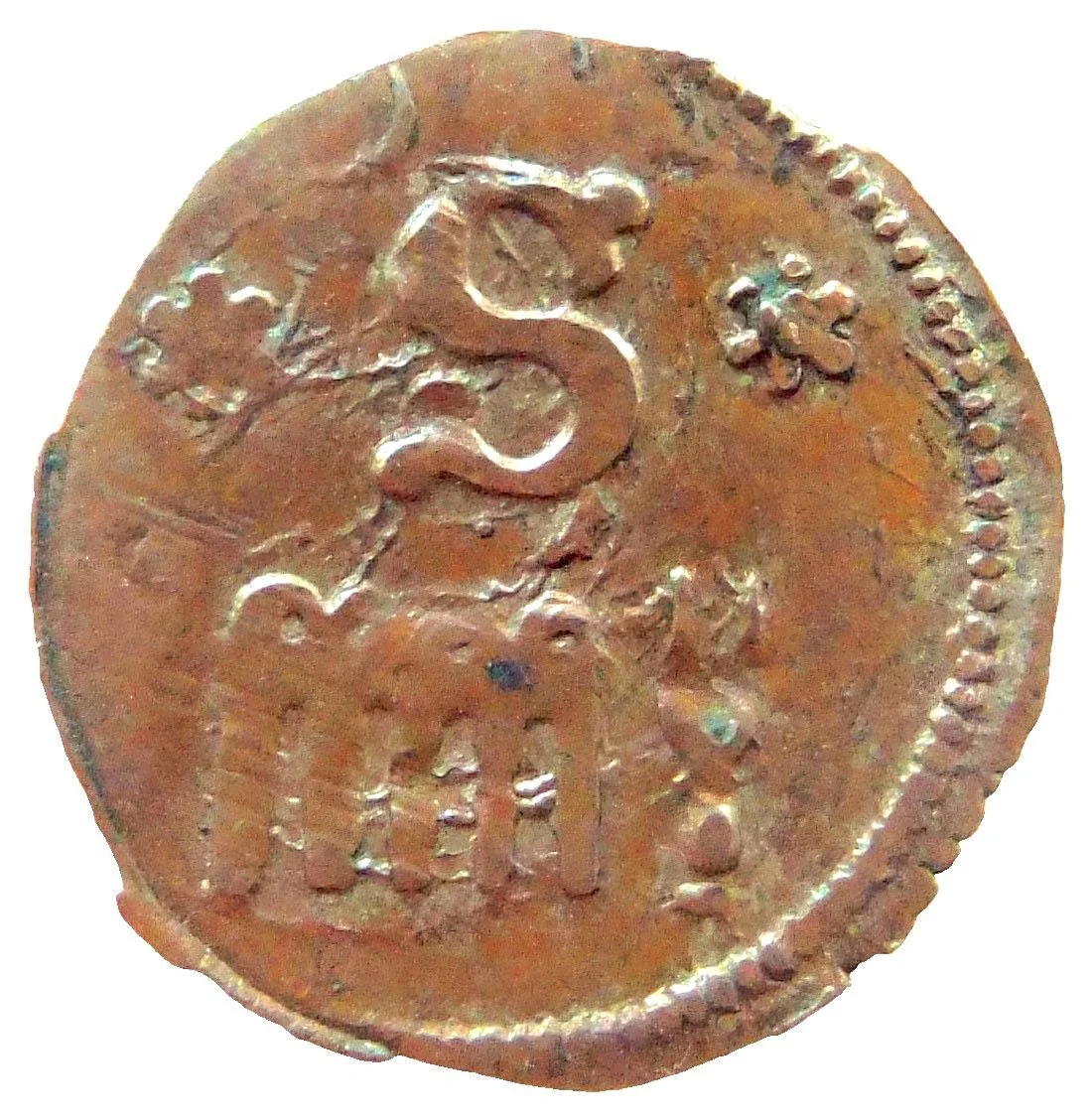
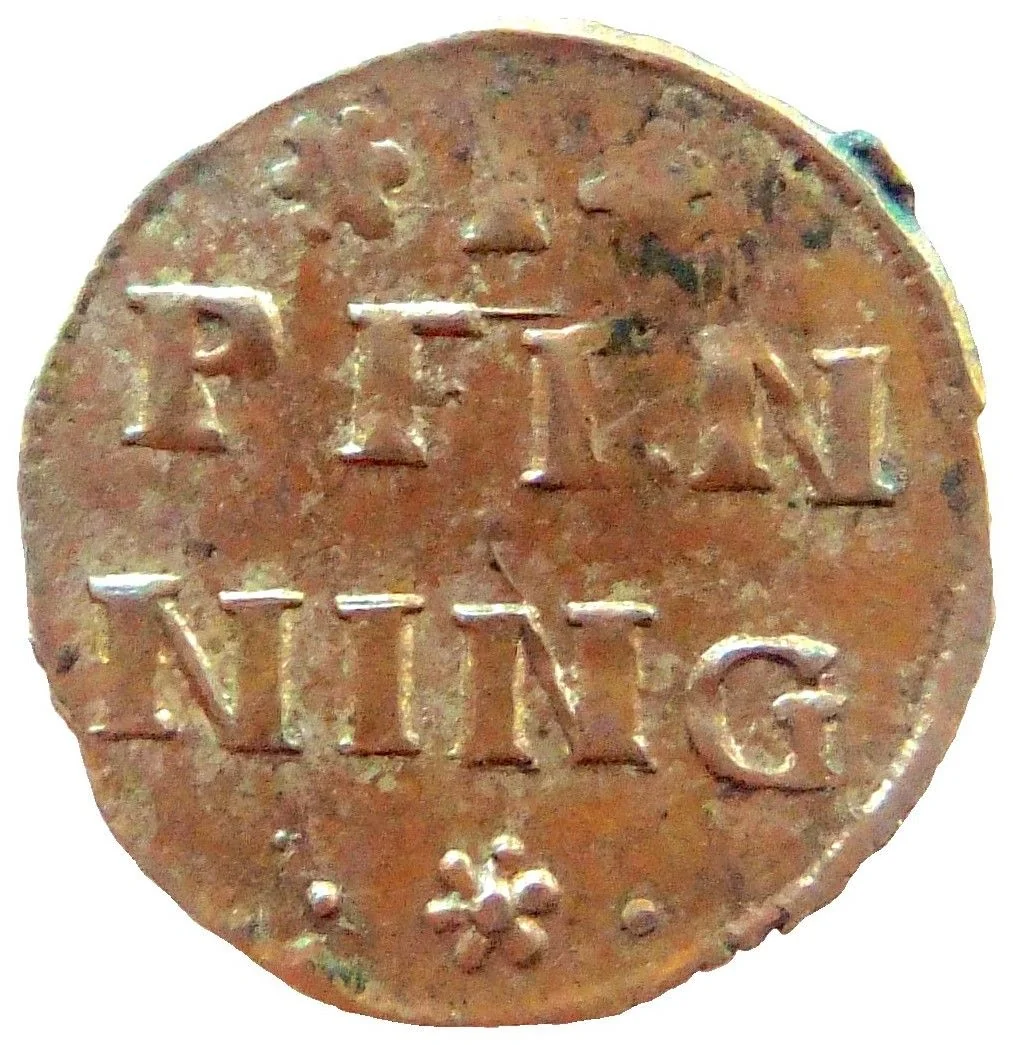
1 Pfennig – Schwarzburg-Sondershausen
Germany
Context
Years: 1621–1622
Country: Germany 
Issuer: Schwarzburg-Sondershausen
Currency:
(1619—1696)
Demonetized: Yes
Material
References
KM: #Click to copy to clipboard23
Numista: #465019
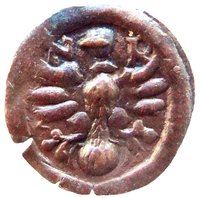
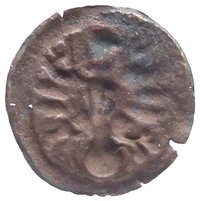
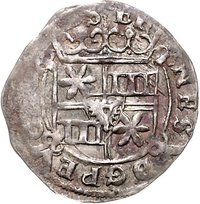
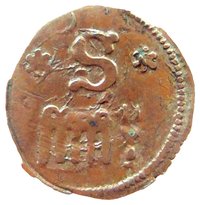
Obverse
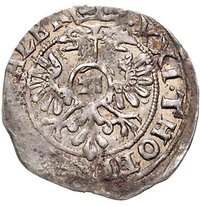
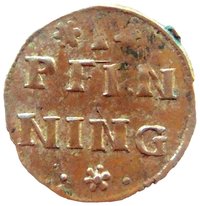
Reverse
Edge
Mintings
| Year | Mint Mark | Mintage | Quality | Collection |
|---|---|---|---|---|
| — | — | — |
Historical background
In 1621, the small Thuringian principality of Schwarzburg-Sondershausen, like much of the Holy Roman Empire, was grappling with a severe monetary crisis triggered by the early stages of the Thirty Years' War. The war's immense financial demands led numerous states, notably the neighbouring Archbishopric of Mainz and the Duchy of Brunswick-Wolfenbüttel, to dramatically debase their coinage. They reduced the precious metal content in coins, such as the Reichsthaler and smaller denominations, to fund military operations, flooding the region with inferior money.
This practice caused Gresham's Law to operate forcefully within Schwarzburg-Sondershausen: "bad money drives out good." Older, full-value coins were hoarded by the population or taken out of circulation for melting, while the new, debased coins circulated at artificially maintained face values. This led to rapid price inflation, a collapse in public trust in the currency, and severe disruption to local trade and wages. As a small state, Schwarzburg-Sondershausen had limited capacity to control the influx of this foreign "Kipper und Wipper" coinage that overwhelmed its economy.
The situation forced Count Günther XLII of Schwarzburg-Sondershausen to confront the crisis, though his options were constrained. While larger imperial actors like Emperor Ferdinand II would issue futile decrees against the debasement, the local response likely involved attempts to regulate prices and control the circulation of the worst coinage within the county's borders. Ultimately, the currency chaos of 1621 exemplified how the fiscal pressures of a continental war could destabilize even a peaceful, minor territory, eroding its economic stability and compounding the hardships of its populace.
This practice caused Gresham's Law to operate forcefully within Schwarzburg-Sondershausen: "bad money drives out good." Older, full-value coins were hoarded by the population or taken out of circulation for melting, while the new, debased coins circulated at artificially maintained face values. This led to rapid price inflation, a collapse in public trust in the currency, and severe disruption to local trade and wages. As a small state, Schwarzburg-Sondershausen had limited capacity to control the influx of this foreign "Kipper und Wipper" coinage that overwhelmed its economy.
The situation forced Count Günther XLII of Schwarzburg-Sondershausen to confront the crisis, though his options were constrained. While larger imperial actors like Emperor Ferdinand II would issue futile decrees against the debasement, the local response likely involved attempts to regulate prices and control the circulation of the worst coinage within the county's borders. Ultimately, the currency chaos of 1621 exemplified how the fiscal pressures of a continental war could destabilize even a peaceful, minor territory, eroding its economic stability and compounding the hardships of its populace.
✨ Legendary