

2 Lire – San Marino
Non-circulating coins
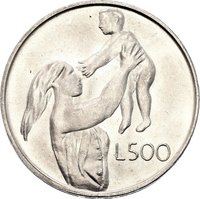
Series: Maternity
San Marino
Context
Year: 1972
Issuer: San Marino 
Period:
(since 301)
Currency:
(1864—2001)
Demonetization: 1 March 2002
Total mintage: 291,000
Material
References
KM: #Click to copy to clipboard15
Numista: #11842
Value
Exchange value: 2 SML
Obverse
Description:
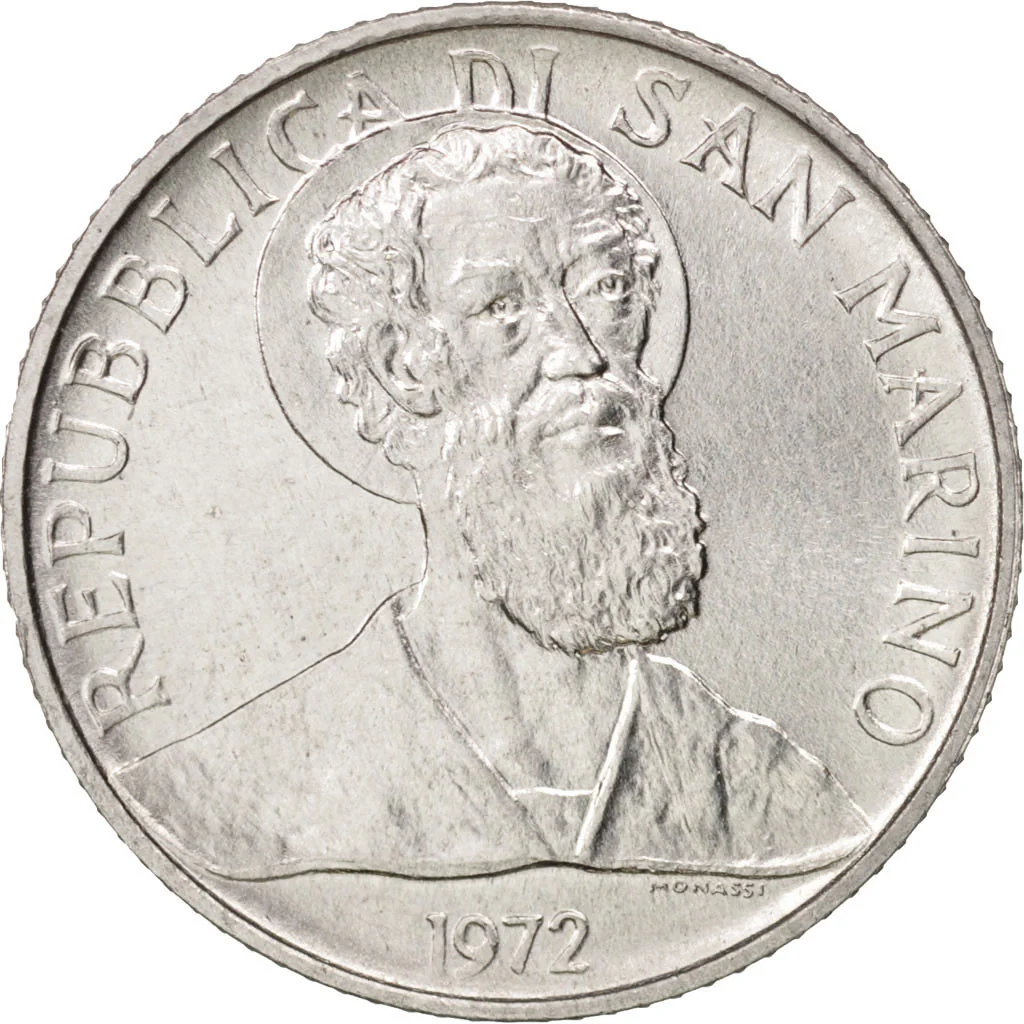
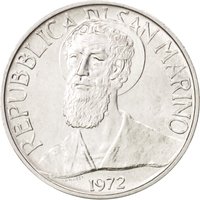
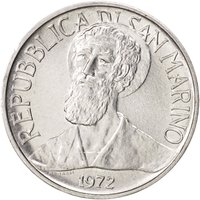
San Marino bust and date.
Inscription:
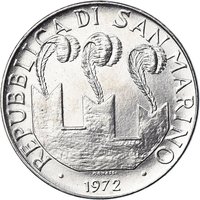
REPUBBLICA DI SAN MARINO
1972
1972
Translation:
REPUBLIC OF SAN MARINO
1972
1972
Script: Latin
Language: Italian
Engraver: Guerrino Mattia Monassi
Reverse
Description:
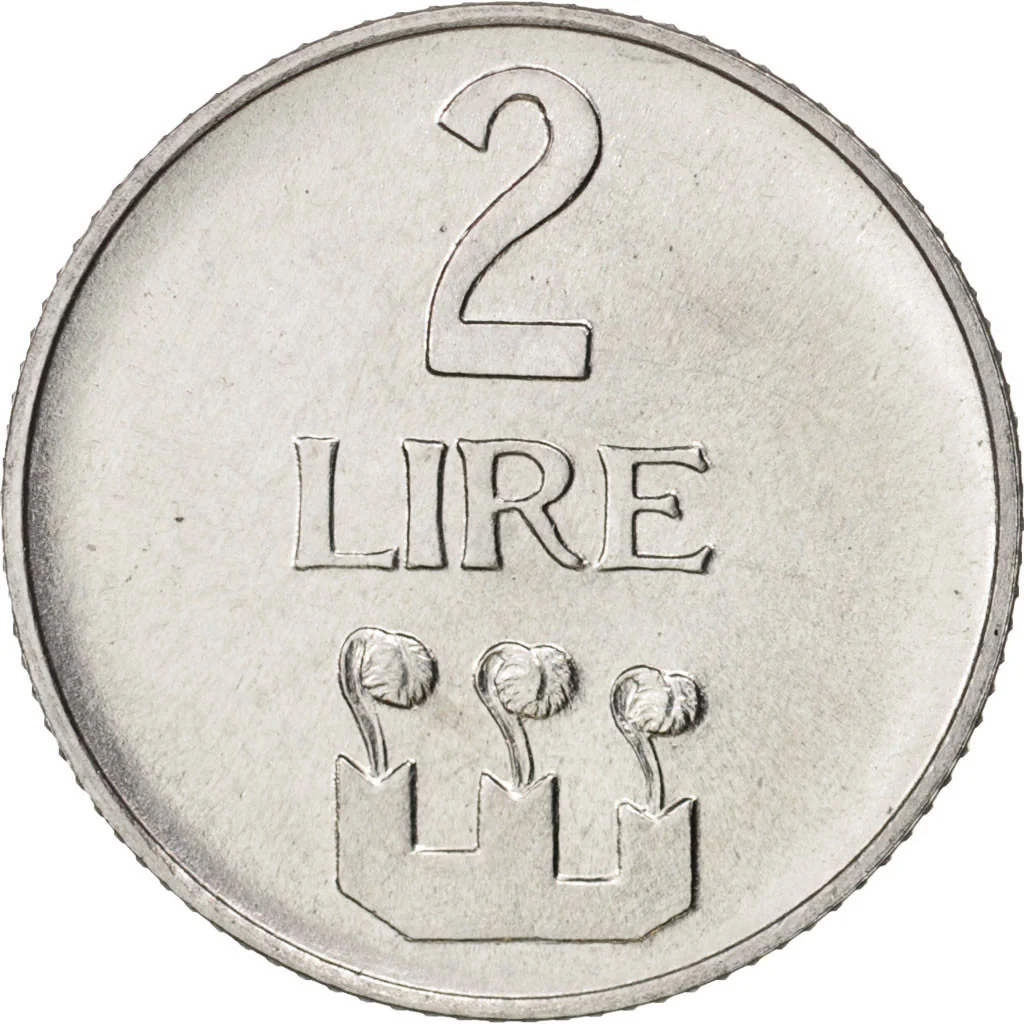
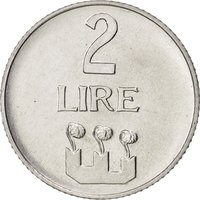
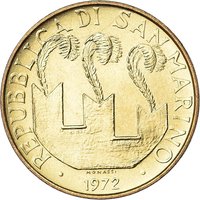
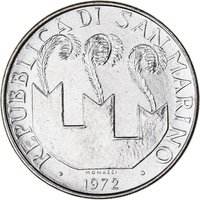
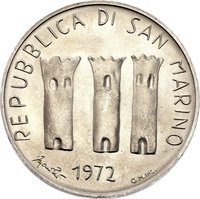
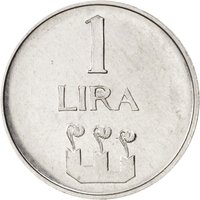
Stylized three towers, each topped with an ostrich feather, representing San Marino's citadels: La Guaita, La Cesta, and La Montale.
Inscription:
2
LIRE
LIRE
Script: Latin
Engraver: Guerrino Mattia Monassi
Edge
Reeded
Categories
| Person> Religious figure |
Mints
| Name | Mark |
|---|---|
| Rome | — |
Mintings
| Year | Mint Mark | Mintage | Quality | Collection |
|---|---|---|---|---|
| 1972 | — | 291,000 | In sets |
Historical background
In 1972, San Marino's currency situation was intrinsically linked to that of Italy, operating under a formal monetary agreement that had been in place for decades. As a microstate completely surrounded by Italian territory, San Marino lacked its own central bank and independent monetary policy. The Italian Lira (ITL) was the official legal tender, circulating freely and used for all daily transactions. However, a key feature of the arrangement was San Marino's limited right to issue its own distinct coinage. These Sammarinese coins, minted in limited quantities and specific denominations, were legal tender only within the republic's borders but were pegged at par with the Italian lira and circulated alongside it.
This coinage privilege, established by a 1939 agreement with Italy, was primarily symbolic and numismatic rather than economic. The coins served as an important marker of national sovereignty and identity, featuring Sammarinese symbols, but they did not constitute a separate currency. The republic's economy, heavily reliant on tourism, postage stamps, and light industry, was fully integrated into the Italian financial system. All banking and credit operations were conducted in Italian lire, and the country's monetary stability was entirely dependent on the policies of the Banca d'Italia.
Therefore, the background for 1972 shows a period of monetary stability for San Marino, but one of complete dependency. The value of the circulating medium—whether Italian notes or Sammarinese coins—was determined by Italy's economic performance and the lira's position within the Bretton Woods system of fixed exchange rates. This arrangement provided simplicity and economic security but came at the cost of monetary autonomy, a trade-off that would define San Marino's financial landscape for the remainder of the 20th century.
This coinage privilege, established by a 1939 agreement with Italy, was primarily symbolic and numismatic rather than economic. The coins served as an important marker of national sovereignty and identity, featuring Sammarinese symbols, but they did not constitute a separate currency. The republic's economy, heavily reliant on tourism, postage stamps, and light industry, was fully integrated into the Italian financial system. All banking and credit operations were conducted in Italian lire, and the country's monetary stability was entirely dependent on the policies of the Banca d'Italia.
Therefore, the background for 1972 shows a period of monetary stability for San Marino, but one of complete dependency. The value of the circulating medium—whether Italian notes or Sammarinese coins—was determined by Italy's economic performance and the lira's position within the Bretton Woods system of fixed exchange rates. This arrangement provided simplicity and economic security but came at the cost of monetary autonomy, a trade-off that would define San Marino's financial landscape for the remainder of the 20th century.
Series: Maternity
🌱 Common