

8 Marks – Sweden
Sweden
Context

Material
References
KM: #Click to copy to clipboard75
Numista: #114998
Value
Bullion value: $92.02
Obverse
Description:
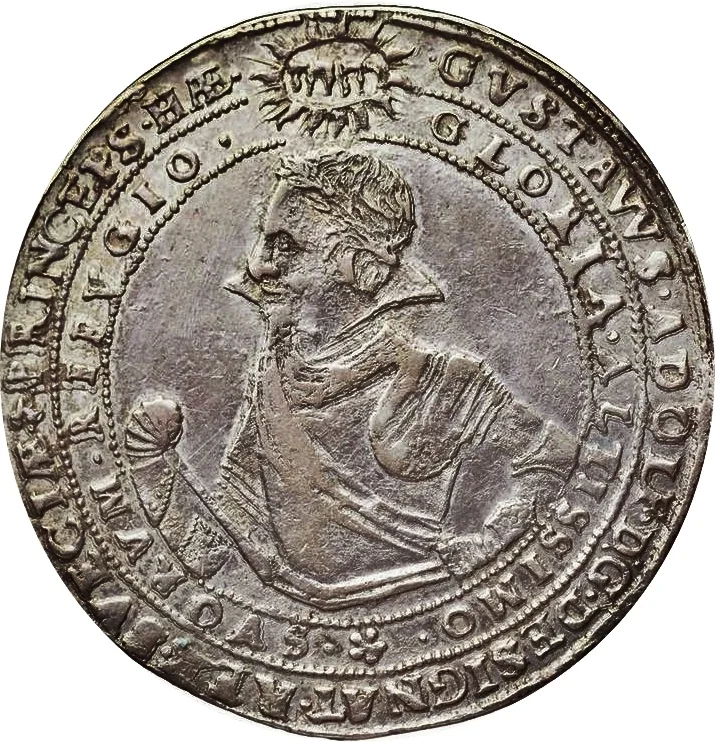
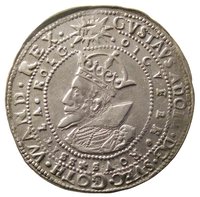
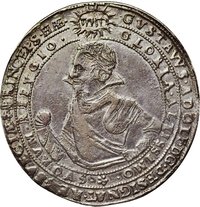
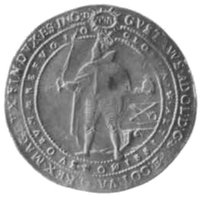
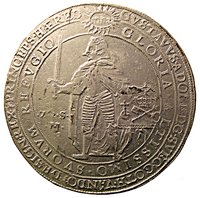
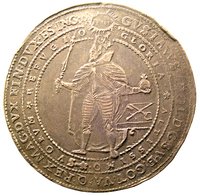
Armored bust of King Gustav Adolf holding a scepter, encircled by a two-line legend. The radiant Hebrew name of Jehovah appears above his head within the lines.
Inscription:
( יהוה ) GVSTAVVS · ADOLF · D:G · DESIGNAT · REX · SVECIÆ ·&· PRINCEPS · HÆR
GLORIA · ALTISSIMO * SVORVM · REFUGIO
GLORIA · ALTISSIMO * SVORVM · REFUGIO
Script: Latin
Reverse
Description:
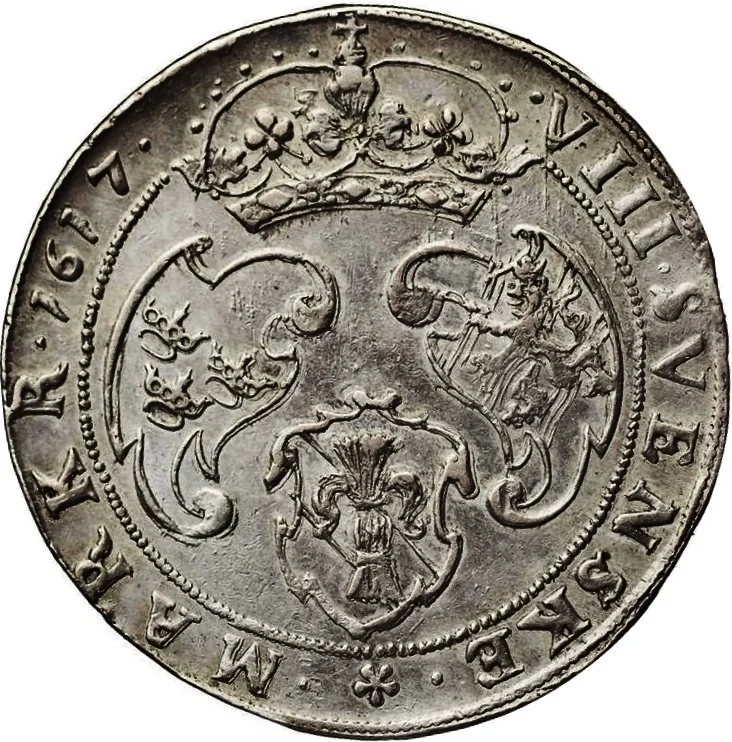
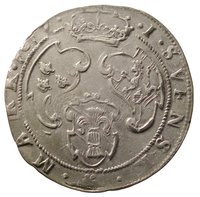
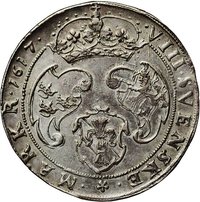
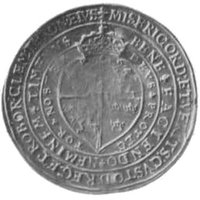
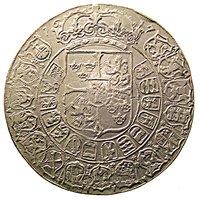
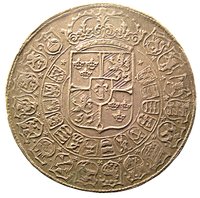
Crown above three shields in a triangular frame: the top two (Sweden's Three Crowns and the Folkungs Lion) bend inward, above a shield with the Vasa Arms. This central motif is encircled by beads, with the value and date around the outside.
Inscription:
· VIII · SVENSKE · * · MARKR · 1617 ·
Script: Latin
Edge
Mintings
| Year | Mint Mark | Mintage | Quality | Collection |
|---|---|---|---|---|
| 1617 | — | — |
Historical background
In 1617, Sweden was navigating a complex and deteriorating currency situation, largely a legacy of the ongoing Kalmar War (1611-1613) against Denmark-Norway. The conflict had been financially crippling, forcing the state to debase the coinage to pay for military expenses. By lowering the silver content in coins like the öre and mark, the royal mint could produce more money from the same amount of bullion, but this led to severe inflation and a loss of public trust. Older, purer coins were hoarded or exported, leaving the economy flooded with inferior money, a classic example of Gresham's Law where "bad money drives out good."
Recognizing the crisis, King Gustavus Adolphus and his chancellor, Axel Oxenstierna, were actively pursuing monetary reform. The year 1617 was part of a transitional period leading to a major recoinage in 1620. The government aimed to stabilize the currency by calling in the debased coins and minting new ones with a fixed and reliable silver content, thereby restoring confidence in the monetary system. This was not merely an economic measure but a strategic one, as the king was laying the financial groundwork for Sweden’s future expansion and involvement in the Thirty Years' War.
Thus, the currency situation in 1617 was characterized by the lingering disorder of wartime finance and the deliberate, preparatory steps toward a state-managed solution. The successful reforms that followed would provide a more stable fiscal base, essential for funding the administrative modernization and military prowess that would soon elevate Sweden to the status of a great European power.
Recognizing the crisis, King Gustavus Adolphus and his chancellor, Axel Oxenstierna, were actively pursuing monetary reform. The year 1617 was part of a transitional period leading to a major recoinage in 1620. The government aimed to stabilize the currency by calling in the debased coins and minting new ones with a fixed and reliable silver content, thereby restoring confidence in the monetary system. This was not merely an economic measure but a strategic one, as the king was laying the financial groundwork for Sweden’s future expansion and involvement in the Thirty Years' War.
Thus, the currency situation in 1617 was characterized by the lingering disorder of wartime finance and the deliberate, preparatory steps toward a state-managed solution. The successful reforms that followed would provide a more stable fiscal base, essential for funding the administrative modernization and military prowess that would soon elevate Sweden to the status of a great European power.
Series: 1617 Sweden circulation coins
✨ Legendary