

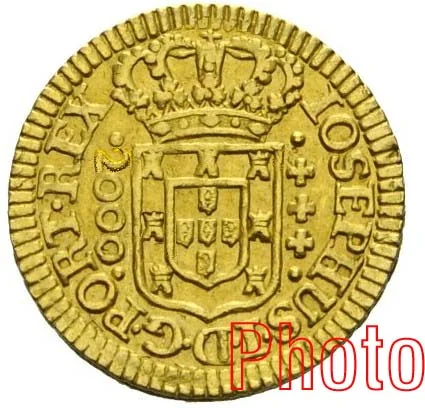
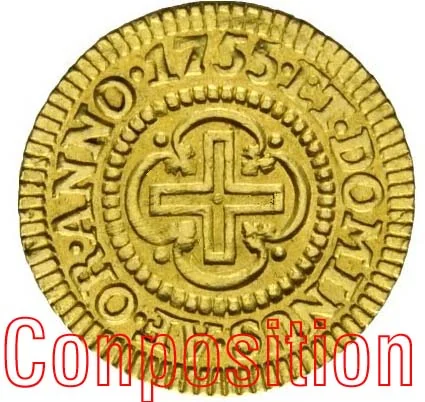
2000 réis – Mozambique
Add to wishlist
Mozambique
Context
Year: 1755
Issuer: Mozambique
Ruler: Joseph I
Currency:
(1706—1910)
Demonetized: Yes
Total mintage: 600
Material
References
KM: #
Numista: #45766
Value
Bullion value: $365.36
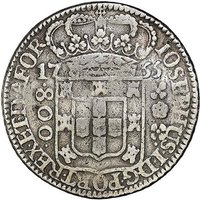
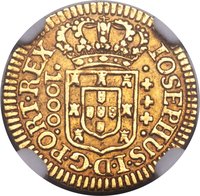
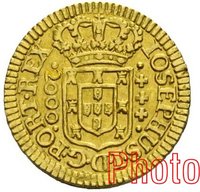
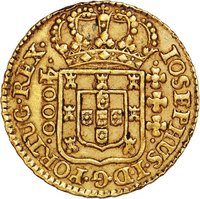
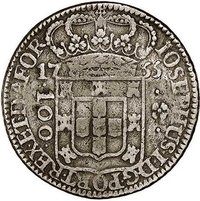
Obverse
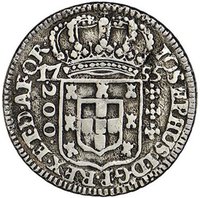
Inscription:
IOSEPHUS.I DG.PORT.REX
2000
2000
Script: Latin
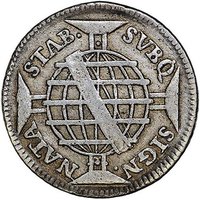
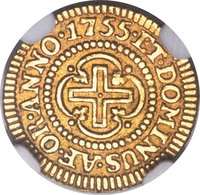
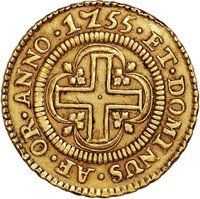
Reverse
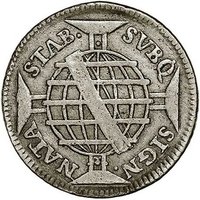
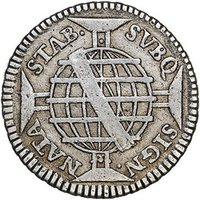
Inscription:
1755.ETDOMINUS.AF.OR.ANNO.
Script: Latin
Edge
Mints
| Name | Mark |
|---|---|
| Imprensa Nacional - Casa da Moeda | — |
Mintings
| Year | Mint Mark | Mintage | Quality | Collection |
|---|---|---|---|---|
| 1755 | — | 600 |
Historical background
In 1755, the currency situation in the Portuguese colony of Mozambique was characterized by a complex and often chaotic system of multiple, competing mediums of exchange. The official currency was the Portuguese real, but its circulation was extremely limited, primarily used for official transactions at the administrative headquarters on the island of Mozambique and in the prazos (land grants) along the Zambezi River. The Portuguese state's economic focus was overwhelmingly on Asia (Goa and Macau) and Brazil, leaving Mozambique chronically starved of official coinage. This scarcity meant that the colonial economy could not function on Portuguese currency alone.
Consequently, the day-to-day economy relied heavily on commodity currencies and foreign coinage. The most important and widespread medium of exchange was a form of cloth currency, specifically Indian cotton textiles known as panos (singular: pano). These were imported by Gujarati and later Portuguese traders and served as a standard unit of value for local trade, including the purchase of foodstuffs and handicrafts. Alongside cloth, other commodity monies such as beads and shells (cowries) circulated, especially in interior trade networks. Additionally, Spanish American silver pesos (pieces of eight) and gold coins, which entered via global trade routes, were used for larger transactions, particularly in the burgeoning slave trade, which was becoming a central pillar of the colony's economy.
This multi-currency environment created a fluctuating and localized system of exchange rates, often negotiated between Portuguese settlers, Afro-Portuguese prazo holders, Swahili coastal traders, and interior African kingdoms. The Portuguese crown had little effective control over this monetary jungle. The situation in 1755 thus reflected a colony deeply integrated into Indian Ocean trade circuits (using cloth and silver) while simultaneously being pulled into the Atlantic world through the slave trade, all while operating with a severe shortage of its nominal national currency. This fragmentation underscored Lisbon's limited administrative reach and the colony's reliance on pre-existing regional economic systems.
Consequently, the day-to-day economy relied heavily on commodity currencies and foreign coinage. The most important and widespread medium of exchange was a form of cloth currency, specifically Indian cotton textiles known as panos (singular: pano). These were imported by Gujarati and later Portuguese traders and served as a standard unit of value for local trade, including the purchase of foodstuffs and handicrafts. Alongside cloth, other commodity monies such as beads and shells (cowries) circulated, especially in interior trade networks. Additionally, Spanish American silver pesos (pieces of eight) and gold coins, which entered via global trade routes, were used for larger transactions, particularly in the burgeoning slave trade, which was becoming a central pillar of the colony's economy.
This multi-currency environment created a fluctuating and localized system of exchange rates, often negotiated between Portuguese settlers, Afro-Portuguese prazo holders, Swahili coastal traders, and interior African kingdoms. The Portuguese crown had little effective control over this monetary jungle. The situation in 1755 thus reflected a colony deeply integrated into Indian Ocean trade circuits (using cloth and silver) while simultaneously being pulled into the Atlantic world through the slave trade, all while operating with a severe shortage of its nominal national currency. This fragmentation underscored Lisbon's limited administrative reach and the colony's reliance on pre-existing regional economic systems.

✨ Legendary