

15 réis – Mozambique
Add to wishlist
Mozambique
Context
Material
Diameter: 32 mm
Weight: 21 g
Shape: Irregular round
Composition: Copper
Magnetic: No
Technique: Hammered
References
KM: #
Numista: #45756
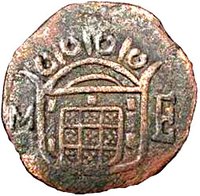
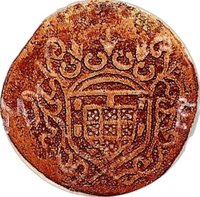
Obverse
Description:
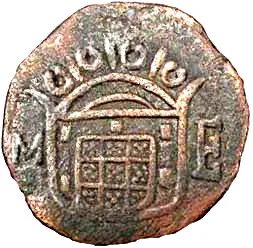
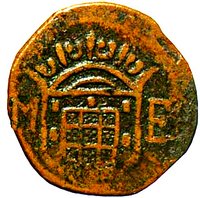
Coat of Arms with flanking letters M-E, meaning (oçambiqu)E.
Inscription:
M E
Script: Latin
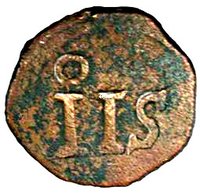
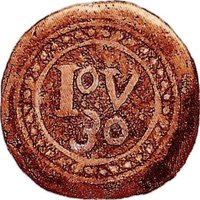
Reverse
Description:
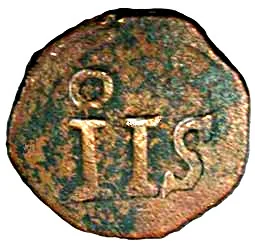
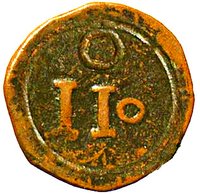
Ioanes's mark: "I" for the king, "IS" (15, sometimes with inverted S).
Inscription:
o
I I5
I I5
Script: Latin
Edge
Mintings
| Year | Mint Mark | Mintage | Quality | Collection |
|---|---|---|---|---|
| — | — | — |
Historical background
In 1725, the currency situation in the Mozambique region was a complex tapestry of local, regional, and international systems, primarily driven by its role as a critical node in the Indian Ocean trade network. The official currency, imposed by the Portuguese colonial authorities based at the Island of Mozambique, was the Portuguese real. However, its circulation was largely confined to the immediate sphere of the prazo (land grant) estates and administrative centers. The colonial state suffered from a chronic shortage of specie (minted coin), leading to frequent use of commodity money and barter even in official transactions, with cloth, beads, and zimbos (sea shells) serving as common mediums of exchange, especially in the interior.
Beyond Portuguese control, the wider Swahili Coast and interior trade were dominated by the silver Spanish dollar or piece of eight, a truly global currency that arrived via trade with Arabia, India, and the Americas. Gold dust, mined in the kingdoms of the interior like the Mwenemutapa confederation, was another crucial currency, often measured in miticals (a unit of weight). Most significant, however, were cloth currencies—specifically high-quality Indian cotton textiles like surat cloths—which were imported in vast quantities and served as a primary store of value and unit of account for everything from local purchases to the payment of tribute and taxes.
Thus, the monetary landscape was one of layered and competing systems. A Portuguese settler might keep accounts in réis, pay for supplies with bolts of cloth, and receive payment for exported ivory in gold dust or Spanish coins. This multiplicity reflected Mozambique’s position: administratively tied to a cash-poor Portuguese empire, yet economically integrated into the vibrant and sophisticated trading circuits of the Indian Ocean, where commodity currencies and silver dollars held more practical sway than the official coin of the colonial power.
Beyond Portuguese control, the wider Swahili Coast and interior trade were dominated by the silver Spanish dollar or piece of eight, a truly global currency that arrived via trade with Arabia, India, and the Americas. Gold dust, mined in the kingdoms of the interior like the Mwenemutapa confederation, was another crucial currency, often measured in miticals (a unit of weight). Most significant, however, were cloth currencies—specifically high-quality Indian cotton textiles like surat cloths—which were imported in vast quantities and served as a primary store of value and unit of account for everything from local purchases to the payment of tribute and taxes.
Thus, the monetary landscape was one of layered and competing systems. A Portuguese settler might keep accounts in réis, pay for supplies with bolts of cloth, and receive payment for exported ivory in gold dust or Spanish coins. This multiplicity reflected Mozambique’s position: administratively tied to a cash-poor Portuguese empire, yet economically integrated into the vibrant and sophisticated trading circuits of the Indian Ocean, where commodity currencies and silver dollars held more practical sway than the official coin of the colonial power.
💎 Extremely Rare