

1 rupee – Chandannagar
Add to wishlist
India
Context
Material
References
KM: #
Numista: #45666
Value
Bullion value: $29.78
Obverse
Reverse
Edge
Plain
Mints
| Name | Mark |
|---|---|
| Arcot | — |
Mintings
| Year | Mint Mark | Mintage | Quality | Collection |
|---|---|---|---|---|
| 1738 | — | — | ||
| 1739 | — | — | ||
| 1740 | — | — |
Historical background
In 1738, Chandannagar was a prosperous French colonial enclave on the Hooghly River in Bengal, operating under the commercial and administrative control of the French East India Company. Its currency situation was inherently complex and pluralistic, reflecting its position at the crossroads of European colonial trade and powerful indigenous economies. The primary medium of large-scale trade and Company accounting was the French livre, but this was largely a unit of account. Physical currency in circulation was a diverse mix, dominated by silver rupees from neighboring Mughal territories and other European trading companies, particularly the Arcot rupee from the south and the Sicca rupee minted in Bengal. These coins were valued by weight and purity, creating a dynamic and often fluctuating exchange environment.
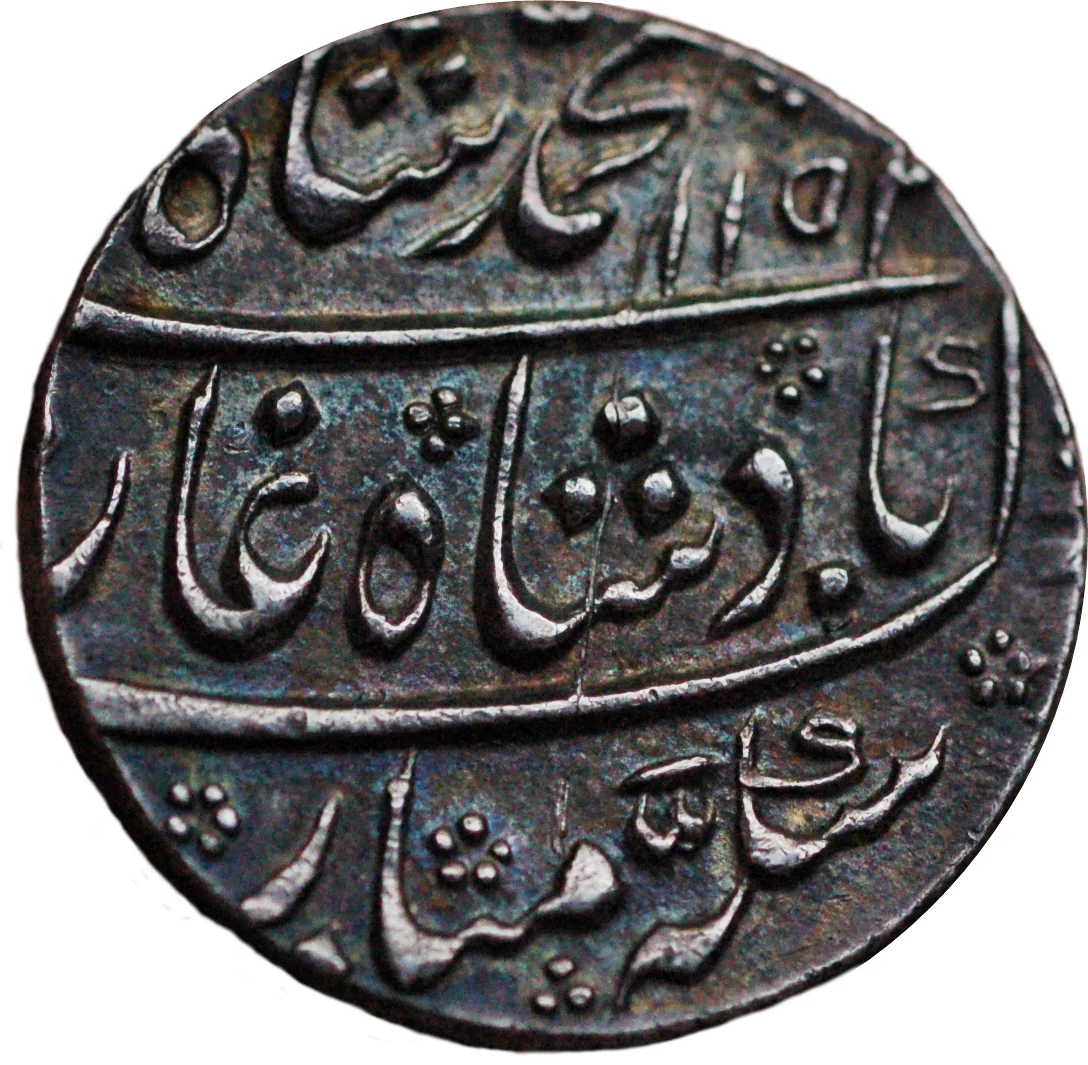
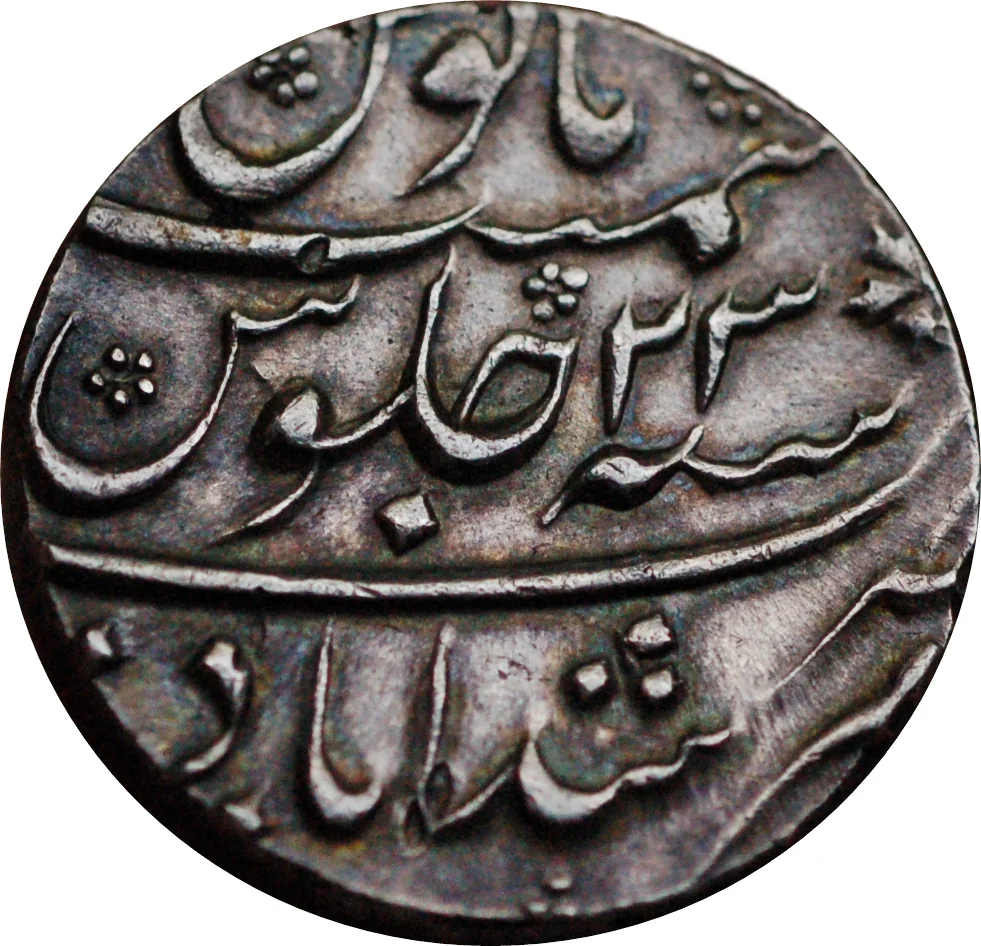
The French administration attempted to impose order by minting its own coins, a practice begun in the previous decade. The most notable of these were the "Chandernagore Rupee" and its fractional coins (like the 8-anna piece), which bore Persian inscriptions to facilitate local trade. However, these issues were limited in quantity and could not displace the vast volume of Mughal and other European currencies already in use. Consequently, the bazaars of Chandannagar functioned on a daily basis through a system of triangulated exchange, where merchants and money-changers (shroffs) constantly assessed the metallic content and market trust in dozens of different coin types.
This monetary pluralism was a direct consequence of Chandannagar’s role as a trading hub. Its economy was deeply integrated into regional networks where goods were purchased with rupees, while its official ledger books were kept in livres. The situation demanded expertise from merchants, as profit margins could be easily eroded by unfavorable exchange rates or debased coinage. Thus, in 1738, Chandannagar’s currency landscape was less a unified system and more a competitive marketplace of metal and trust, emblematic of the wider economic rivalry between European companies and their reliance on the enduring monetary structures of Mughal India.
The French administration attempted to impose order by minting its own coins, a practice begun in the previous decade. The most notable of these were the "Chandernagore Rupee" and its fractional coins (like the 8-anna piece), which bore Persian inscriptions to facilitate local trade. However, these issues were limited in quantity and could not displace the vast volume of Mughal and other European currencies already in use. Consequently, the bazaars of Chandannagar functioned on a daily basis through a system of triangulated exchange, where merchants and money-changers (shroffs) constantly assessed the metallic content and market trust in dozens of different coin types.
This monetary pluralism was a direct consequence of Chandannagar’s role as a trading hub. Its economy was deeply integrated into regional networks where goods were purchased with rupees, while its official ledger books were kept in livres. The situation demanded expertise from merchants, as profit margins could be easily eroded by unfavorable exchange rates or debased coinage. Thus, in 1738, Chandannagar’s currency landscape was less a unified system and more a competitive marketplace of metal and trust, emblematic of the wider economic rivalry between European companies and their reliance on the enduring monetary structures of Mughal India.

✨ Legendary