

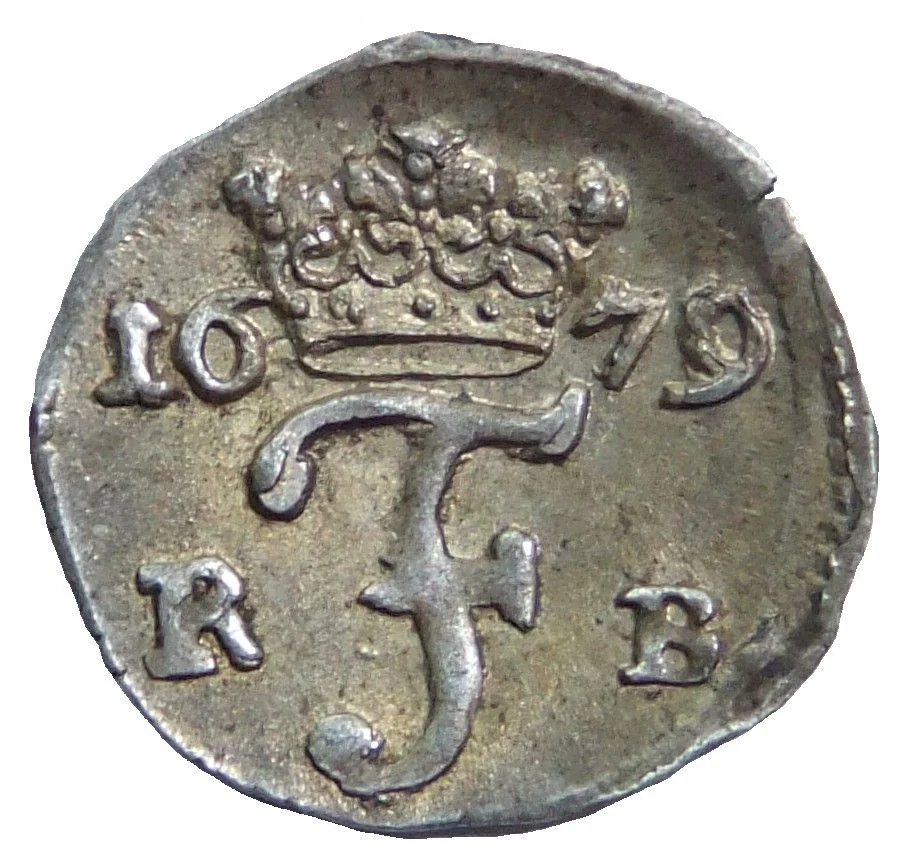
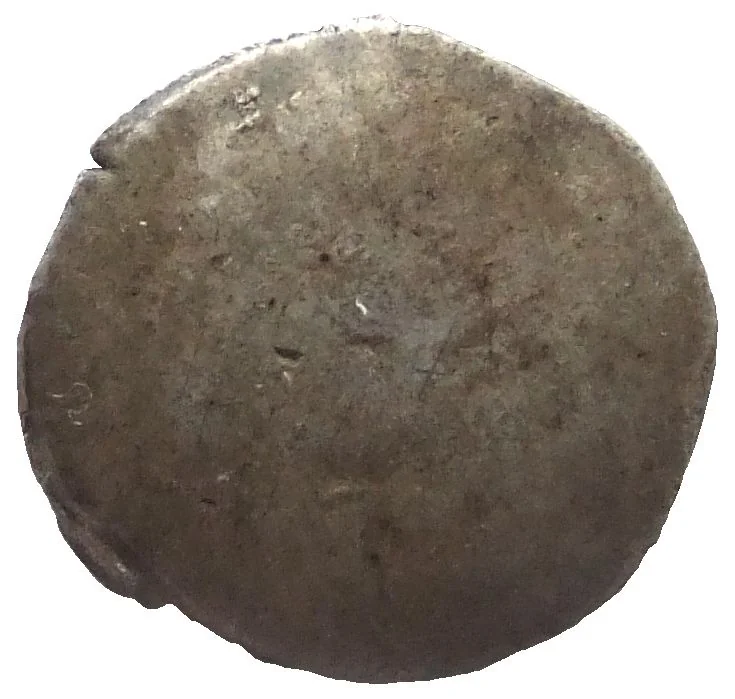
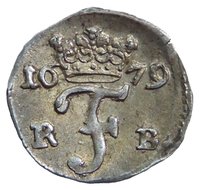
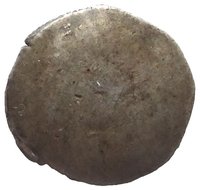
1 Pfennig – Brunswick-Lüneburg-Calenberg
Germany
Context
Years: 1665–1679
Country: Germany 
Issuer: Brunswick-Lüneburg-Calenberg
Ruler: John Frederick
Currency:
Demonetized: Yes
Material
References
KM: #Click to copy to clipboard86
Numista: #456362
Value
Bullion value: $0.86
Mints
| Name | Mark |
|---|---|
| Clausthal | — |
| Zellerfeld | — |
Mintings
| Year | Mint Mark | Mintage | Quality | Collection |
|---|---|---|---|---|
| 1665 | — | — | ||
| 1666 | — | — | ||
| 1667 | — | — | ||
| 1668 | — | — | ||
| 1669 | — | — | ||
| 1670 | — | — | ||
| 1671 | — | — | ||
| 1672 | — | — | ||
| 1673 | — | — | ||
| 1675 | — | — | ||
| 1677 | — | — | ||
| 1678 | — | — | ||
| 1679 | — | — |
Historical background
In 1665, the currency situation in the Principality of Calenberg (a division of the larger Duchy of Brunswick-Lüneburg) was characterized by significant instability and complexity, a common challenge across the German states following the Thirty Years' War. The monetary system was fragmented, with a multitude of different coins in circulation. These included not only locally minted issues from the Hanoverian rulers but also a flood of foreign coins, particularly from neighboring states like Brunswick-Wolfenbüttel and even Dutch and Imperial currencies. This proliferation led to confusion in trade and facilitated widespread debasement, where the precious metal content of coins was reduced, eroding public trust.
The core of the problem lay in the absence of a uniform, state-controlled currency. Authority over minting was often leased to private individuals or consortiums known as mint masters, who were incentivized to produce inferior coinage for profit. This practice, known as Kipper- und Wipperzeit, had peaked earlier in the century but left a lasting legacy of monetary disorder. For Duke John Frederick, who ruled Calenberg from 1665, this situation hampered economic development, state finance, and administrative control. The devalued and chaotic currency complicated tax collection and state payments, creating a persistent fiscal headache.
Consequently, the year 1665 fell within a period of active, though difficult, reform. John Frederick and his successors recognized the need for stabilization and worked toward establishing a more reliable Reichsthaler standard, aligning with broader Imperial attempts at regulation. The process was gradual, requiring treaties with neighboring princes to curb competitive debasement. Thus, the currency situation in 1665 was one of transition—marked by the lingering chaos of the past but under increasing pressure from the ruler for systematic reform to foster economic coherence and princely authority.
The core of the problem lay in the absence of a uniform, state-controlled currency. Authority over minting was often leased to private individuals or consortiums known as mint masters, who were incentivized to produce inferior coinage for profit. This practice, known as Kipper- und Wipperzeit, had peaked earlier in the century but left a lasting legacy of monetary disorder. For Duke John Frederick, who ruled Calenberg from 1665, this situation hampered economic development, state finance, and administrative control. The devalued and chaotic currency complicated tax collection and state payments, creating a persistent fiscal headache.
Consequently, the year 1665 fell within a period of active, though difficult, reform. John Frederick and his successors recognized the need for stabilization and worked toward establishing a more reliable Reichsthaler standard, aligning with broader Imperial attempts at regulation. The process was gradual, requiring treaties with neighboring princes to curb competitive debasement. Thus, the currency situation in 1665 was one of transition—marked by the lingering chaos of the past but under increasing pressure from the ruler for systematic reform to foster economic coherence and princely authority.
✨ Legendary