

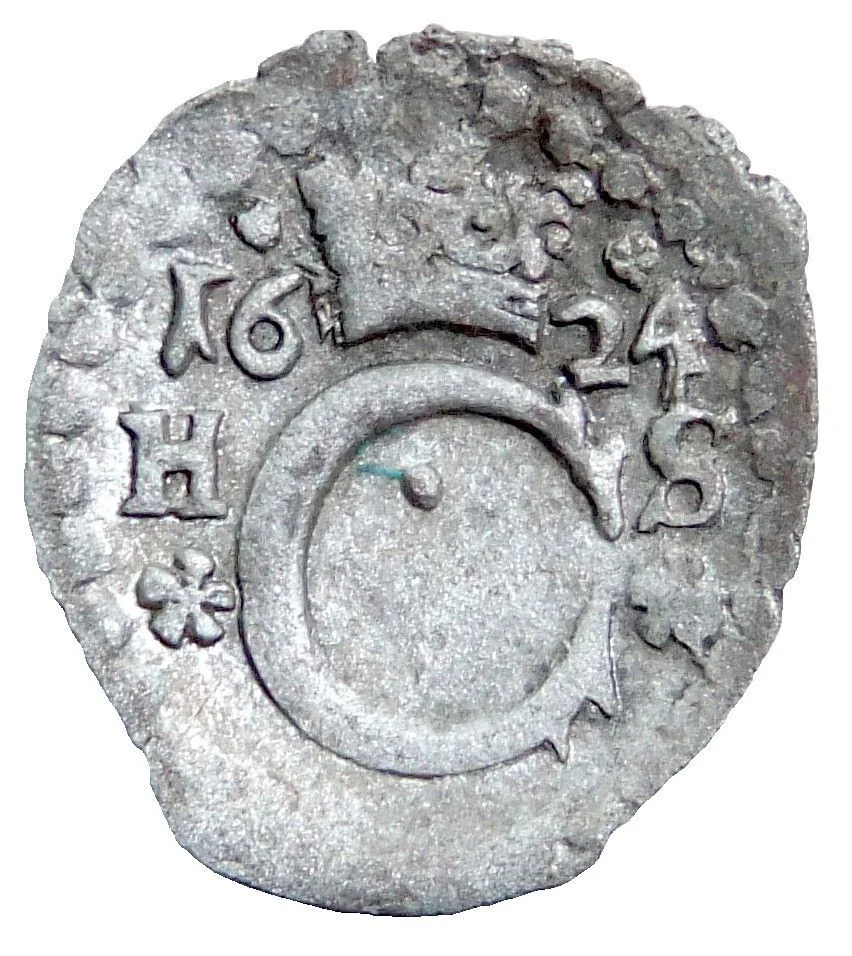
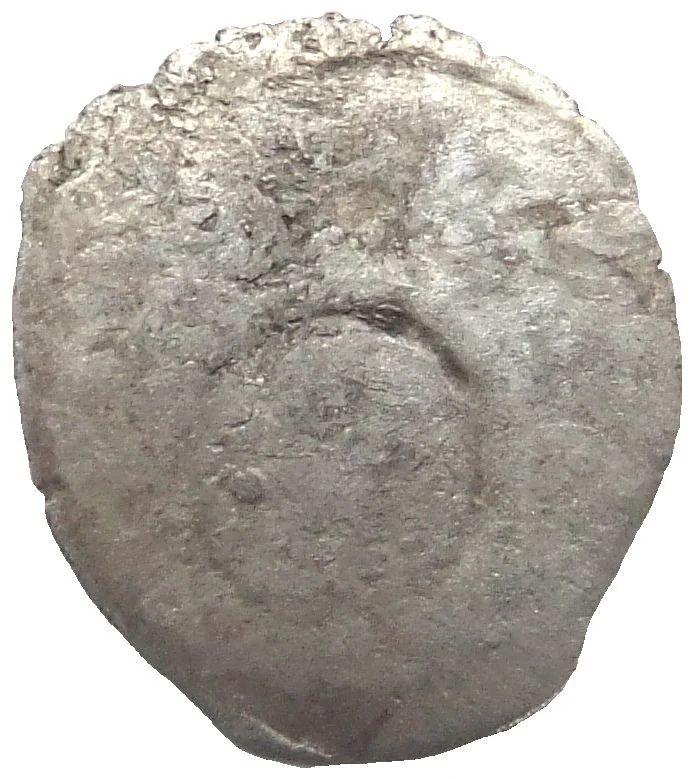
1 Pfennig – Brunswick-Lüneburg-Celle
Germany
Context
Years: 1623–1633
Country: Germany 
Issuer: Brunswick-Lüneburg-Celle
Ruler: Christian
Currency:
Demonetized: Yes
Material
References
KM: #Click to copy to clipboard59
Numista: #456139
Value
Bullion value: $1.16
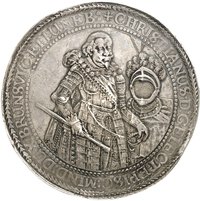
Obverse
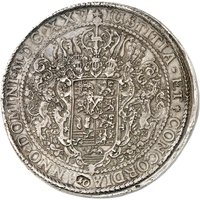
Reverse
Edge
Mints
| Name | Mark |
|---|---|
| Katlenburg | — |
| Osterode am Harz | — |
| Zellerfeld | — |
Mintings
| Year | Mint Mark | Mintage | Quality | Collection |
|---|---|---|---|---|
| 1623 | — | — | ||
| 1624 | — | — | ||
| 1625 | — | — | ||
| 1633 | — | — |
Historical background
In 1623, the Duchy of Brunswick-Lüneburg, specifically the Principality of Celle under Duke Christian the Elder, was grappling with severe monetary instability, a microcosm of the wider crisis engulfing the Holy Roman Empire during the early Thirty Years' War. The primary issue was the rapid debasement of coinage, known as Kipper- und Wipperzeit (Clipping and Swinging Time). Unscrupulous mint operators and even territorial princes, facing immense war expenses and seeking quick profit, were systematically reducing the precious metal content in coins while maintaining their face value, flooding the economy with worthless currency.
This deliberate debasement led to catastrophic inflation and a breakdown of trade. Good, full-weight coins were hoarded or melted down, while the debased coins circulated at a fraction of their nominal worth, destroying public trust. For Celle, this economic chaos disrupted local markets, increased the cost of maintaining its military levies, and caused hardship for the population, as wages failed to keep pace with soaring prices for basic goods.
While a direct response specifically for Celle in 1623 is less documented, the crisis prompted imperial action. Later that same year, the Reichstag in Regensburg passed a currency ordinance aiming to restore the old imperial coinage standard. However, enforcement was weak amidst the ongoing war, and the monetary disorder persisted for several more years until exhaustion of resources and concerted political efforts gradually stabilized the currency system in the later 1620s.
This deliberate debasement led to catastrophic inflation and a breakdown of trade. Good, full-weight coins were hoarded or melted down, while the debased coins circulated at a fraction of their nominal worth, destroying public trust. For Celle, this economic chaos disrupted local markets, increased the cost of maintaining its military levies, and caused hardship for the population, as wages failed to keep pace with soaring prices for basic goods.
While a direct response specifically for Celle in 1623 is less documented, the crisis prompted imperial action. Later that same year, the Reichstag in Regensburg passed a currency ordinance aiming to restore the old imperial coinage standard. However, enforcement was weak amidst the ongoing war, and the monetary disorder persisted for several more years until exhaustion of resources and concerted political efforts gradually stabilized the currency system in the later 1620s.
✨ Legendary