

2 scudi – Malta
Add to wishlist
Malta
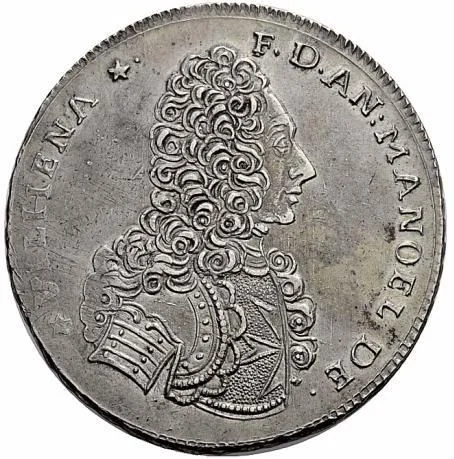
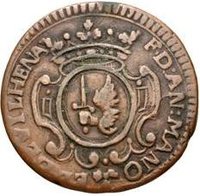
Obverse
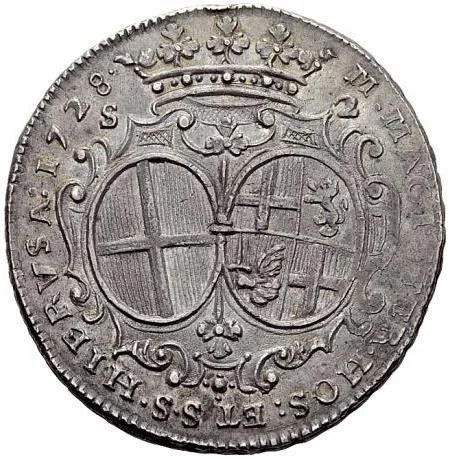
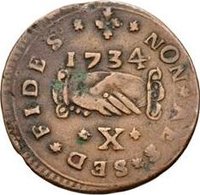
Reverse
Description:
Two crowned coats of arms.
Inscription:
M MAGISTER HOS ET S S HIERVSA 1728
Script: Latin
Edge
Mintings
| Year | Mint Mark | Mintage | Quality | Collection |
|---|---|---|---|---|
| 1728 | — | — |
Historical background
In 1728, Malta's currency situation was complex and challenging, reflecting its unique position as a strategic Mediterranean hub under the rule of the Knights of St. John. The primary unit of account was the Maltese scudo, but the islands were awash with a bewildering variety of physical coins from across Europe and the Ottoman sphere. Spanish pieces of eight, Venetian sequins, French écus, and Turkish piastres all circulated freely, their values fluctuating based on weight, metal content, and market confidence. This created a chaotic commercial environment where exchange was cumbersome and prone to disputes, hindering both local trade and the Knights' extensive financial operations.
The root of the problem lay in the Knights' limited sovereign right to mint coinage. While they produced small copper grani and tari for local use, they lacked the authority to strike their own full-value gold and silver coins, a privilege reserved by treaty for the King of Sicily. Consequently, Malta suffered from a chronic shortage of high-quality specie. To facilitate larger transactions, merchants and officials relied heavily on overstamped foreign coins, particularly Spanish silver, which were countermarked with the Maltese cross to validate their legal value within the islands. This practice, however, was an imperfect solution that did not address the underlying instability.
This monetary confusion directly impacted the economy, complicating tax collection, government contracts, and the Knights' ambitious fortification projects. It also placed ordinary Maltese at a disadvantage in daily commerce. While there were discussions among the Order's treasury about monetary reform, 1728 fell within a period of persistent instability that would only be partially addressed later in the century with more systematic attempts to regulate exchange rates and introduce a more standardized, albeit still foreign-based, coinage system. The situation underscored the islands' dependent economic status despite their formidable military reputation.
The root of the problem lay in the Knights' limited sovereign right to mint coinage. While they produced small copper grani and tari for local use, they lacked the authority to strike their own full-value gold and silver coins, a privilege reserved by treaty for the King of Sicily. Consequently, Malta suffered from a chronic shortage of high-quality specie. To facilitate larger transactions, merchants and officials relied heavily on overstamped foreign coins, particularly Spanish silver, which were countermarked with the Maltese cross to validate their legal value within the islands. This practice, however, was an imperfect solution that did not address the underlying instability.
This monetary confusion directly impacted the economy, complicating tax collection, government contracts, and the Knights' ambitious fortification projects. It also placed ordinary Maltese at a disadvantage in daily commerce. While there were discussions among the Order's treasury about monetary reform, 1728 fell within a period of persistent instability that would only be partially addressed later in the century with more systematic attempts to regulate exchange rates and introduce a more standardized, albeit still foreign-based, coinage system. The situation underscored the islands' dependent economic status despite their formidable military reputation.
✨ Legendary