

1 Tari – Malta
Malta
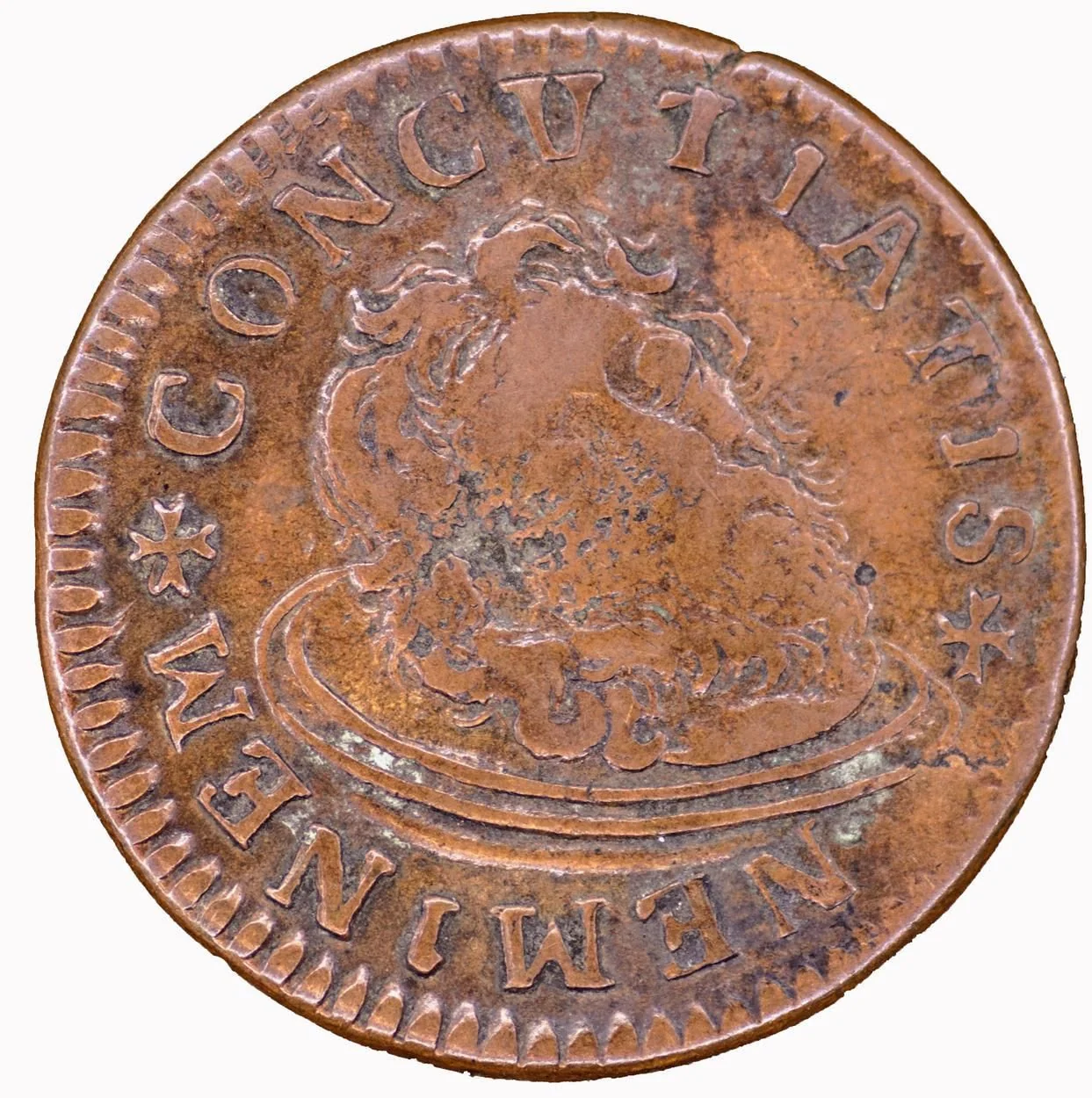
Obverse
Description:
John the Baptist's head on a platter.
Inscription:
+ CONCVTIATIS + NEMINEM
Script: Latin
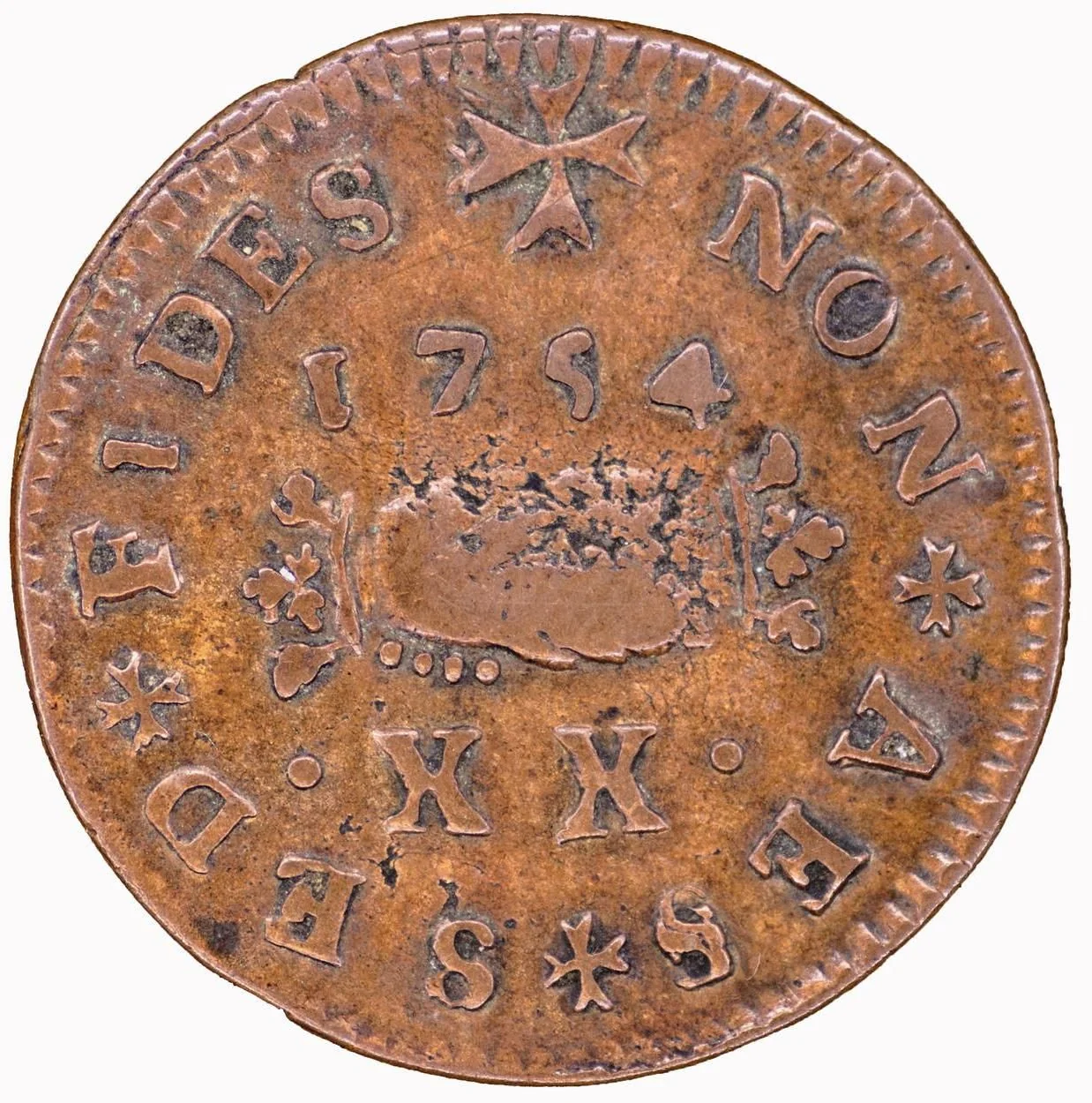
Reverse
Description:
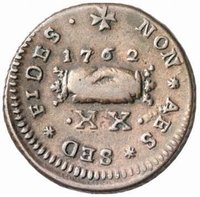
Clasped hands above date, denomination below. Legend separated by Maltese crosses.
Inscription:
NON + AES + SED + FIDES.
1754
·XX·
1754
·XX·
Script: Latin
Edge
Mintings
| Year | Mint Mark | Mintage | Quality | Collection |
|---|---|---|---|---|
| 1754 | — | — | ||
| 1755 | — | — | ||
| 1757 | — | — |
Historical background
In 1754, Malta’s currency situation was a complex and problematic tapestry of multiple circulating coins, reflecting its position as a bustling crossroads of Mediterranean trade. The islands, ruled by the Sovereign Military Order of St. John, did not mint their own official currency for general circulation. Instead, a plethora of foreign coins—primarily Spanish silver pieces of eight (reales) and their fractional parts, Ottoman kuruş, Venetian scudi and zecchini, and French écus—circulated side-by-side. This created a chaotic system where merchants and officials had to be conversant in the weight, fineness, and fluctuating exchange rates of dozens of different coins, leading to frequent disputes and commercial inefficiency.
The primary unit of account for official and large transactions was the Scudo, divided into 12 Tari, each of 20 Grani. However, this was a theoretical monetary standard used for bookkeeping; actual payments were made in a mix of physical foreign coins valued against this notional scudo. The Order did strike limited commemorative and ceremonial coins at its mint, but these were not intended to solve the everyday currency chaos. The system was inherently unstable, as the intrinsic value of the foreign silver and gold coins often exceeded their assigned tariff value in scudi, leading to the export of full-weight coins and a chronic shortage of sound money.
Recognising the hindrance this posed to commerce and public administration, the Order was actively seeking reform in this period. In fact, the year 1754 falls within a significant decade of monetary transition. Following a detailed report on the currency disorder, the Order would soon take decisive action. Just three years later, in 1757, it would begin issuing a new, unified copper coinage (the Grano and Tari) to facilitate small transactions, followed by the landmark introduction of the first regular Maltese silver scudo coins in 1760, marking the first major step toward a standardized national currency system.
The primary unit of account for official and large transactions was the Scudo, divided into 12 Tari, each of 20 Grani. However, this was a theoretical monetary standard used for bookkeeping; actual payments were made in a mix of physical foreign coins valued against this notional scudo. The Order did strike limited commemorative and ceremonial coins at its mint, but these were not intended to solve the everyday currency chaos. The system was inherently unstable, as the intrinsic value of the foreign silver and gold coins often exceeded their assigned tariff value in scudi, leading to the export of full-weight coins and a chronic shortage of sound money.
Recognising the hindrance this posed to commerce and public administration, the Order was actively seeking reform in this period. In fact, the year 1754 falls within a significant decade of monetary transition. Following a detailed report on the currency disorder, the Order would soon take decisive action. Just three years later, in 1757, it would begin issuing a new, unified copper coinage (the Grano and Tari) to facilitate small transactions, followed by the landmark introduction of the first regular Maltese silver scudo coins in 1760, marking the first major step toward a standardized national currency system.
✨ Legendary