

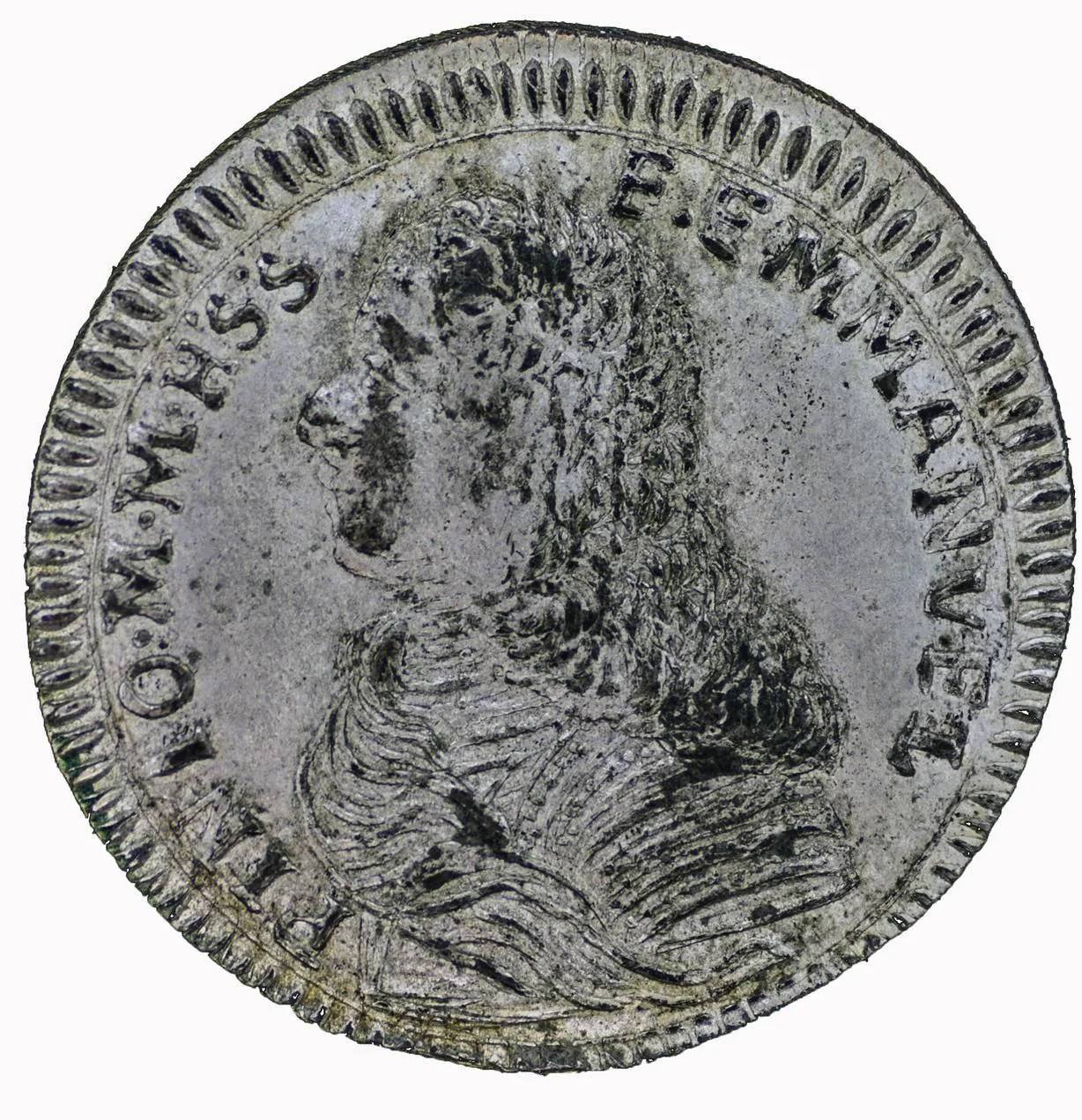
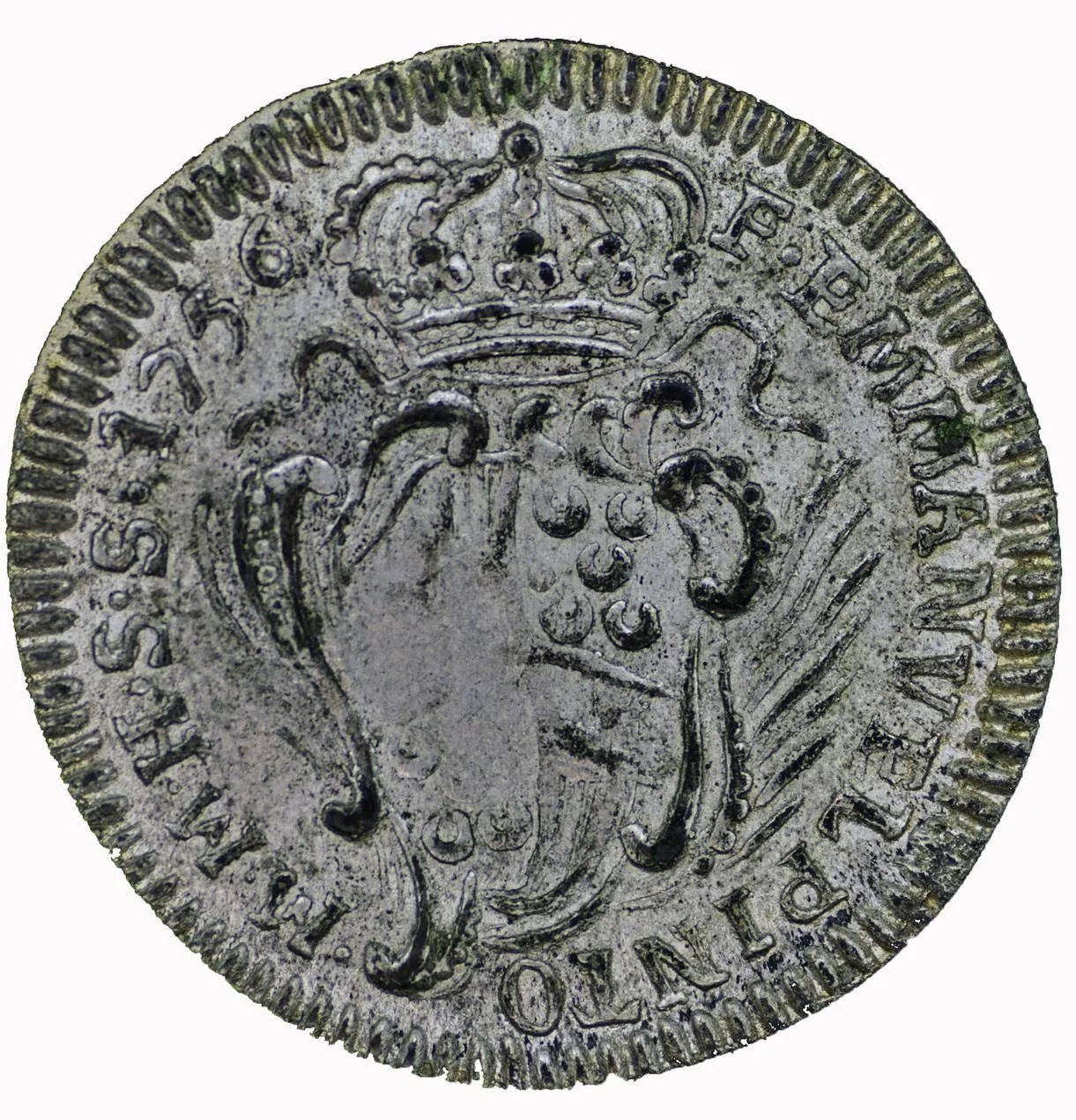
4 tari – Malta
Add to wishlist
Malta
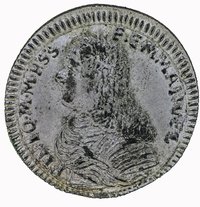
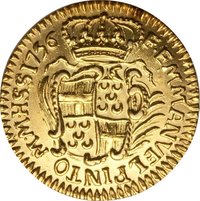
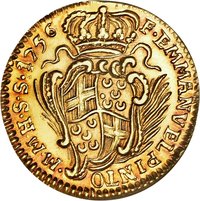
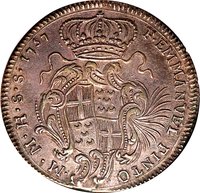
Obverse
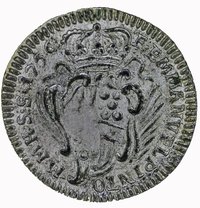
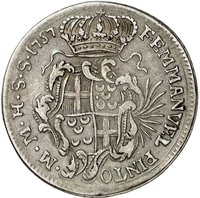
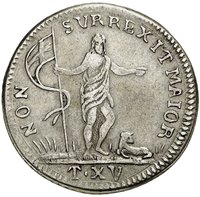
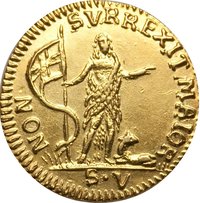
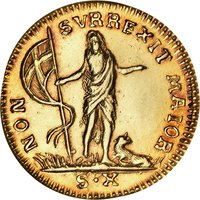
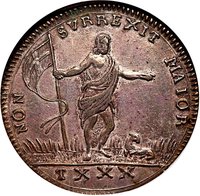
Reverse
Edge
Mintings
| Year | Mint Mark | Mintage | Quality | Collection |
|---|---|---|---|---|
| 1756 | — | — | ||
| 1761 | — | — |
Historical background
In 1756, Malta's currency situation was a complex tapestry of multiple circulating coins, reflecting its strategic position in the Mediterranean and its status as the domain of the Sovereign Military Order of St. John. The official currency was the scudo, divided into 12 tari, each of 20 grani. However, the economy was dominated by a flood of foreign silver, particularly large quantities of Spanish pieces of eight (reales) and their fractional coins, which were the lifeblood of regional trade. The Order also minted its own distinctive copper grani and silver tari and scudi at the Malta Mint, but these often struggled to hold their own against the more prevalent and trusted foreign specie.
This monetary plurality created significant challenges. Exchange rates between the local scudo, the Spanish pieces of eight, and other coins like Venetian sequins and Sicilian piastres were fluid and a source of confusion and potential fraud. Furthermore, the chronic shortage of small change for everyday transactions led to the widespread practice of cutting foreign silver coins into halves and quarters (literally "pieces of eight"), which further complicated commerce. The Knights' government issued periodic proclamations to fix exchange rates, but these were difficult to enforce in a bustling port where international merchants and corsairs all brought their own coinage.
Underlying this chaotic circulation was a deeper fiscal strain. The Order of St. John, while militarily formidable, often faced financial difficulties. Revenue from its European estates was erratic, and the cost of maintaining its fleet and fortifications was immense. Consequently, the state occasionally resorted to debasing its own coinage or issuing low-quality copper to meet expenses, which eroded public trust. Thus, in 1756, Malta's monetary system was a fragile and unwieldy hybrid, caught between the Order's desire for sovereign control and the practical realities of a mercantile hub dependent on the ebb and flow of foreign silver.
This monetary plurality created significant challenges. Exchange rates between the local scudo, the Spanish pieces of eight, and other coins like Venetian sequins and Sicilian piastres were fluid and a source of confusion and potential fraud. Furthermore, the chronic shortage of small change for everyday transactions led to the widespread practice of cutting foreign silver coins into halves and quarters (literally "pieces of eight"), which further complicated commerce. The Knights' government issued periodic proclamations to fix exchange rates, but these were difficult to enforce in a bustling port where international merchants and corsairs all brought their own coinage.
Underlying this chaotic circulation was a deeper fiscal strain. The Order of St. John, while militarily formidable, often faced financial difficulties. Revenue from its European estates was erratic, and the cost of maintaining its fleet and fortifications was immense. Consequently, the state occasionally resorted to debasing its own coinage or issuing low-quality copper to meet expenses, which eroded public trust. Thus, in 1756, Malta's monetary system was a fragile and unwieldy hybrid, caught between the Order's desire for sovereign control and the practical realities of a mercantile hub dependent on the ebb and flow of foreign silver.
Series: 1756 Malta circulation coins
✨ Legendary