Logo Title
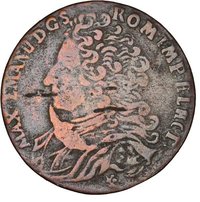
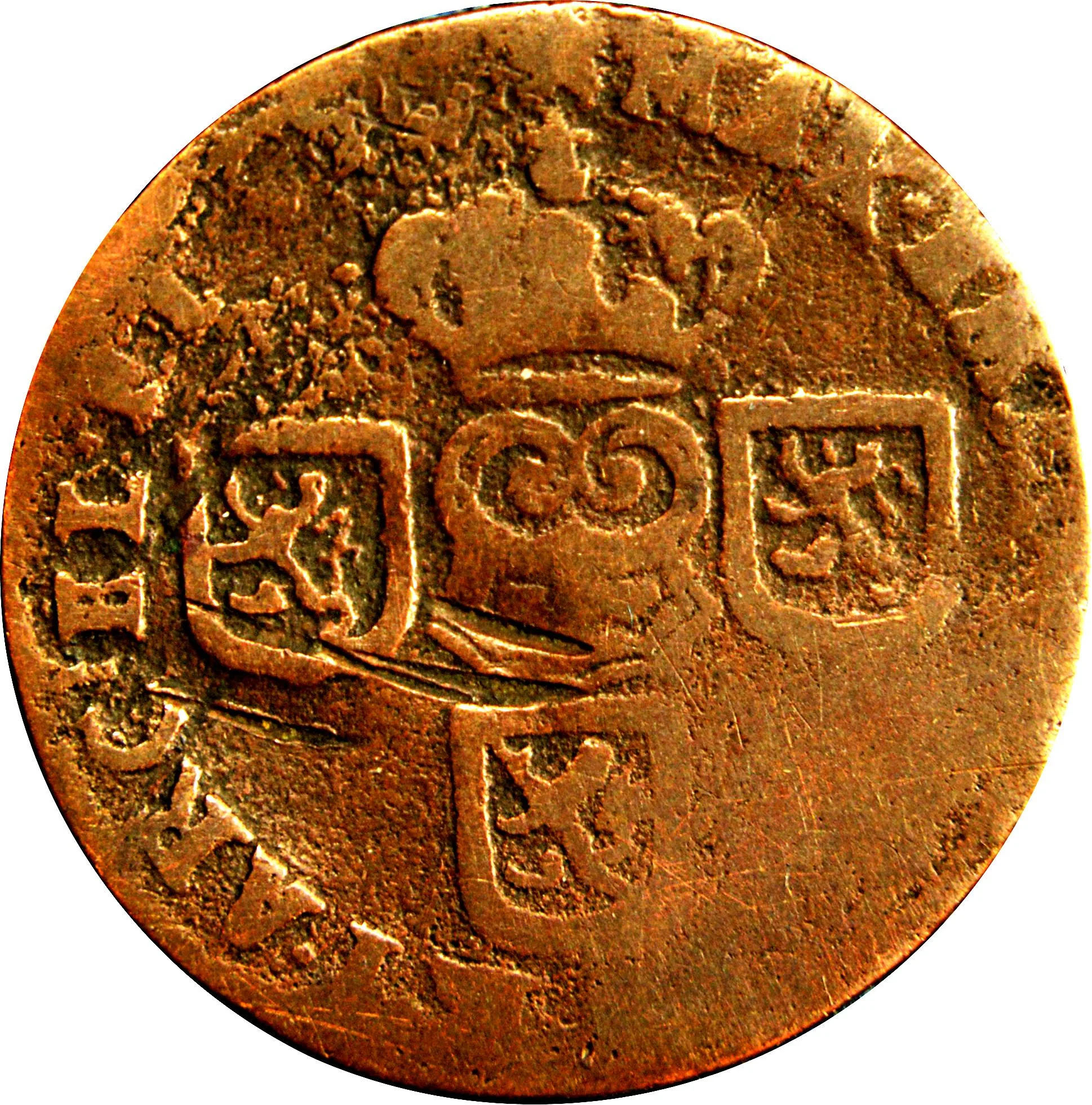
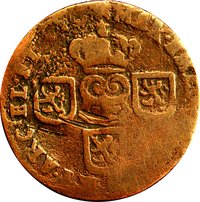
obverse
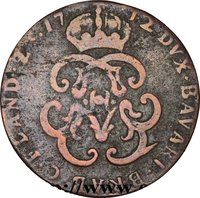
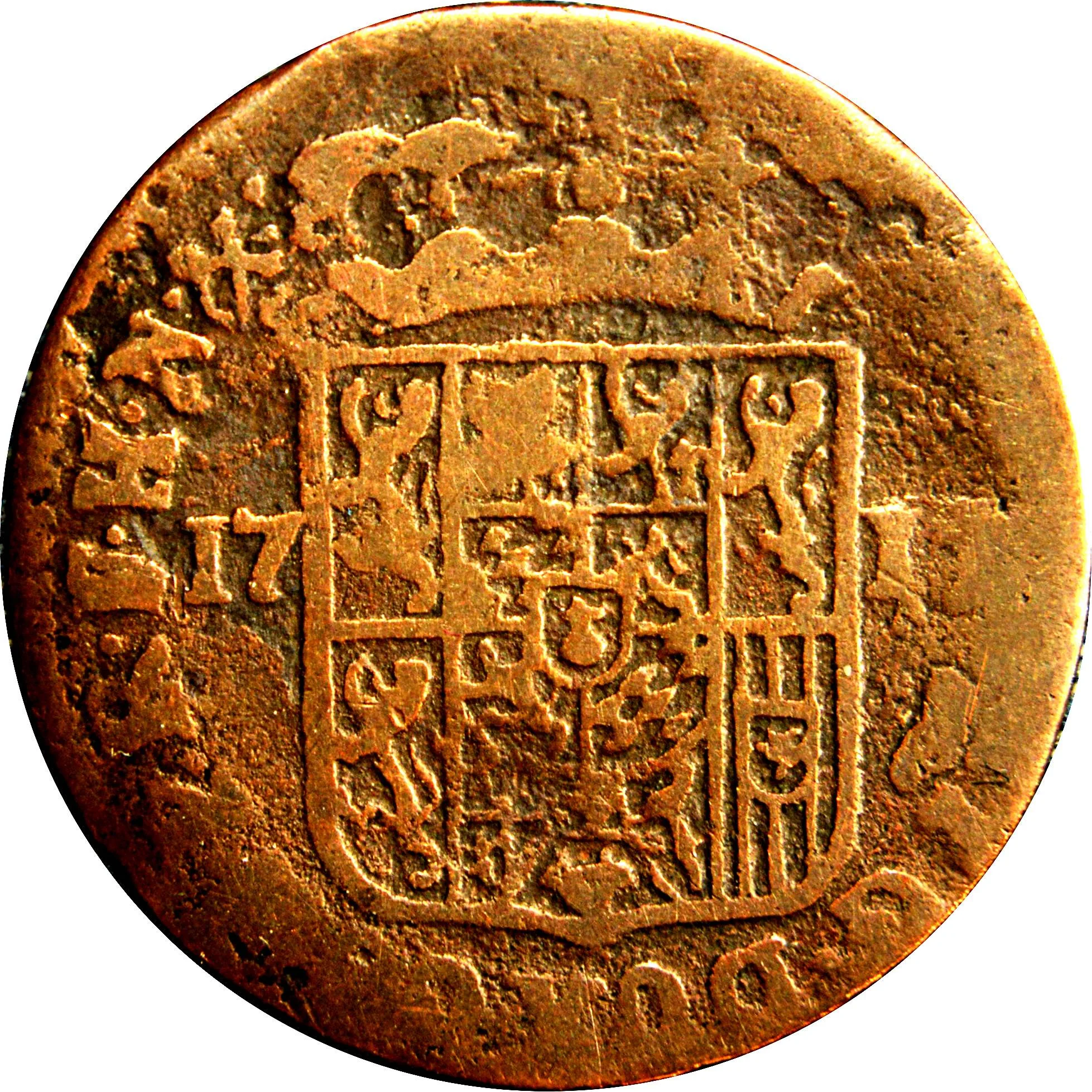
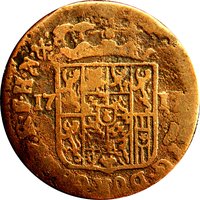
reverse
smy77 CC BY-NC-SA
Context
Year: 1712
Country: Belgium Country flag
Currency:
(1506—1713)
Demonetized: Yes
Material
Diameter: 23.15 mm
Weight: 3.82 g
Thickness: 0.88 mm
Shape: Round
Composition: Copper
Magnetic: No
Alignment: Coin alignment
Obverse
OBVERSE ↑
flip
Reverse
REVERSE ↓
References
KM: #Click to copy to clipboard17
Numista: #44729

Obverse

Description:
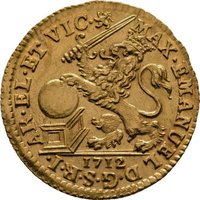
Crowned firesteel, three lion shields around, encircled by a lion-starting legend, all within grentis.
Inscription:
MAX. EMANUEL. D. G. S. R. I. ARC. EL. ET. VIC.
Script: Latin

Reverse

Description:
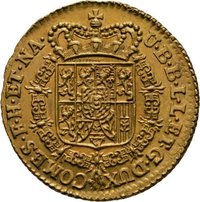
Shield with the arms of the Dutch provinces, a central escutcheon of Bavaria under a ducal crown, flanked by a date and surrounded by a legend within an outer border.
Inscription:
U. B. B. L. L. ET. G. DUX. COM. P. R. F. H. N&

1712
Script: Latin

Edge

Plain

Mintings

YearMint MarkMintageQualityCollection
1712

Historical background

In 1712, the County of Namur, then part of the Spanish Netherlands, was grappling with a complex and degraded monetary situation typical of the wider region. The circulating medium was a chaotic mix of domestic and foreign coins, including Spanish reales, Dutch guilders, French livres, and various German and Italian pieces. Their values were not intrinsic but set by official proclamation, leading to frequent augmentations and diminutions (government-mandated revaluations) that caused confusion, hindered trade, and fostered suspicion. This system was further strained by widespread clipping and counterfeiting of coins, which eroded public trust and effectively created a dual circulation where "good" full-weight coins were hoarded or exported, leaving poorer-quality money in daily use.

The root of this instability lay in the ongoing War of the Spanish Succession (1701-1714), during which Namur had been a battleground. The immense costs of war led successive military occupiers and the Spanish crown to repeatedly debase the coinage—reducing the precious metal content—to finance armies and meet obligations. This created inflationary pressures and meant that the official écu of account existed largely on ledgers, bearing little relation to the jumble of physical coins of fluctuating value actually exchanged in the market. Merchants and money-changers had to constantly refer to lengthy bulletins of current exchange rates to conduct business.

By 1712, the war was winding down, but monetary stability was yet to be restored. The impending transition of Namur to Austrian Habsburg rule under the anticipated terms of the Peace of Utrecht (1713) added another layer of uncertainty. While the new Austrian administration would later attempt comprehensive monetary reforms to standardize and control the currency, in 1712 the county remained in a transitional period of financial exhaustion and monetary disorder, where the primary economic concern for most inhabitants was the unreliable value of the coins in their purses.

Series: 1712 County of Namur circulation coins

1 Liard obverse
1 Liard reverse
1 Liard
1712
1 Liard obverse
1 Liard reverse
1 Liard
1712-1713
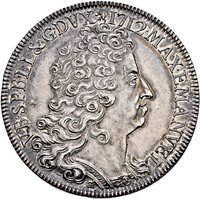
1 Ecu obverse
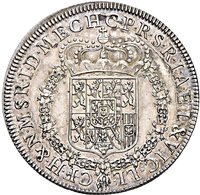
1 Ecu reverse
1 Ecu
1712
1 Sovereign obverse
1 Sovereign reverse
1 Sovereign
1712
🌟 Limited