

2 mun – Joseon
Add to wishlist
Context
Material
Diameter: 30 mm
Weight: 6.75 g
Thickness: 1 mm
Shape: Round with a square hole
Composition: Bronze
Magnetic: No
Technique: Cast
Alignment: Medal alignment
flip
References
KM: #
Numista: #446352
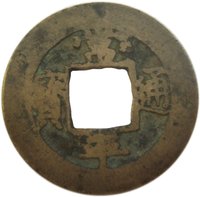
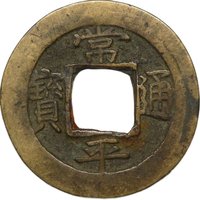
Obverse
Description:
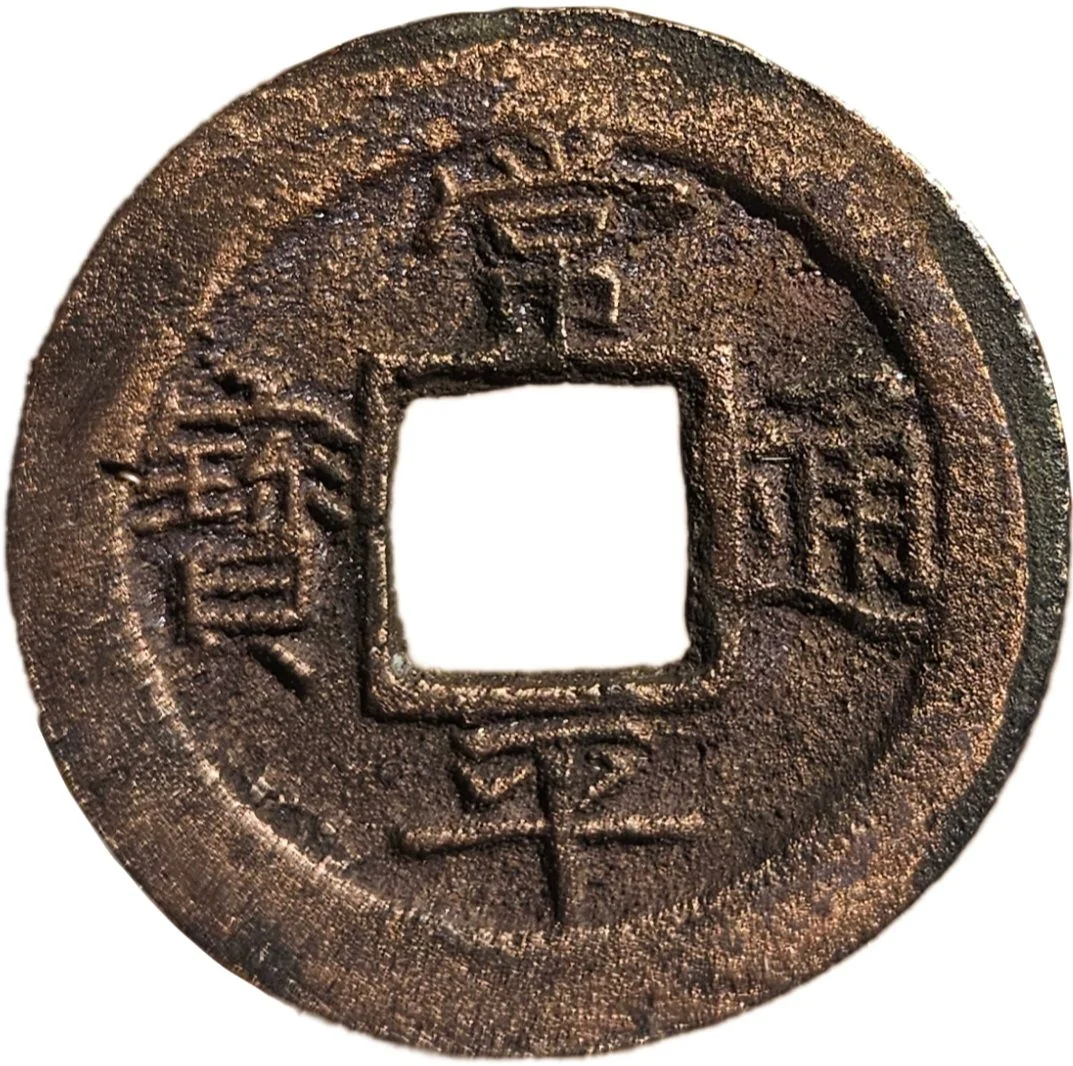
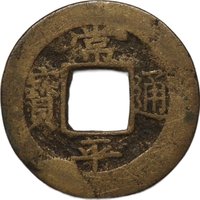
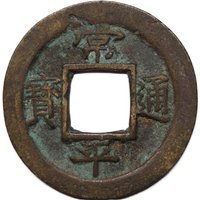
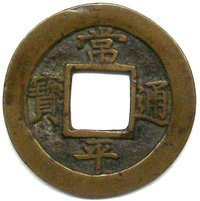
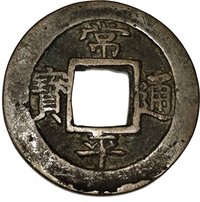
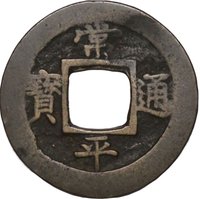
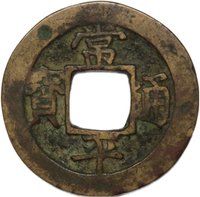
常平通寶 (Sang pyong Tong bo)
Inscription:
常
寶 通
平
寶 通
平
Scripts: Chinese (traditional, regular script)
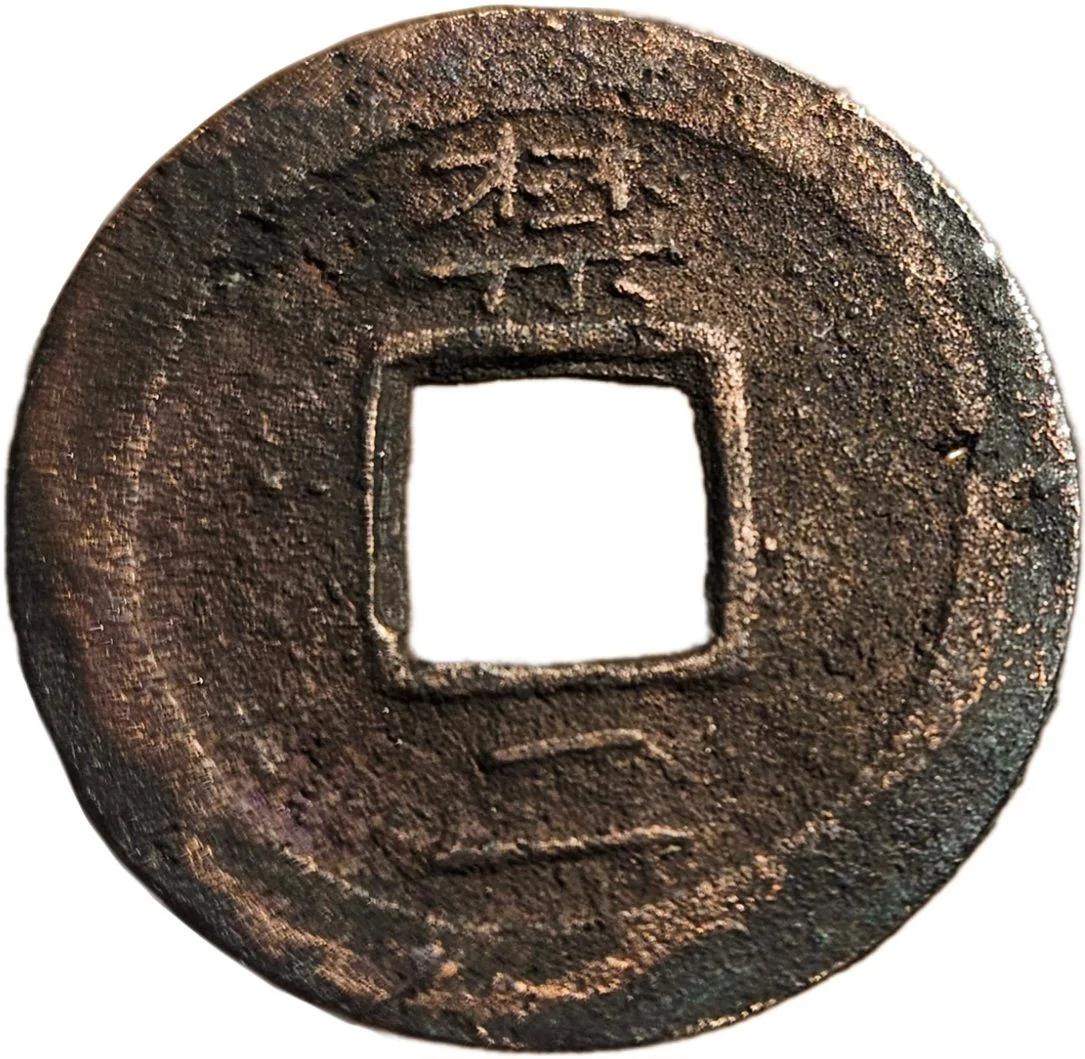
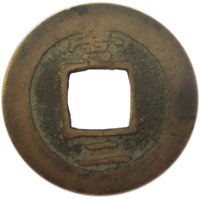
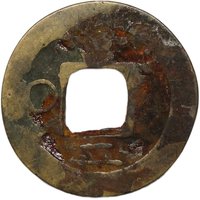
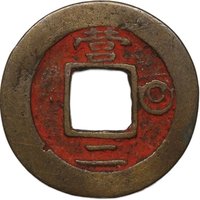
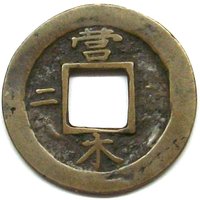
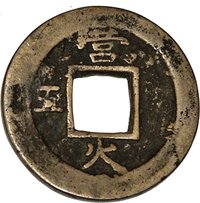
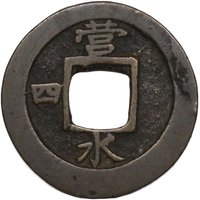
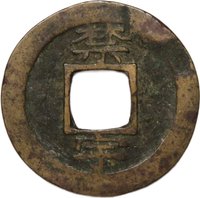
Reverse
Edge
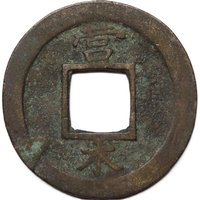
Mints
| Name | Mark |
|---|---|
| Court Guard Military Unit | 禁 |
Mintings
| Year | Mint Mark | Mintage | Quality | Collection |
|---|---|---|---|---|
| 1752 | — | — |
Historical background
In 1752, the currency situation in Joseon Korea was characterized by severe instability and a crisis of confidence, primarily centered on the yeopjeon (葉錢), or cast brass coins. These coins, first minted in the 1670s to supplement the limited supply of Chinese copper cash and silver, had become deeply devalued. Decades of poor-quality minting, private counterfeiting on a massive scale, and a lack of standardized metal content led to rampant inflation. The value of yeopjeon had plummeted so drastically that by the 1750s, it could require a string of hundreds or even thousands of coins for basic transactions, creating physical inconvenience and economic distortion.
This monetary chaos was exacerbated by the government's own fiscal policies. The state often minted new batches of yeopjeon to cover budget shortfalls, further flooding the market and decreasing value. Attempts to intervene, such as setting arbitrary exchange rates between coin and grain, repeatedly failed. The crisis eroded public trust to the point that many people, especially in the countryside, reverted to a barter economy using rice and cotton cloth (pye) as the primary media of exchange, undermining the state's authority and disrupting commercial activity.
The year 1752 fell within the reign of King Yeongjo (r. 1724-1776), a monarch acutely aware of these problems. He had previously attempted reforms, including a major currency recall and re-minting in 1731-32, but the structural issues persisted. The situation in 1752 was part of a prolonged struggle between the court, which sought monetary control, counterfeiters who exploited weak governance, and a populace burdened by an unreliable currency. This ongoing crisis pushed Yeongjo to consider more radical solutions, which would later culminate in his ambitious (and ultimately controversial) Sangpyeong Tongbo (常平通寶) coinage reform of 1757, aiming to establish a stable, standardized currency.
This monetary chaos was exacerbated by the government's own fiscal policies. The state often minted new batches of yeopjeon to cover budget shortfalls, further flooding the market and decreasing value. Attempts to intervene, such as setting arbitrary exchange rates between coin and grain, repeatedly failed. The crisis eroded public trust to the point that many people, especially in the countryside, reverted to a barter economy using rice and cotton cloth (pye) as the primary media of exchange, undermining the state's authority and disrupting commercial activity.
The year 1752 fell within the reign of King Yeongjo (r. 1724-1776), a monarch acutely aware of these problems. He had previously attempted reforms, including a major currency recall and re-minting in 1731-32, but the structural issues persisted. The situation in 1752 was part of a prolonged struggle between the court, which sought monetary control, counterfeiters who exploited weak governance, and a populace burdened by an unreliable currency. This ongoing crisis pushed Yeongjo to consider more radical solutions, which would later culminate in his ambitious (and ultimately controversial) Sangpyeong Tongbo (常平通寶) coinage reform of 1757, aiming to establish a stable, standardized currency.
Series: 1752 Joseon circulation coins
✨ Legendary