

2 speciedaler – Norway
Add to wishlist
Norway
Context
Material
References
KM: #
Numista: #445316
Value
Bullion value: $126.71
Obverse
Description:
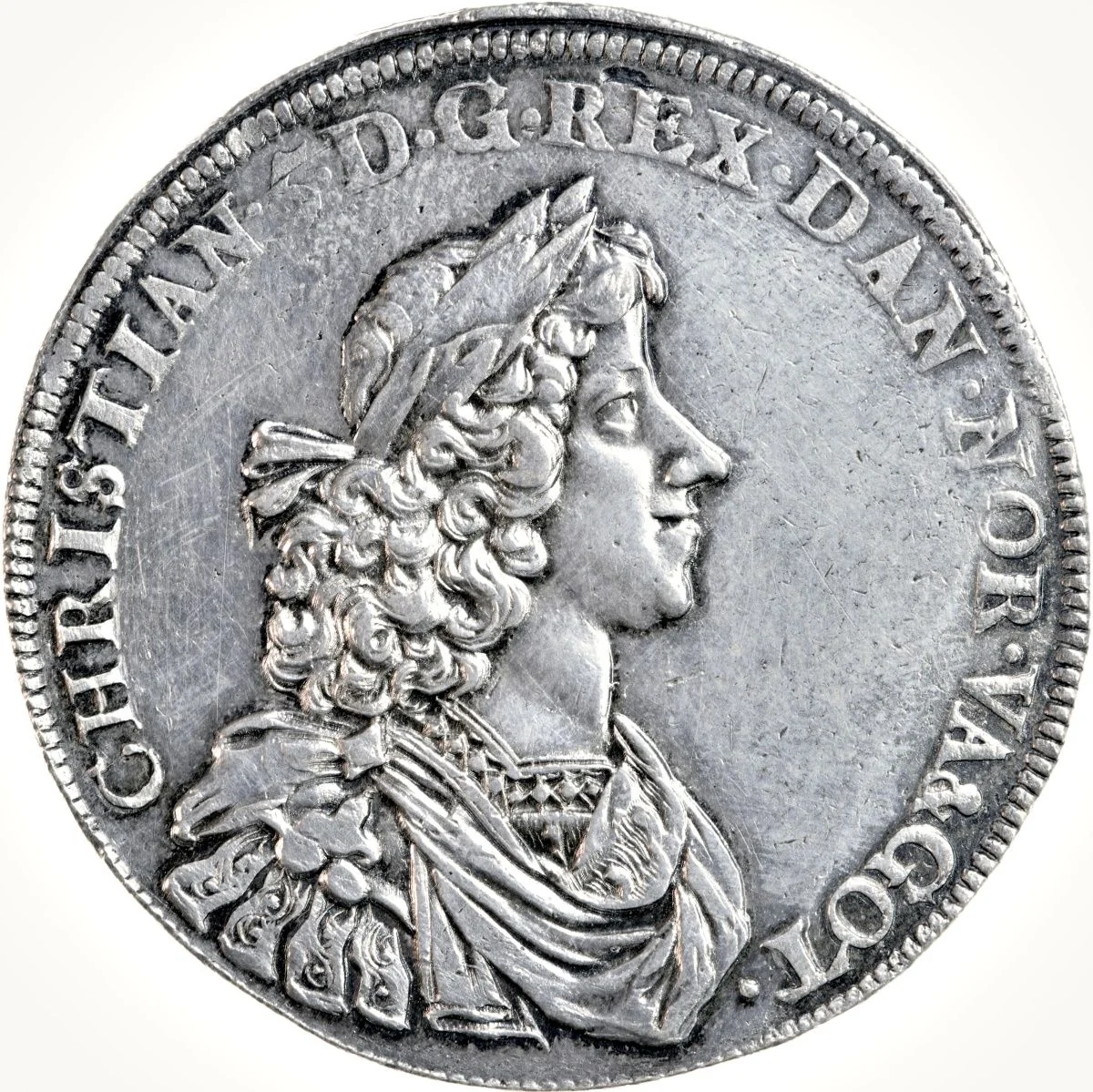
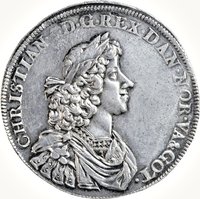
Bust of King Christian V with laurel wreath and long hair, facing right, encircled by an inscription. Rim with beaded ring.
Inscription:
CHRISTIAN·5·D·G·REX·DAN·NOR·VA&GOT·
Script: Latin
Reverse
Description:
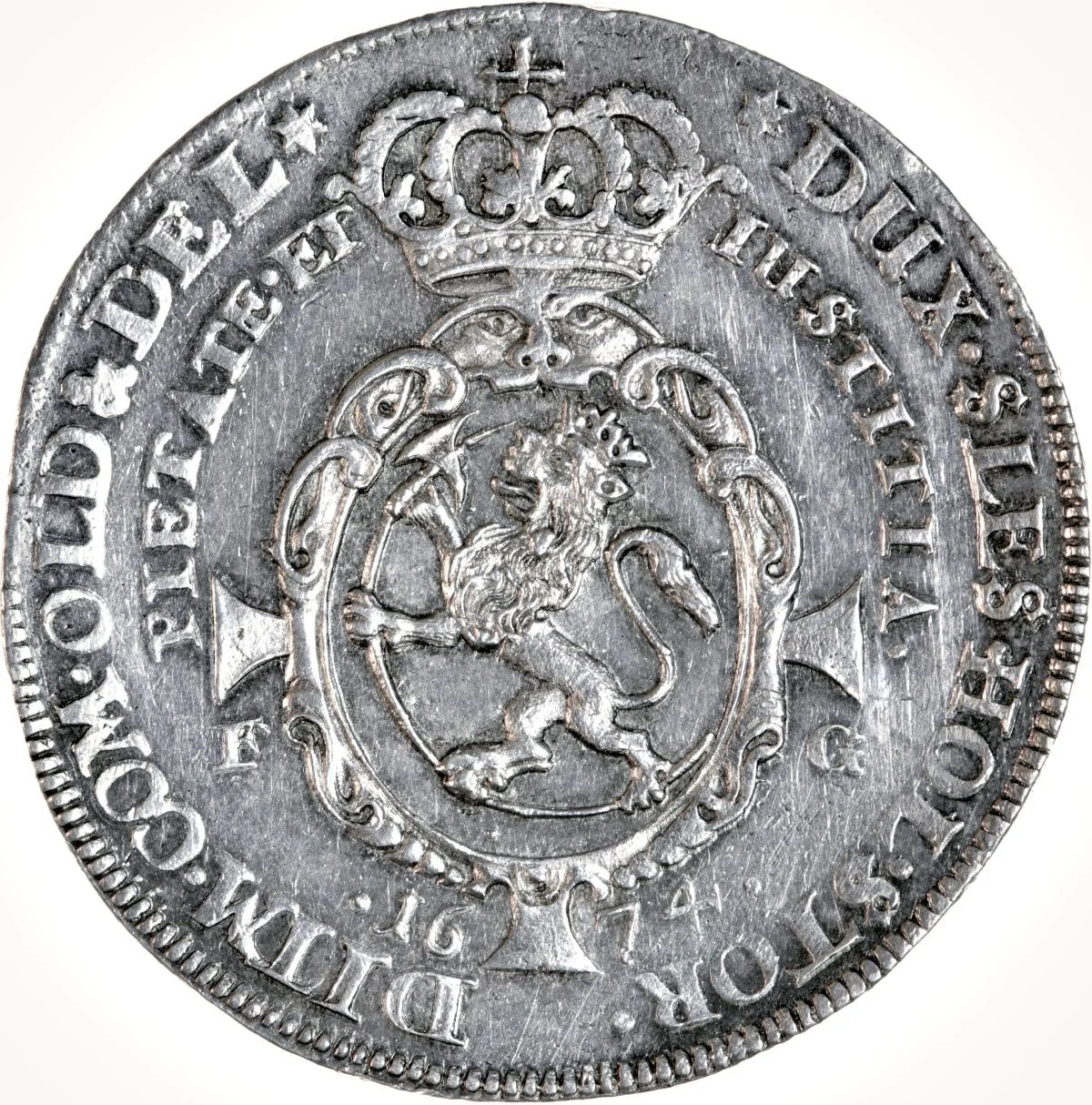
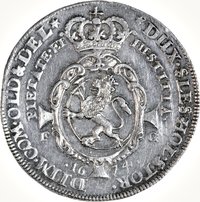
Norwegian lion with axe in crowned oval shield on a cross, flanked by inscriptions. Shield divides initials and date. Beaded rim.
Inscription:
🟌 DUX·SLES·HOL·STOR· DITM·COM·OLD&DEL 🟌
PIETATE·ET· IUSTITIA·
F G
16 74·
PIETATE·ET· IUSTITIA·
F G
16 74·
Script: Latin
Edge
Plain
Mints
| Name | Mark |
|---|---|
| Christiania | — |
Mintings
| Year | Mint Mark | Mintage | Quality | Collection |
|---|---|---|---|---|
| 1672 | — | — | ||
| 1674 | — | — |
Historical background
In 1672, Norway’s currency situation was intrinsically tied to its status as a Danish province under the absolute monarchy of King Christian V. The monetary system was part of the wider Danish-Norwegian state, which was grappling with a chronic shortage of precious metals and the resulting proliferation of underweight and debased coins. This period followed the severe financial strains of the Northern Wars, which had drained the treasury and led to repeated devaluations. The primary circulating coins included the silver riksdaler and the smaller skilling, but their actual silver content and value were unstable, causing significant uncertainty in trade and daily transactions.
A central feature of the era was the widespread use of klippe coins—square-shaped coins created by cutting larger silver plates. These were often emergency issues, struck with lower silver content than their face value suggested. This practice, along with the circulation of numerous foreign coins, created a complex and chaotic monetary environment. Merchants and the public struggled with fluctuating exchange rates and the challenge of determining the true worth of a coin, which hampered both domestic commerce and international trade, particularly with key partners like the Dutch.
The year 1672 itself fell within a period of attempted reform. The government in Copenhagen sought to stabilize the currency by introducing new, standardized coinage and recalling old, debased money. However, these efforts were only partially successful and often met with public resistance, as people hoarded older, better-quality coins (Gresham’s Law in action). Consequently, while official policies aimed at consolidation, the practical reality in Norway remained one of monetary confusion, with a mix of official and unofficial coins of varying reliability, underscoring the economic challenges of maintaining a unified currency in a vast and geographically dispersed dual monarchy.
A central feature of the era was the widespread use of klippe coins—square-shaped coins created by cutting larger silver plates. These were often emergency issues, struck with lower silver content than their face value suggested. This practice, along with the circulation of numerous foreign coins, created a complex and chaotic monetary environment. Merchants and the public struggled with fluctuating exchange rates and the challenge of determining the true worth of a coin, which hampered both domestic commerce and international trade, particularly with key partners like the Dutch.
The year 1672 itself fell within a period of attempted reform. The government in Copenhagen sought to stabilize the currency by introducing new, standardized coinage and recalling old, debased money. However, these efforts were only partially successful and often met with public resistance, as people hoarded older, better-quality coins (Gresham’s Law in action). Consequently, while official policies aimed at consolidation, the practical reality in Norway remained one of monetary confusion, with a mix of official and unofficial coins of varying reliability, underscoring the economic challenges of maintaining a unified currency in a vast and geographically dispersed dual monarchy.
✨ Legendary