

Obverse
Description:
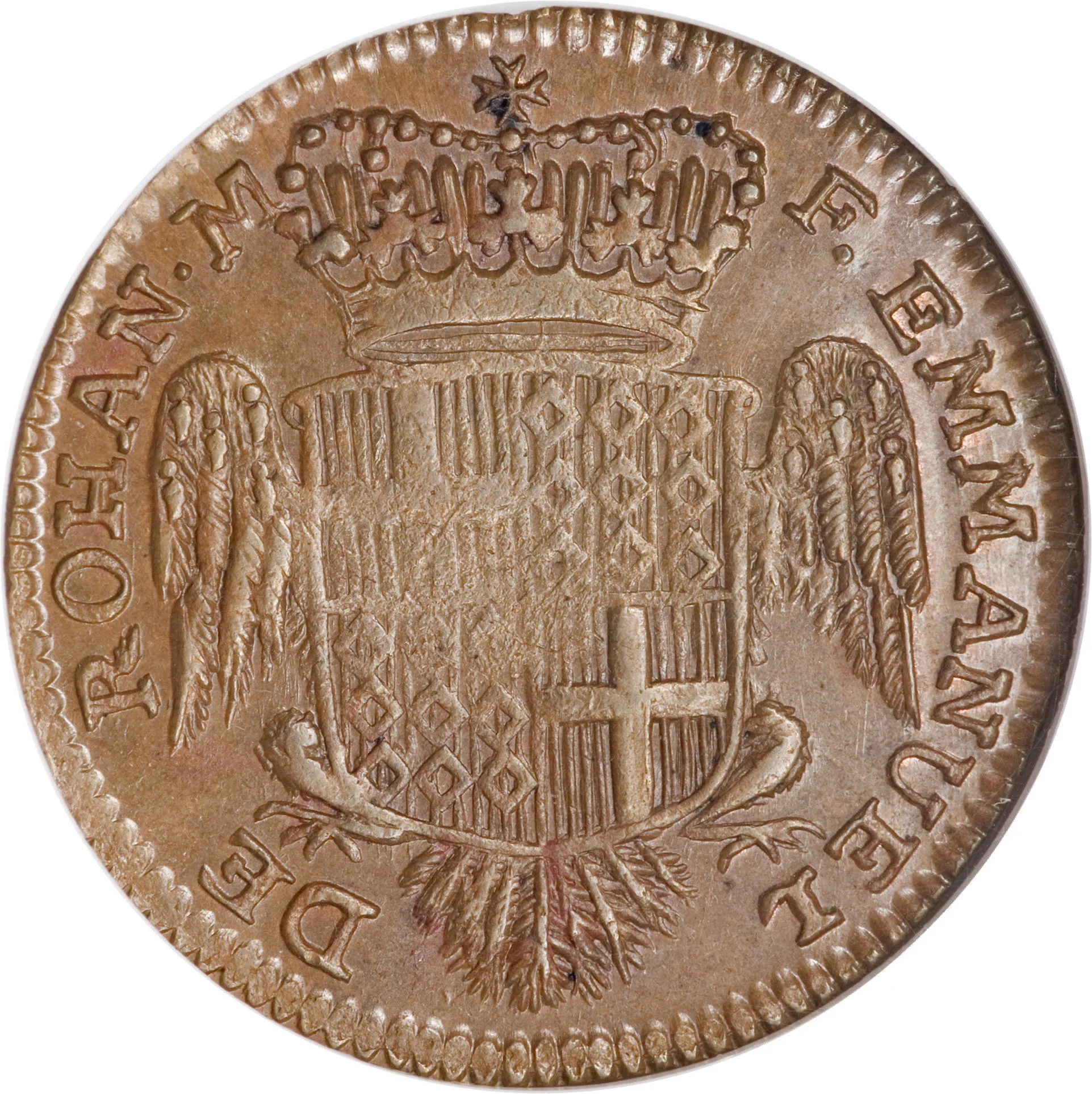
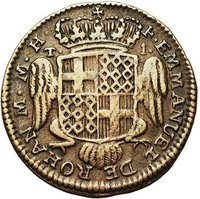
A headless eagle bears the quartered arms of Rohan and the Order upon its breast, crowned.
Inscription:
F EMMANUEL DE ROHAN M
Script: Latin
Reverse
Edge
Mintings
| Year | Mint Mark | Mintage | Quality | Collection |
|---|---|---|---|---|
| 1786 | — | — |
Historical background
In 1786, Malta’s currency situation was a complex and problematic tapestry, a direct legacy of its recent history. The islands were under the rule of the Order of Saint John, a cosmopolitan but financially strained institution. The monetary system was not unified, featuring a chaotic circulation of multiple coinages. These included the Order’s own limited silver scudi and tari, but also a vast quantity of diverse foreign coins, primarily Spanish silver dollars (pieces of eight) and their fractional parts, alongside coins from Naples, Sicily, and other Mediterranean states. This created a system of trade based on a notional "scudo" value, but reliant on physically handling a jumble of worn and clipped foreign silver.
The core issue was a severe shortage of official, high-quality small denomination coinage for everyday transactions. This forced the populace and merchants to rely heavily on underweight and debased foreign copper and billon coins, leading to widespread confusion, fraud, and economic friction. The Order’s mint struggled with profitability and could not produce enough specie to establish monetary sovereignty. Consequently, exchange rates between the various circulating media were fluid and often exploitative, hampering both local commerce and the Order's own ability to manage its treasury and pay its debts.
Recognising this crisis, Grand Master Emmanuel de Rohan-Polduc (after whom the later Maltese robani coin was named) initiated a significant monetary reform in 1786. This reform aimed to rationalise the system by introducing a new, standardized silver coinage tied to the Sicilian monetary standard, which was dominant in regional trade. While this was a crucial step toward stability, the reform's full implementation faced challenges. The ingrained habits of commerce and the sheer volume of foreign coin in circulation meant that the chaotic multi-currency reality persisted alongside the new official issues, defining Malta’s monetary landscape as one in transition from disorder toward a more controlled, but not yet fully achieved, system.
The core issue was a severe shortage of official, high-quality small denomination coinage for everyday transactions. This forced the populace and merchants to rely heavily on underweight and debased foreign copper and billon coins, leading to widespread confusion, fraud, and economic friction. The Order’s mint struggled with profitability and could not produce enough specie to establish monetary sovereignty. Consequently, exchange rates between the various circulating media were fluid and often exploitative, hampering both local commerce and the Order's own ability to manage its treasury and pay its debts.
Recognising this crisis, Grand Master Emmanuel de Rohan-Polduc (after whom the later Maltese robani coin was named) initiated a significant monetary reform in 1786. This reform aimed to rationalise the system by introducing a new, standardized silver coinage tied to the Sicilian monetary standard, which was dominant in regional trade. While this was a crucial step toward stability, the reform's full implementation faced challenges. The ingrained habits of commerce and the sheer volume of foreign coin in circulation meant that the chaotic multi-currency reality persisted alongside the new official issues, defining Malta’s monetary landscape as one in transition from disorder toward a more controlled, but not yet fully achieved, system.
✨ Legendary