

2 Mun – Joseon
Context
Material
Diameter: 30 mm
Weight: 6.53 g
Thickness: 1.2 mm
Shape: Round with a square hole
Composition: Brass
Magnetic: No
Technique: Cast
Alignment: Medal alignment
flip
References
KM: #Click to copy to clipboard75
Numista: #44237
Obverse
Description:
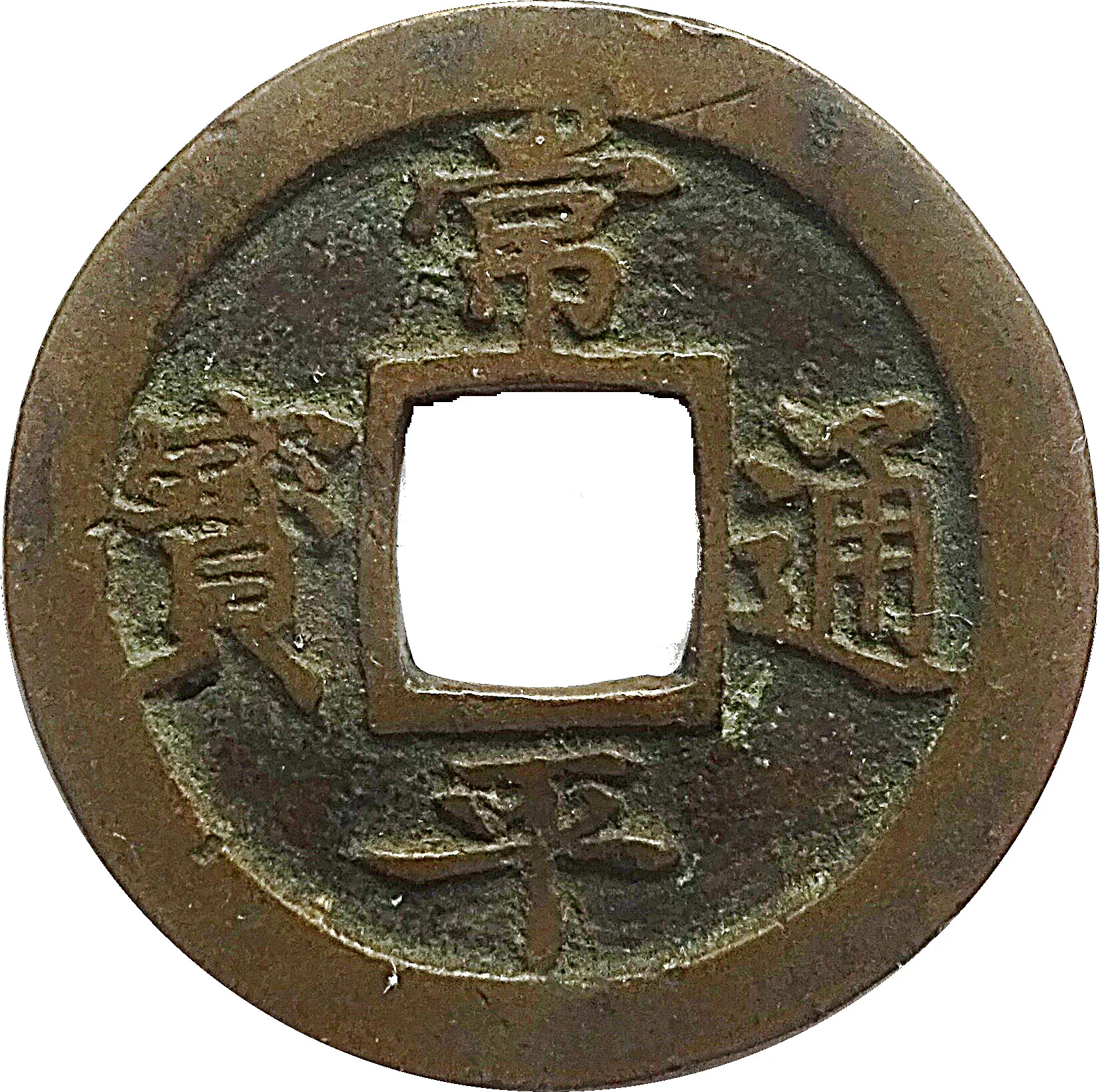
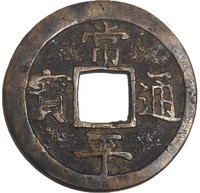
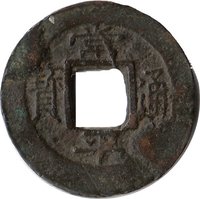
常平通寶 (Sang pyong tong bo) - Korean Yi Dynasty currency.
Inscription:
常
寶 通
平
寶 通
平
Scripts: Chinese (traditional, regular script)
Reverse
Edge
Mints
| Name | Mark |
|---|---|
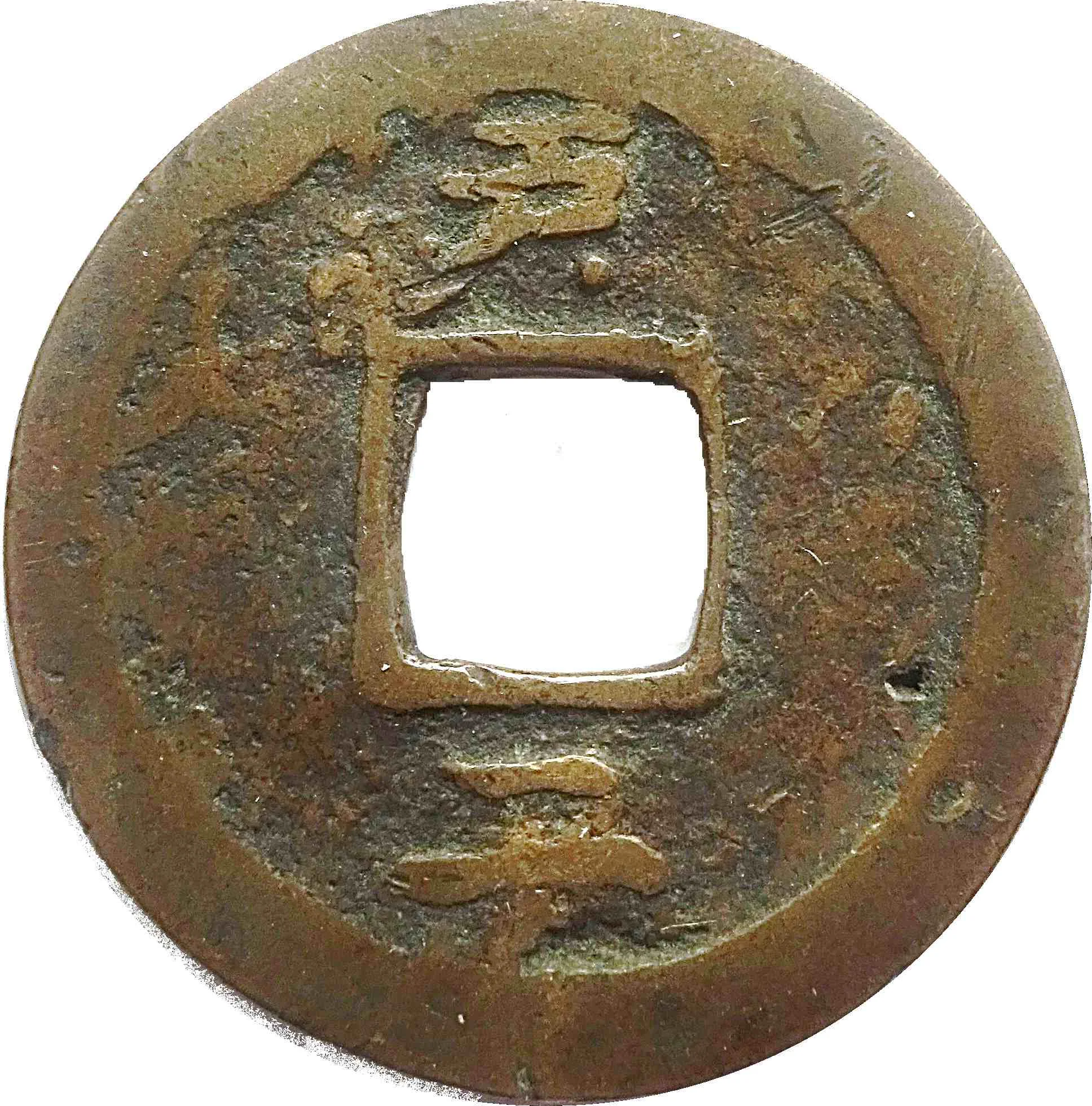
| Treasury Department | 户. |
Mintings
| Year | Mint Mark | Mintage | Quality | Collection |
|---|---|---|---|---|
| — | 户. | — |
Historical background
In 1724, the currency situation in Joseon was one of profound instability and transition, caught between the legacy of a failed monetary experiment and the pressures of a shifting economic reality. The reign of King Gyeongjong (r. 1720–1724) had just ended, and the young King Yeongjo was ascending the throne, inheriting a financial system in crisis. The root cause was the disastrous depreciation of the sangpyeong tongbo brass coin, first minted in 1678. Initially successful in facilitating commerce, decades of over-minting to cover state deficits, combined with rampant private counterfeiting, had led to severe inflation. By the 1720s, the value of the coin had collapsed, causing widespread market confusion, a loss of public trust in currency, and a retreat to barter and rice-based transactions in many areas.
This monetary collapse was exacerbated by the political turmoil of the period, specifically the bitter factional strife between the Noron and Soron political factions. The Soron, who held power during Gyeongjong's short reign, were blamed for mismanaging the currency and failing to curb counterfeiting. The economic distress fueled social discontent, as both peasants and yangban scholars suffered from the fluctuating prices and devalued wealth. Consequently, the currency crisis was not merely an economic issue but a central political challenge for the new regime, directly linked to its legitimacy and ability to govern effectively.
Therefore, the background to 1724 sets the stage for one of King Yeongjo's most significant early reforms: the Great Currency Reform of 1725. Immediately upon consolidating power, Yeongjo and his Noron advisors moved to demonetize the devalued brass coins and introduce a new, high-quality copper coin, also called sangpyeong tongbo but with a different mint mark and stricter production controls. The year 1724 thus represents the pivotal juncture of crisis and impending resolution, a moment when the state recognized that monetary stability was foundational to restoring public order and treasury solvency, leading to a deliberate and ambitious recoinage project.
This monetary collapse was exacerbated by the political turmoil of the period, specifically the bitter factional strife between the Noron and Soron political factions. The Soron, who held power during Gyeongjong's short reign, were blamed for mismanaging the currency and failing to curb counterfeiting. The economic distress fueled social discontent, as both peasants and yangban scholars suffered from the fluctuating prices and devalued wealth. Consequently, the currency crisis was not merely an economic issue but a central political challenge for the new regime, directly linked to its legitimacy and ability to govern effectively.
Therefore, the background to 1724 sets the stage for one of King Yeongjo's most significant early reforms: the Great Currency Reform of 1725. Immediately upon consolidating power, Yeongjo and his Noron advisors moved to demonetize the devalued brass coins and introduce a new, high-quality copper coin, also called sangpyeong tongbo but with a different mint mark and stricter production controls. The year 1724 thus represents the pivotal juncture of crisis and impending resolution, a moment when the state recognized that monetary stability was foundational to restoring public order and treasury solvency, leading to a deliberate and ambitious recoinage project.
💎 Very Rare