

1 Tanka – Janid dynasty
Context
Material
Diameter: 30 mm
Weight: 4.4 g
Silver weight: 4.40 g
Shape: Irregular round
Composition: Silver
Magnetic: No
Technique: Hammered
References
KM: #Click to copy to clipboard9
Numista: #435554
Value
Bullion value: $12.71
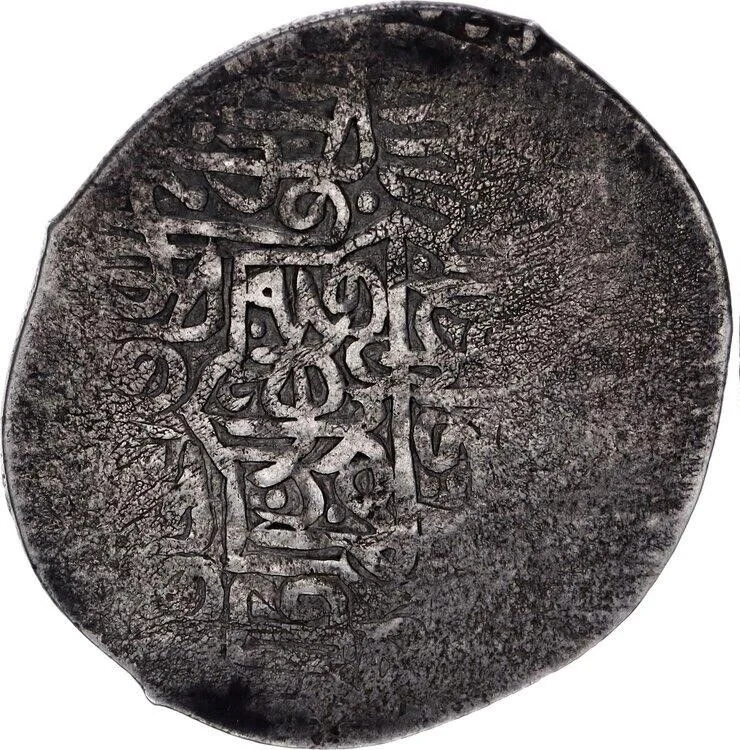
Obverse
Description:
Cartouche with ruler's name.
Script: Arabic
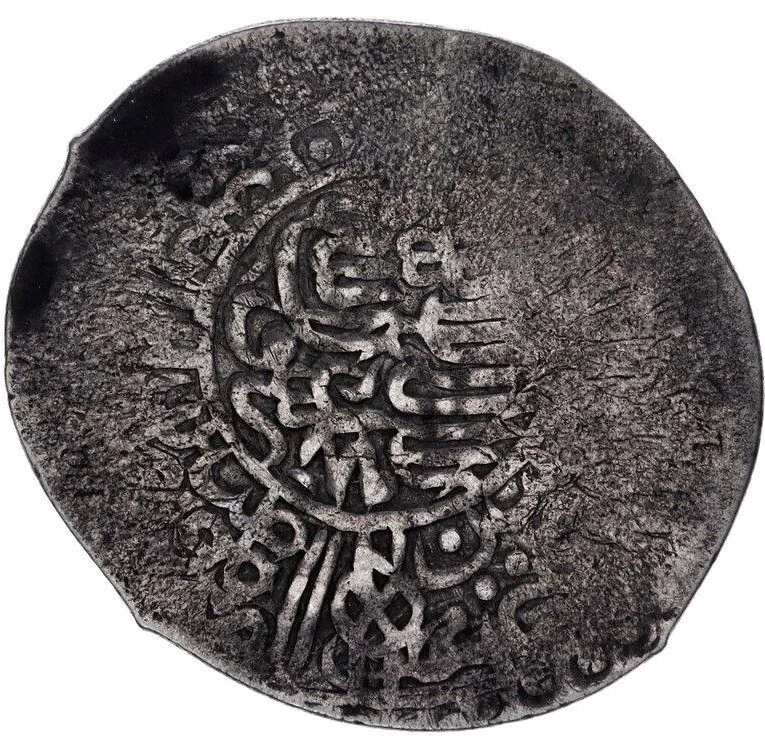
Reverse
Description:
Kalima in cartouche.
Script: Arabic
Edge
Mintings
| Year | Mint Mark | Mintage | Quality | Collection |
|---|---|---|---|---|
| — | — | — |
Historical background
The Janid dynasty (also known as the Ashtarkhanids or Toqay-Timurids), which ruled the Khanate of Bukhara from 1599, inherited a severe monetary crisis in 1605. The preceding Shaybanid period had seen rampant currency debasement, where the silver content of the primary coin, the tangah, was drastically reduced to fund military campaigns and state expenditure. By the turn of the century, the currency's value and public trust had collapsed, leading to severe inflation, market instability, and a preference for older, purer coins or barter, which crippled the centralized economy and state revenue.
Upon ascension, the Janid ruler Baqi Muhammad (r. 1603-1605) recognized that monetary reform was essential for consolidating power and restoring economic order. His major initiative, likely in the final year of his reign in 1605, was the introduction of a new, high-standard silver tangah, often referred to by later historians as the "Baqi Muhammad tangah." This coin was minted with substantially greater weight and purity than its immediate predecessors, representing a decisive attempt to break from the inflationary past and reassert sovereign authority over the monetary system.
The immediate situation in 1605, therefore, was one of transition and fragile hope. The successful implementation of this reform fell to Baqi Muhammad's successor, Vali Muhammad Khan. The dynasty's stability hinged on convincing the populace and merchants to accept the new currency, thereby restoring confidence and facilitating trade. While the 1605 reform laid a critical foundation, the Janids would continue to struggle with maintaining coinage standards throughout the 17th century, facing persistent challenges from fluctuating silver supplies and the economic pressures of sustaining their realm.
Upon ascension, the Janid ruler Baqi Muhammad (r. 1603-1605) recognized that monetary reform was essential for consolidating power and restoring economic order. His major initiative, likely in the final year of his reign in 1605, was the introduction of a new, high-standard silver tangah, often referred to by later historians as the "Baqi Muhammad tangah." This coin was minted with substantially greater weight and purity than its immediate predecessors, representing a decisive attempt to break from the inflationary past and reassert sovereign authority over the monetary system.
The immediate situation in 1605, therefore, was one of transition and fragile hope. The successful implementation of this reform fell to Baqi Muhammad's successor, Vali Muhammad Khan. The dynasty's stability hinged on convincing the populace and merchants to accept the new currency, thereby restoring confidence and facilitating trade. While the 1605 reform laid a critical foundation, the Janids would continue to struggle with maintaining coinage standards throughout the 17th century, facing persistent challenges from fluctuating silver supplies and the economic pressures of sustaining their realm.
✨ Legendary