

1 dukaat – Java
Add to wishlist
Indonesia
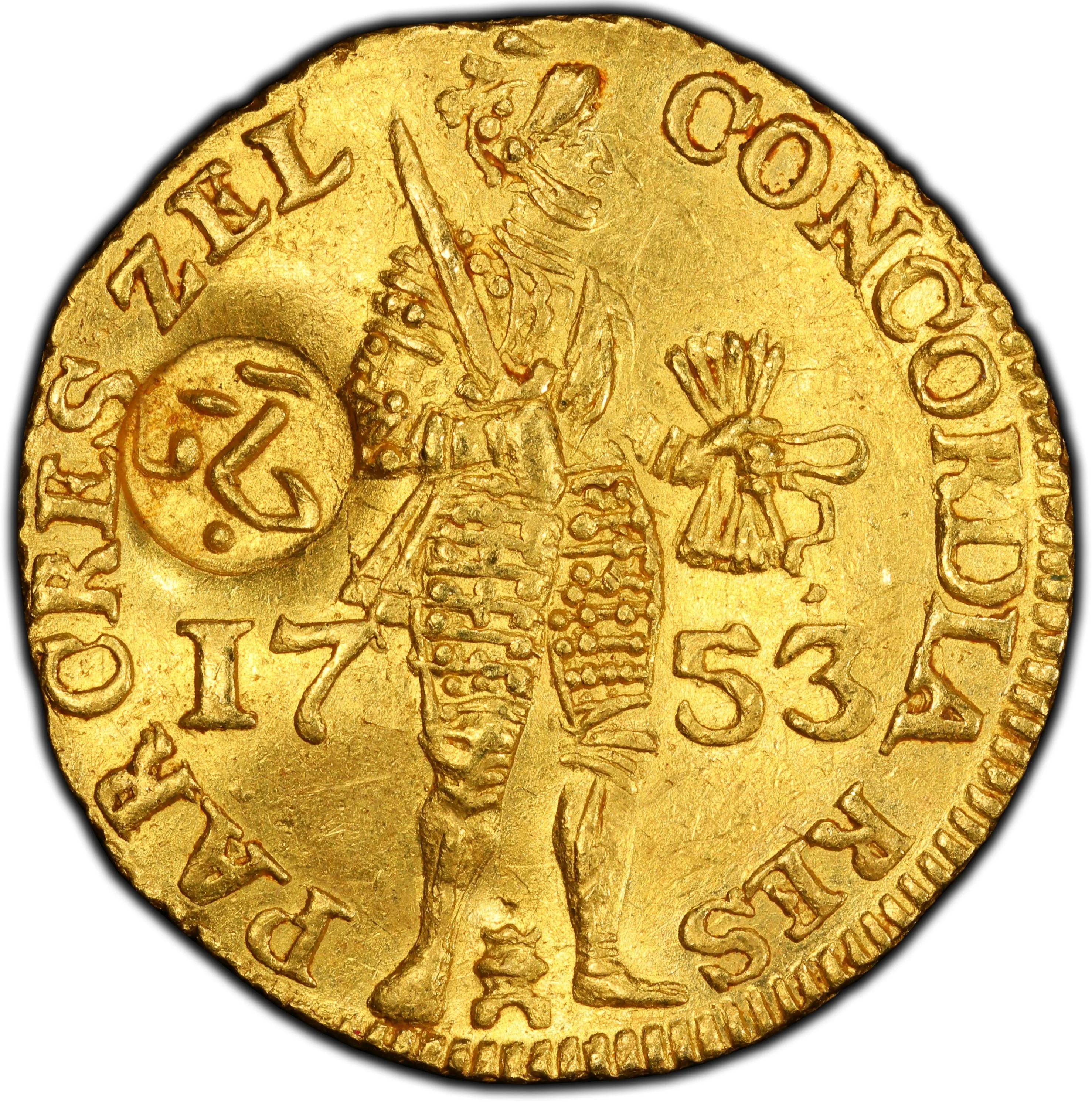
Obverse
Description:
Knight bearing countermark.
Inscription:
CONCORDIA RES PAR CRES ZEL
17 53
17 53
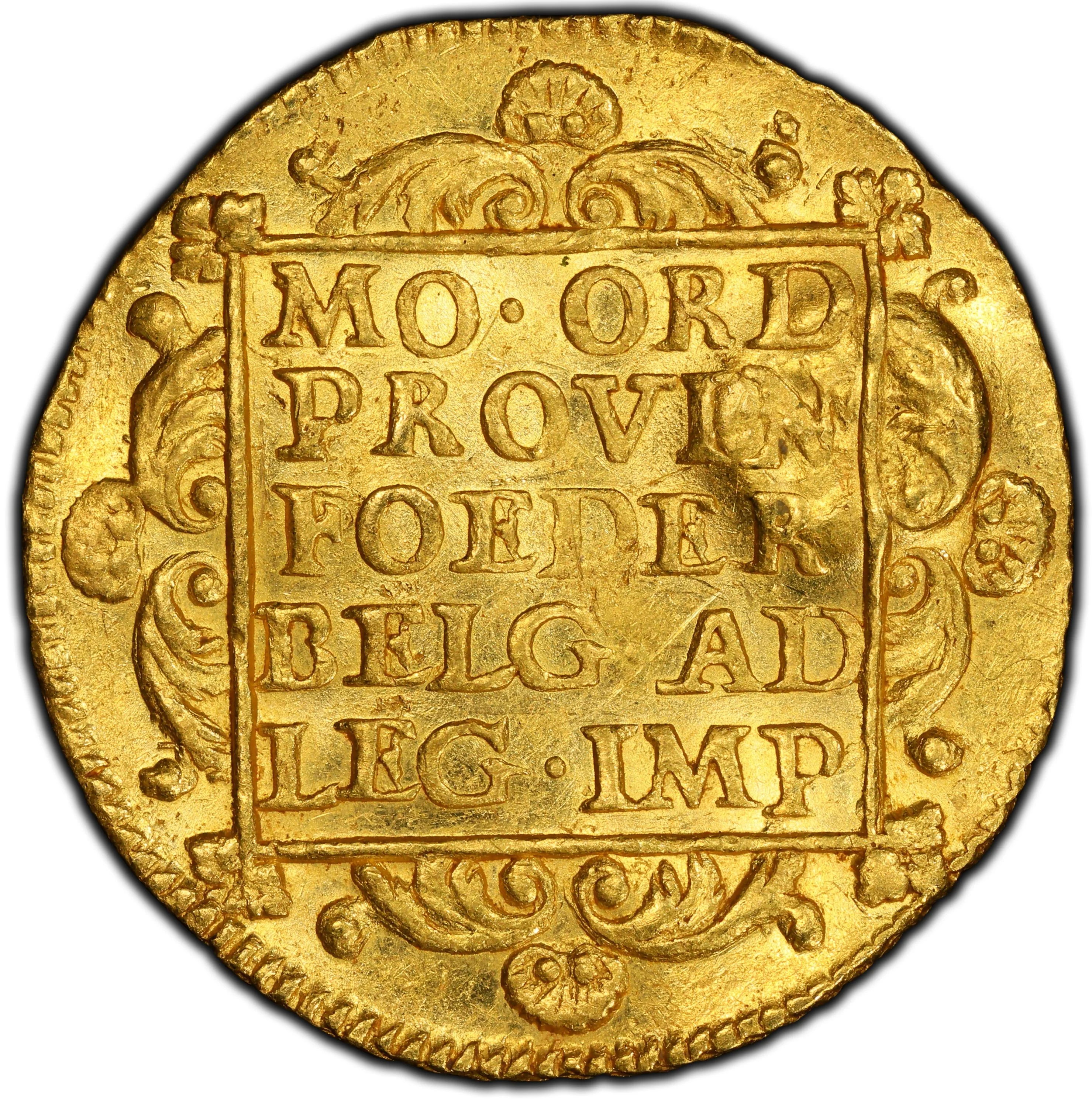
Reverse
Description:
Five-line inscription in ornate square tablet.
Inscription:
MO ORD
PROVIN
FOEDER
BELG AD
LEG IMP
PROVIN
FOEDER
BELG AD
LEG IMP
Edge
Mintings
| Year | Mint Mark | Mintage | Quality | Collection |
|---|---|---|---|---|
| — | — | — |
Historical background
In 1753, the currency situation in Java was a complex and fragmented system, reflecting the island's layered political control under the Dutch East India Company (VOC). The VOC, headquartered in Batavia (modern-day Jakarta), held de facto sovereignty over much of the coast and exerted immense economic influence inland. However, the Mataram Sultanate in Central Java, though weakened and increasingly dependent on the VOC, still retained a degree of autonomy. This political duality resulted in multiple currencies circulating simultaneously: the Dutch silver rijksdaalder and copper duit, Chinese copper cash coins (often strung together), and various locally minted picis—tin or lead coins of low value produced in the Javanese heartlands.
The primary challenge was a severe shortage of high-value, trusted coinage for major transactions, coupled with an abundance of debased and counterfeit low-value coins for daily use. The VOC's own currency, essential for paying taxes and trading at Company posts, often flowed back to Batavia, leaving the interior with a scarcity. This vacuum was filled by the fragile Javanese picis, which were prone to inflation and regional devaluation, and by Spanish silver dollars (pieces of eight) that entered through broader Asian trade networks. Consequently, exchange rates were highly unstable, varying not only between coin types but also between different markets and passir (coastal) ports.
This monetary chaos directly served VOC interests by creating a dependency on their financial infrastructure and complicating trade outside their control. The Company profited from seigniorage and enforced the use of its currency for official payments. For the Javanese populace, however, it meant a daily economic life of uncertainty, where the value of money could shift with political winds and where multiple currencies were needed to navigate different spheres of exchange—from the village market to the kraton (palace) to the VOC warehouse. This unstable system would persist until the VOC's bankruptcy in 1799 and the subsequent consolidation under the Dutch colonial state in the 19th century.
The primary challenge was a severe shortage of high-value, trusted coinage for major transactions, coupled with an abundance of debased and counterfeit low-value coins for daily use. The VOC's own currency, essential for paying taxes and trading at Company posts, often flowed back to Batavia, leaving the interior with a scarcity. This vacuum was filled by the fragile Javanese picis, which were prone to inflation and regional devaluation, and by Spanish silver dollars (pieces of eight) that entered through broader Asian trade networks. Consequently, exchange rates were highly unstable, varying not only between coin types but also between different markets and passir (coastal) ports.
This monetary chaos directly served VOC interests by creating a dependency on their financial infrastructure and complicating trade outside their control. The Company profited from seigniorage and enforced the use of its currency for official payments. For the Javanese populace, however, it meant a daily economic life of uncertainty, where the value of money could shift with political winds and where multiple currencies were needed to navigate different spheres of exchange—from the village market to the kraton (palace) to the VOC warehouse. This unstable system would persist until the VOC's bankruptcy in 1799 and the subsequent consolidation under the Dutch colonial state in the 19th century.
✨ Legendary