

3 ducats – Denmark
Add to wishlist
Denmark
Context
References
KM: #
Numista: #427458
Value
Bullion value: $1572.58
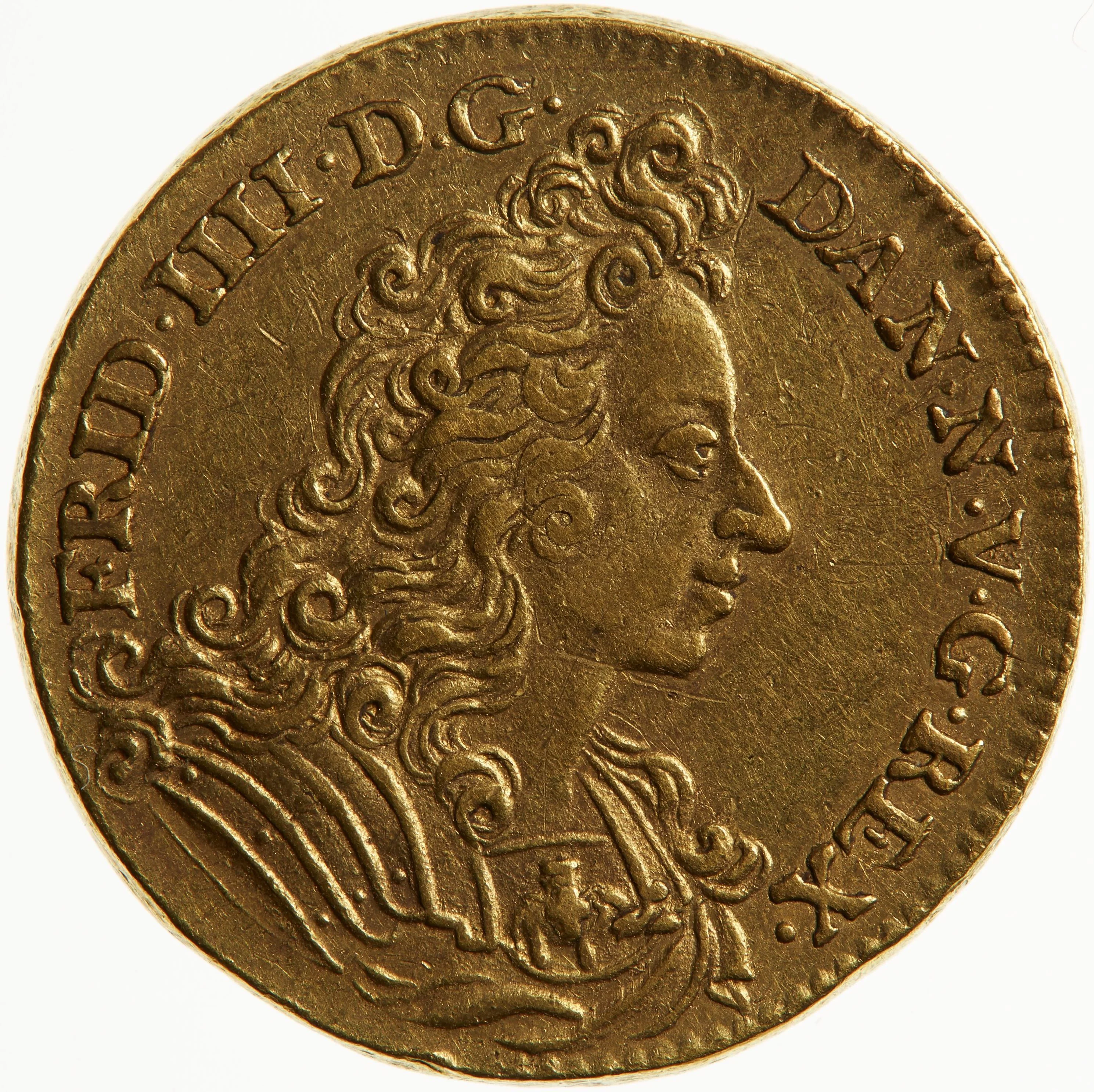
Obverse
Description:
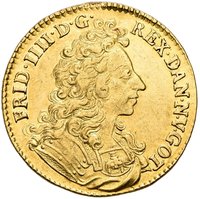
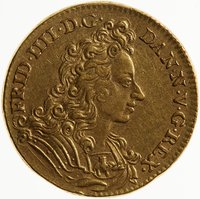
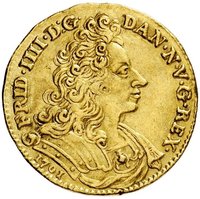
Bust of Frederick IV facing right, with long hair, ornate armor, and the Order of the Elephant.
Inscription:
FRID · IIII · D · G · DAN · N · V · G · REX ·
Script: Latin
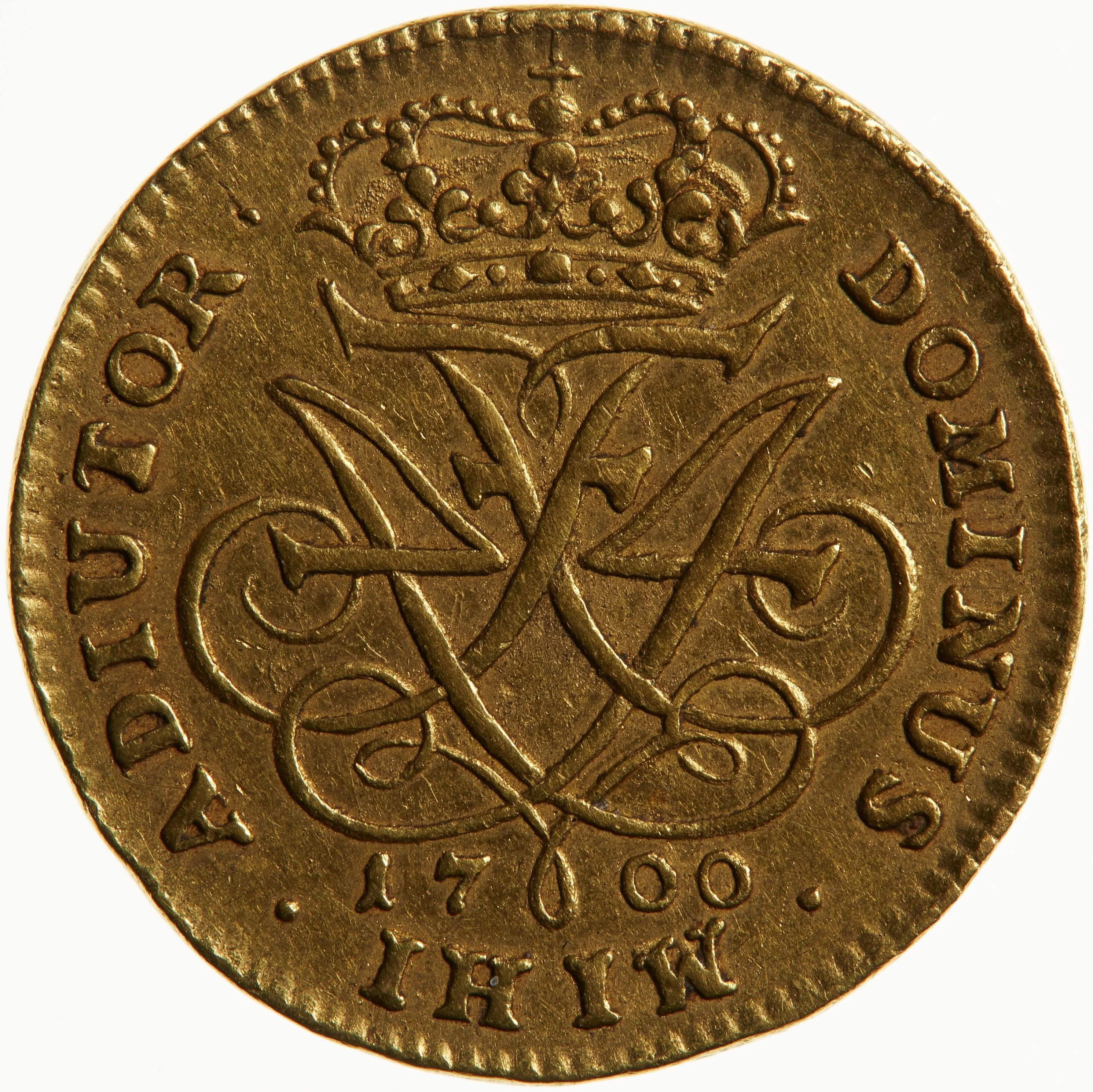
Reverse
Description:
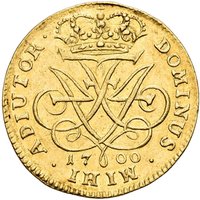
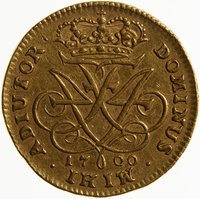
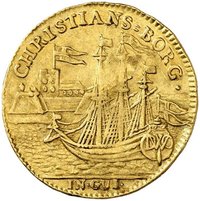
Crowned mirrored "F4" monogram of Frederick IV.
Inscription:
DOMINUS · MIHI · ADIUTOR ·
17 00
17 00
Script: Latin
Edge
Mints
| Name | Mark |
|---|---|
| Copenhagen | — |
Mintings
| Year | Mint Mark | Mintage | Quality | Collection |
|---|---|---|---|---|
| 1700 | — | — |
Historical background
In 1700, Denmark (which then included Norway) operated under a complex and often strained monetary system. The primary unit of account was the rigsdaler, subdivided into marks and skilling. However, the actual circulating medium was a chaotic mix of physical coins, including older, debased domestic coins, high-quality new coins from the royal mints, and a vast array of foreign currencies—most notably the German Reichsthaler and Dutch rijksdaalder—which circulated freely due to trade. This created significant problems, as the intrinsic silver content of these coins varied widely, leading to confusion, arbitrage, and a persistent tendency for good-quality coins to be hoarded or exported, leaving poorer coins in domestic circulation.
The root of this instability lay in the Crown's frequent financial difficulties, particularly following the costly wars of the 17th century. To raise revenue, the state had periodically engaged in debasement, reducing the silver content in newly minted coins while demanding taxes be paid in older, full-weight coins. This practice, combined with the costs of maintaining a large standing army, eroded public trust in the currency. Furthermore, the dual monarchy struggled with a chronic shortage of precious metals, as its economy was primarily agricultural and lacked major silver mines, making it dependent on foreign coin inflows through trade.
Consequently, by the turn of the 18th century, Denmark's currency situation was characterized by a disconnect between the official kurant system (based on the rigsdaler) and the actual value of circulating specie. This monetary confusion hampered commerce and state finance. It set the stage for the major reforms that would follow later in the century, most notably under King Christian VI and the influential minister Count Johan Ludvig Holstein, who sought to establish a unified, state-controlled currency to stabilize the economy and strengthen central authority.
The root of this instability lay in the Crown's frequent financial difficulties, particularly following the costly wars of the 17th century. To raise revenue, the state had periodically engaged in debasement, reducing the silver content in newly minted coins while demanding taxes be paid in older, full-weight coins. This practice, combined with the costs of maintaining a large standing army, eroded public trust in the currency. Furthermore, the dual monarchy struggled with a chronic shortage of precious metals, as its economy was primarily agricultural and lacked major silver mines, making it dependent on foreign coin inflows through trade.
Consequently, by the turn of the 18th century, Denmark's currency situation was characterized by a disconnect between the official kurant system (based on the rigsdaler) and the actual value of circulating specie. This monetary confusion hampered commerce and state finance. It set the stage for the major reforms that would follow later in the century, most notably under King Christian VI and the influential minister Count Johan Ludvig Holstein, who sought to establish a unified, state-controlled currency to stabilize the economy and strengthen central authority.
✨ Legendary