

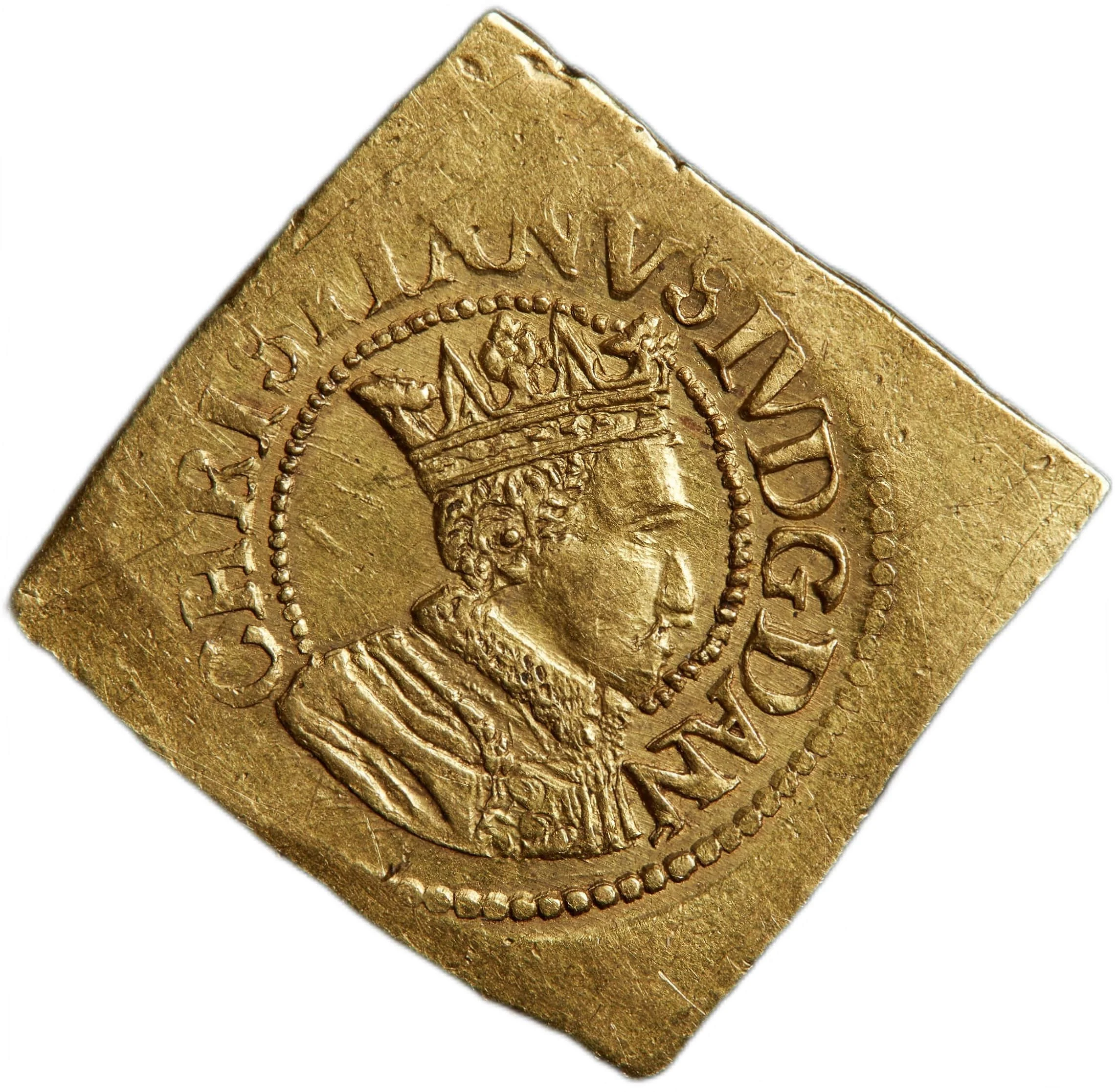
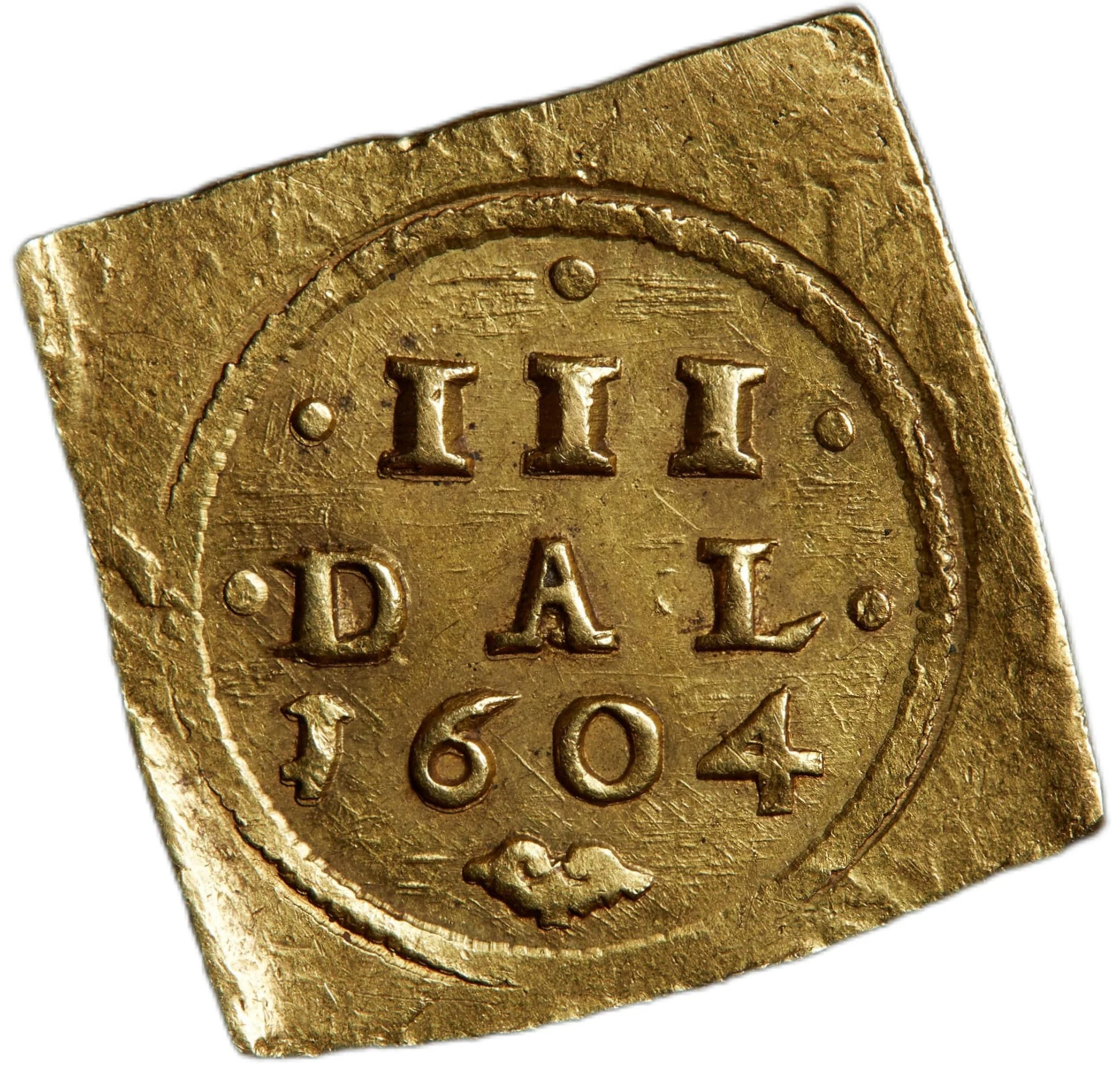
3 speciedaler – Denmark
Add to wishlist
Denmark
Context
Material
References
KM: #
Numista: #426564
Value
Bullion value: $954.01
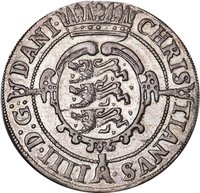
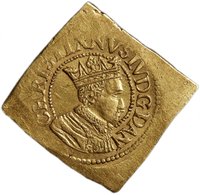
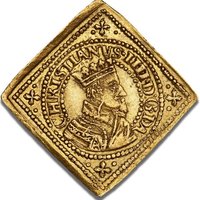
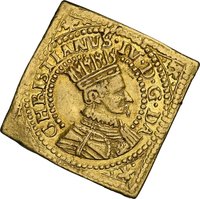
Obverse
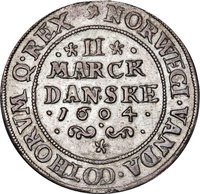
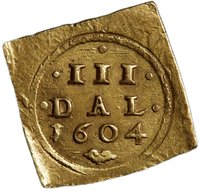
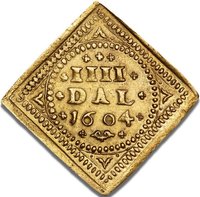
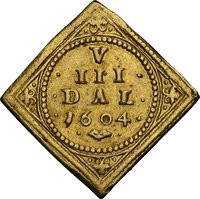
Reverse
Edge
Mintings
| Year | Mint Mark | Mintage | Quality | Collection |
|---|---|---|---|---|
| 1604 | — | 61 |
Historical background
In 1604, Denmark was operating under a complex and strained monetary system, a legacy of the Kalmar Union and successive royal debasements. The primary currency was the Danish rigsdaler, a large silver coin, but its value and silver content were unstable due to frequent wars and fiscal shortfalls. The system was officially bimetallic, with both silver and gold coins (like the Christian IV gylden), but in practice, chronic shortages of precious metals led to a circulation filled with a confusing mix of older domestic coins, foreign currencies (especially German and Dutch), and heavily clipped or worn pieces, causing significant problems for trade and daily transactions.
King Christian IV, who had taken personal rule in 1596, was actively engaged in ambitious state-building and military projects, which placed enormous strain on the treasury. While the year 1604 itself was not marked by a major monetary reform, it fell within a period of ongoing fiscal pressure that would lead to significant debasement later in his reign. The state's need for revenue often tempted the crown to reduce the silver content in newly minted coins while demanding they be accepted at their old face value, a practice that eroded public trust and sparked inflation.
Consequently, merchants and the public had to navigate a precarious environment where the intrinsic metal value of a coin could differ greatly from its nominal value. This uncertainty hampered commerce and created tension between the crown, which sought seigniorage profits from minting, and the merchant class, who desired stable money. The situation in 1604 was thus one of latent crisis, setting the stage for the more pronounced monetary manipulations and economic difficulties that would characterize much of Christian IV's long and costly reign.
King Christian IV, who had taken personal rule in 1596, was actively engaged in ambitious state-building and military projects, which placed enormous strain on the treasury. While the year 1604 itself was not marked by a major monetary reform, it fell within a period of ongoing fiscal pressure that would lead to significant debasement later in his reign. The state's need for revenue often tempted the crown to reduce the silver content in newly minted coins while demanding they be accepted at their old face value, a practice that eroded public trust and sparked inflation.
Consequently, merchants and the public had to navigate a precarious environment where the intrinsic metal value of a coin could differ greatly from its nominal value. This uncertainty hampered commerce and created tension between the crown, which sought seigniorage profits from minting, and the merchant class, who desired stable money. The situation in 1604 was thus one of latent crisis, setting the stage for the more pronounced monetary manipulations and economic difficulties that would characterize much of Christian IV's long and costly reign.
Series: 1604 Denmark circulation coins
✨ Legendary