

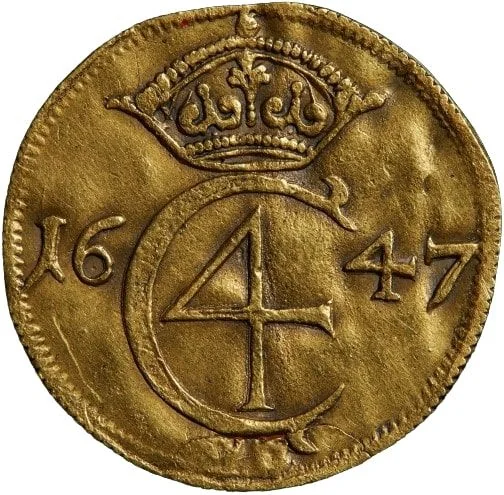
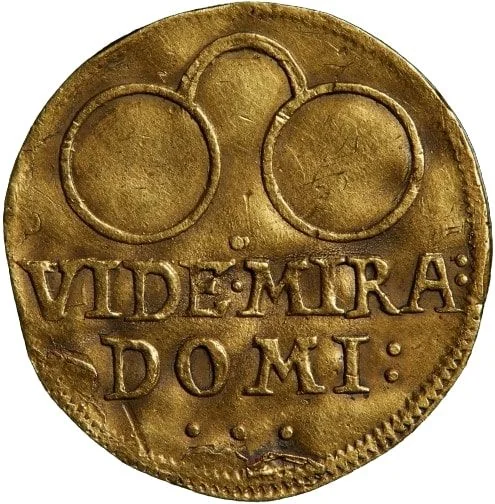
1 ducat – Denmark
Add to wishlist
Denmark
Context
References
KM: #
Numista: #425853
Value
Bullion value: $524.19
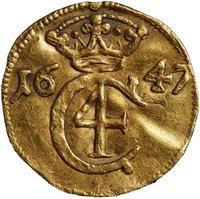
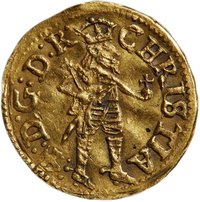
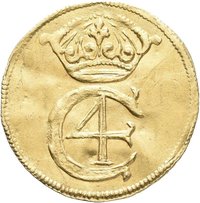
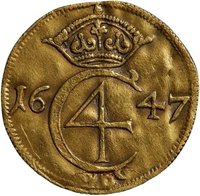
Obverse
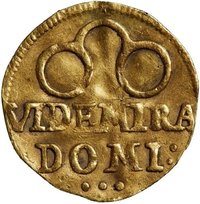
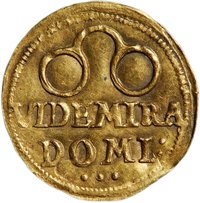
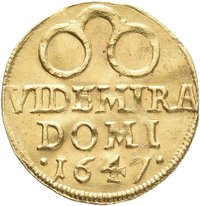
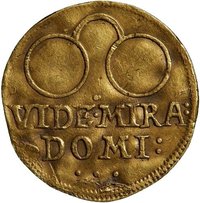
Reverse
Edge
Mintings
| Year | Mint Mark | Mintage | Quality | Collection |
|---|---|---|---|---|
| 1647 | — | — |
Historical background
In 1647, Denmark operated under a complex and strained monetary system, a legacy of the costly Thirty Years' War (1615-1643) and the ongoing wars with Sweden. The official currency was based on the silver rigsdaler, but the state's chronic fiscal deficits had led to repeated debasements of the subsidiary coinage. The government frequently reduced the silver content in smaller coins like skilling and mark, creating a disconnect between their face value and intrinsic worth. This practice, intended to generate short-term revenue, fueled inflation, eroded public trust, and created a chaotic circulation of old and new coins of varying quality.
The situation was further complicated by the widespread use of foreign currencies, particularly German and Dutch coins, which circulated freely due to their reliable silver content. This effectively created a dual system where stable foreign coins were hoarded or used for large transactions and foreign trade, while the debased domestic coinage was used for everyday local commerce. The resulting exchange rate fluctuations between different coin types created significant uncertainty for merchants and the populace, hampering economic activity.
King Christian IV, nearing the end of his long reign, had overseen this period of monetary instability. The financial exhaustion from decades of war left the crown with limited means to implement a thorough reform. Therefore, the currency situation in 1647 was one of fragmentation and decline, setting the stage for the comprehensive monetary reforms that would be undertaken by his successor, Frederik III, after the disastrous wars of 1657-1660 finally forced a complete restructuring of the Danish state and its finances.
The situation was further complicated by the widespread use of foreign currencies, particularly German and Dutch coins, which circulated freely due to their reliable silver content. This effectively created a dual system where stable foreign coins were hoarded or used for large transactions and foreign trade, while the debased domestic coinage was used for everyday local commerce. The resulting exchange rate fluctuations between different coin types created significant uncertainty for merchants and the populace, hampering economic activity.
King Christian IV, nearing the end of his long reign, had overseen this period of monetary instability. The financial exhaustion from decades of war left the crown with limited means to implement a thorough reform. Therefore, the currency situation in 1647 was one of fragmentation and decline, setting the stage for the comprehensive monetary reforms that would be undertaken by his successor, Frederik III, after the disastrous wars of 1657-1660 finally forced a complete restructuring of the Danish state and its finances.
Series: 1647 Denmark circulation coins
✨ Legendary