

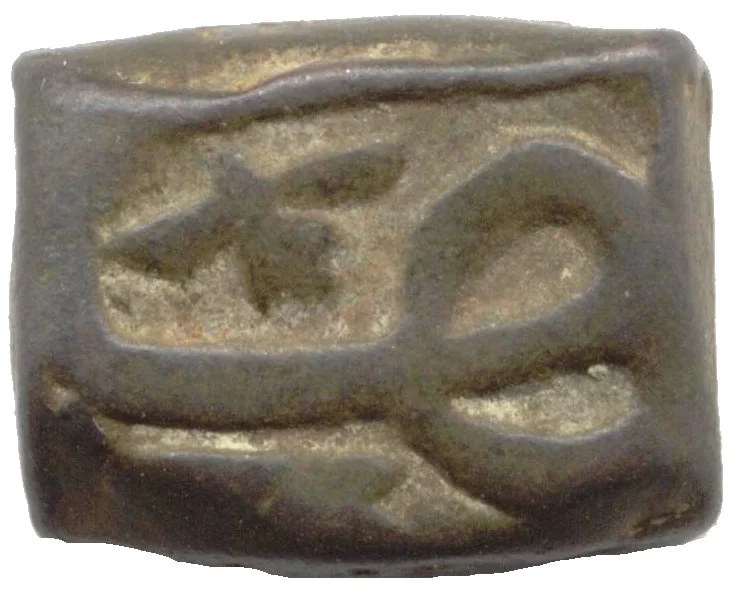
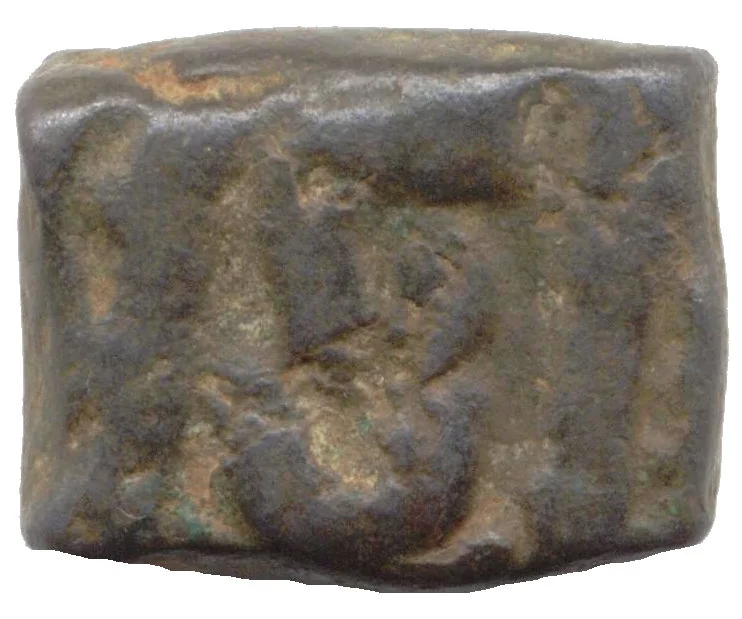
1 Falus – Mughal Empire
India
Context
Years: 1605–1627
Country: India 
Issuer: Mughal Empire
Ruler: Jahangir I
Currency:
(1540—1842)
Demonetized: Yes
Material
References
KM: #Click to copy to clipboard127.1
Numista: #42429
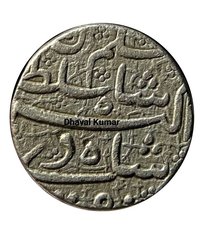
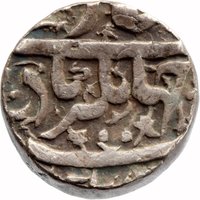
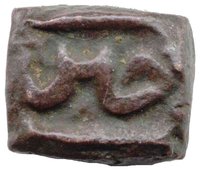
Obverse
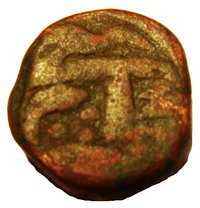
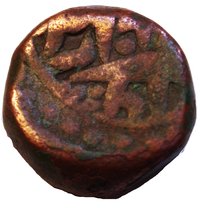
Description:
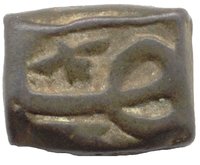
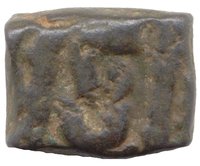
Rectangular shape possible.
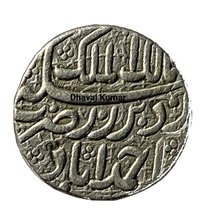
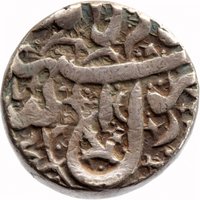
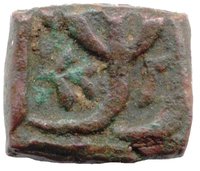
Reverse
Edge
Rough
Mintings
| Year | Mint Mark | Mintage | Quality | Collection |
|---|---|---|---|---|
| — | — | — |
Historical background
In 1605, the Mughal Empire's currency system was a sophisticated and highly centralized bimetallic standard, a legacy firmly established by Emperor Akbar (r. 1556–1605). The system revolved around two primary coins: the silver rupiya and the gold mohur. The rupiya, weighing approximately 11.5 grams of high-purity silver, was the principal coin for revenue assessment, large-scale trade, and state transactions. The gold mohur, while valuable, was less common in everyday commerce and often served as a store of wealth or for prestigious gifts. Copper dams formed the essential fractional currency for the vast majority of daily retail transactions and peasant tax payments, with 40 dams officially equating to one rupiya.
This monetary stability was underpinned by strict imperial control. Mints (dar-ul-zarb) operated under direct state supervision in major provincial capitals like Lahore, Ahmedabad, and Patna, ensuring uniform weight, purity, and design across the empire. Akbar's reforms had eliminated the earlier chaotic variety of regional issues, creating a trusted imperial currency that facilitated seamless trade and efficient revenue collection (zabt). The system's integrity was crucial for the mansabdari administration, as the salaries of nobles and officials were calculated in rupiyas but often disbursed through revenue assignments (jagirs) rather than direct coin.
However, the year 1605 marked a moment of transition with the death of Akbar and the accession of Jahangir. While the core structure remained intact, pressures were emerging. The empire's expanding economy and military campaigns created a constant demand for precious metals, particularly silver, which was largely imported via trade with the New World through the Red Sea and Persian Gulf ports. Any disruption to these flows could strain the system. Furthermore, Jahangir would later introduce more ornate and poetic coin designs, but in 1605, the currency stood as a pillar of Mughal power—uniform, reliable, and central to the economic integration of a vast and diverse subcontinent.
This monetary stability was underpinned by strict imperial control. Mints (dar-ul-zarb) operated under direct state supervision in major provincial capitals like Lahore, Ahmedabad, and Patna, ensuring uniform weight, purity, and design across the empire. Akbar's reforms had eliminated the earlier chaotic variety of regional issues, creating a trusted imperial currency that facilitated seamless trade and efficient revenue collection (zabt). The system's integrity was crucial for the mansabdari administration, as the salaries of nobles and officials were calculated in rupiyas but often disbursed through revenue assignments (jagirs) rather than direct coin.
However, the year 1605 marked a moment of transition with the death of Akbar and the accession of Jahangir. While the core structure remained intact, pressures were emerging. The empire's expanding economy and military campaigns created a constant demand for precious metals, particularly silver, which was largely imported via trade with the New World through the Red Sea and Persian Gulf ports. Any disruption to these flows could strain the system. Furthermore, Jahangir would later introduce more ornate and poetic coin designs, but in 1605, the currency stood as a pillar of Mughal power—uniform, reliable, and central to the economic integration of a vast and diverse subcontinent.
💎 Extremely Rare