

5 shillings – Scotland
Add to wishlist
United Kingdom
Context
Year: 1705
Country: United Kingdom
Issuer: Scotland
Ruler: Anne
Currency:
(1136—1707)
Demonetization: 1 June 1708
Material
References
KM: #
Numista: #42269
Obverse
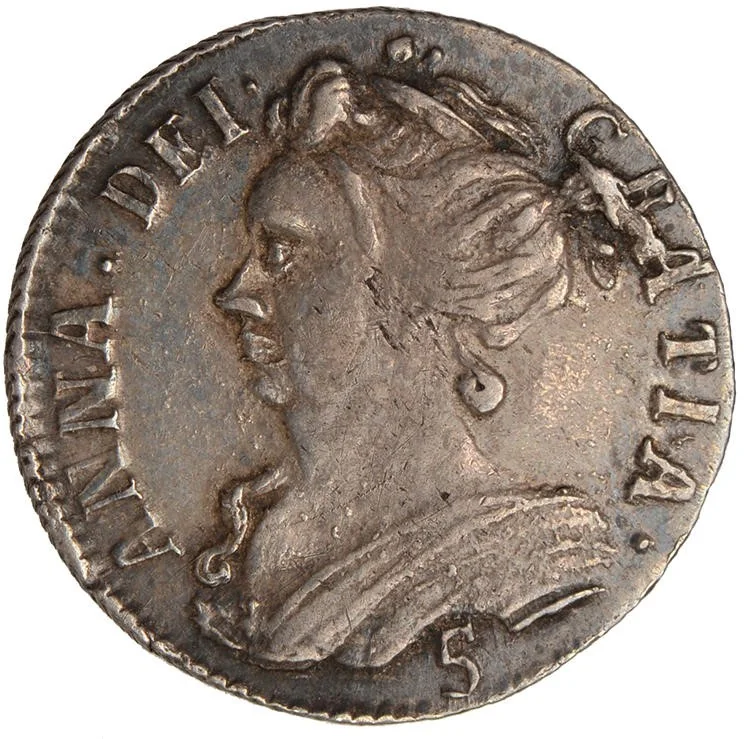
Description:
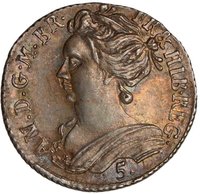
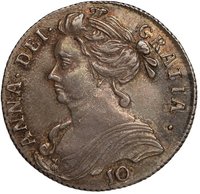
Queen Anne left-facing bust, value mark below.
Inscription:
ANNA · DEI · GRATIA ·
Script: Latin
Reverse
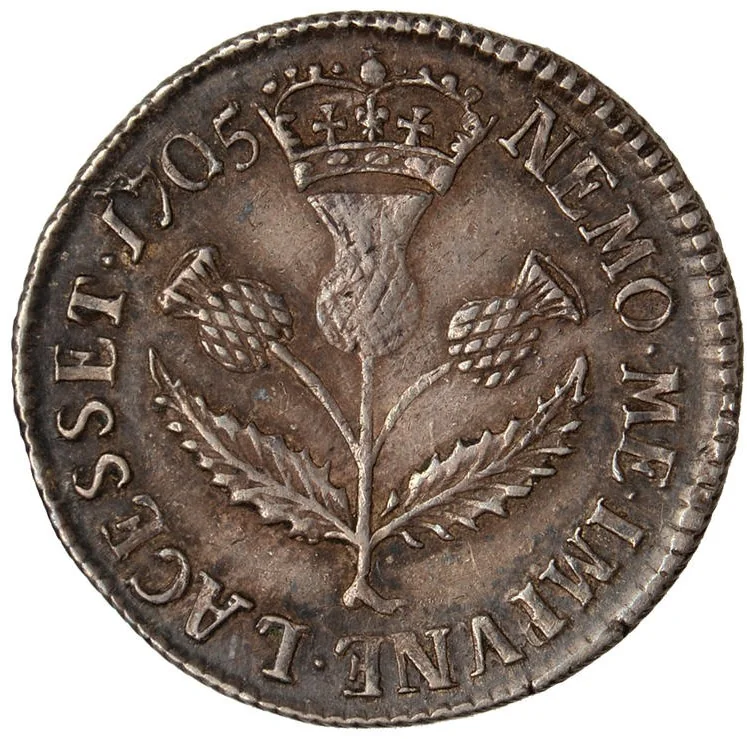
Description:
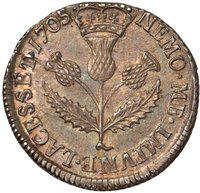
Crowned triple thistle.
Inscription:
NEMO · ME · IMPVNE · LACESSET · 1705
Script: Latin
Edge
Mints
| Name | Mark |
|---|---|
| Edinburgh | — |
Mintings
| Year | Mint Mark | Mintage | Quality | Collection |
|---|---|---|---|---|
| 1705 | — | — |
Historical background
In 1705, Scotland found itself in a precarious and volatile currency situation, a direct consequence of the disastrous Darien Scheme and the broader economic divergence from its southern neighbour, England. The failure of the colonial venture in the late 1690s had catastrophically drained capital, ruining many nobles and merchants and leaving the Scottish exchequer deeply impoverished. This financial crisis was exacerbated by a severe shortage of specie (coin), leading to widespread use of heavily debased and foreign coins, which crippled domestic trade and international credit. The Scottish pound, while theoretically separate, had a fluctuating exchange rate with the English pound, typically standing at a disadvantageous ratio of 12:1, symbolising Scotland’s weaker economic position.
This monetary instability became a central pressure point in the heated political debates surrounding the proposed Union with England. The Scottish economy was languishing, locked out of England’s lucrative colonial markets by protectionist legislation like the Alien Act of 1705, which threatened to embargo Scottish key exports unless negotiations for union began. England, seeking to secure the Hanoverian Protestant succession and eliminate a potential backdoor for French influence, saw Scotland’s financial vulnerability as a lever. From London’s perspective, monetary union and the adoption of the stable English pound sterling were non-negotiable prerequisites for a full political union, promising to rescue Scotland from its monetary chaos.
Thus, by the close of 1705, the currency situation was not merely an economic issue but the crucible of Scotland’s national future. The dire lack of sound money made the country’s governing classes increasingly receptive to English overtures, as the promised “Equivalent” – a substantial cash payment to compensate Darien investors and assume Scotland’s national debt – and access to a stronger currency became powerful incentives. The monetary crisis, therefore, directly paved the way for the Treaty of Union in 1707, where the creation of a single currency under the control of the Bank of England was a foundational term, ending Scotland’s independent coinage but integrating it into a far larger and more stable financial system.
This monetary instability became a central pressure point in the heated political debates surrounding the proposed Union with England. The Scottish economy was languishing, locked out of England’s lucrative colonial markets by protectionist legislation like the Alien Act of 1705, which threatened to embargo Scottish key exports unless negotiations for union began. England, seeking to secure the Hanoverian Protestant succession and eliminate a potential backdoor for French influence, saw Scotland’s financial vulnerability as a lever. From London’s perspective, monetary union and the adoption of the stable English pound sterling were non-negotiable prerequisites for a full political union, promising to rescue Scotland from its monetary chaos.
Thus, by the close of 1705, the currency situation was not merely an economic issue but the crucible of Scotland’s national future. The dire lack of sound money made the country’s governing classes increasingly receptive to English overtures, as the promised “Equivalent” – a substantial cash payment to compensate Darien investors and assume Scotland’s national debt – and access to a stronger currency became powerful incentives. The monetary crisis, therefore, directly paved the way for the Treaty of Union in 1707, where the creation of a single currency under the control of the Bank of England was a foundational term, ending Scotland’s independent coinage but integrating it into a far larger and more stable financial system.
✨ Legendary