

Obverse
Description:
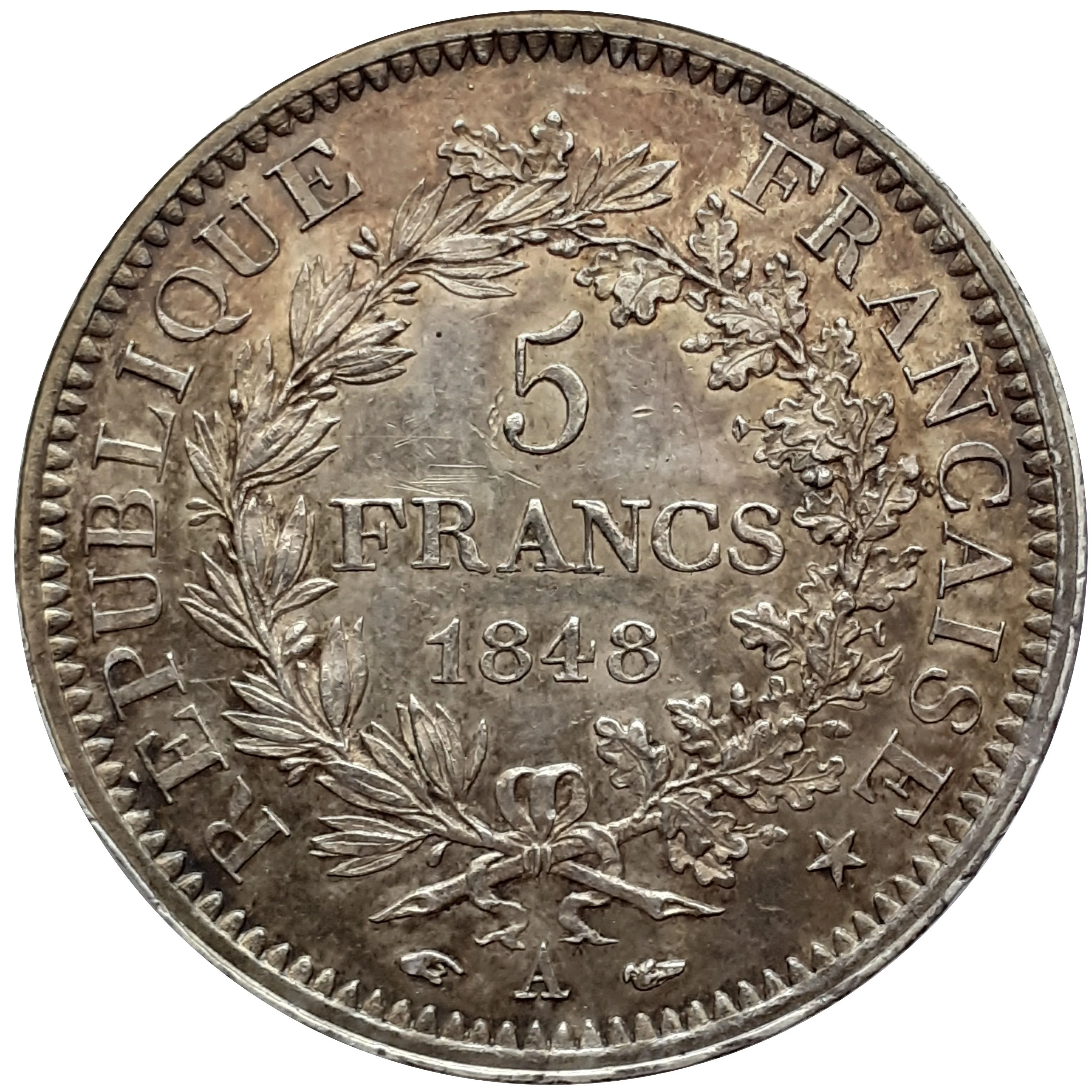
Denomination over date in wreath.
Inscription:
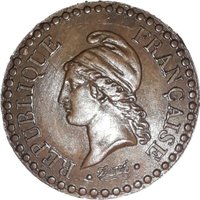
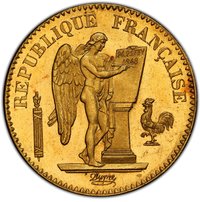
RÉPUBLIQUE FRANÇAISE
5
FRANCS
1848 A
5
FRANCS
1848 A
Translation:
FRENCH REPUBLIC
5
FRANCS
1848 A
5
FRANCS
1848 A
Script: Latin
Language: French
Engraver: Augustin Dupré
Reverse
Description:
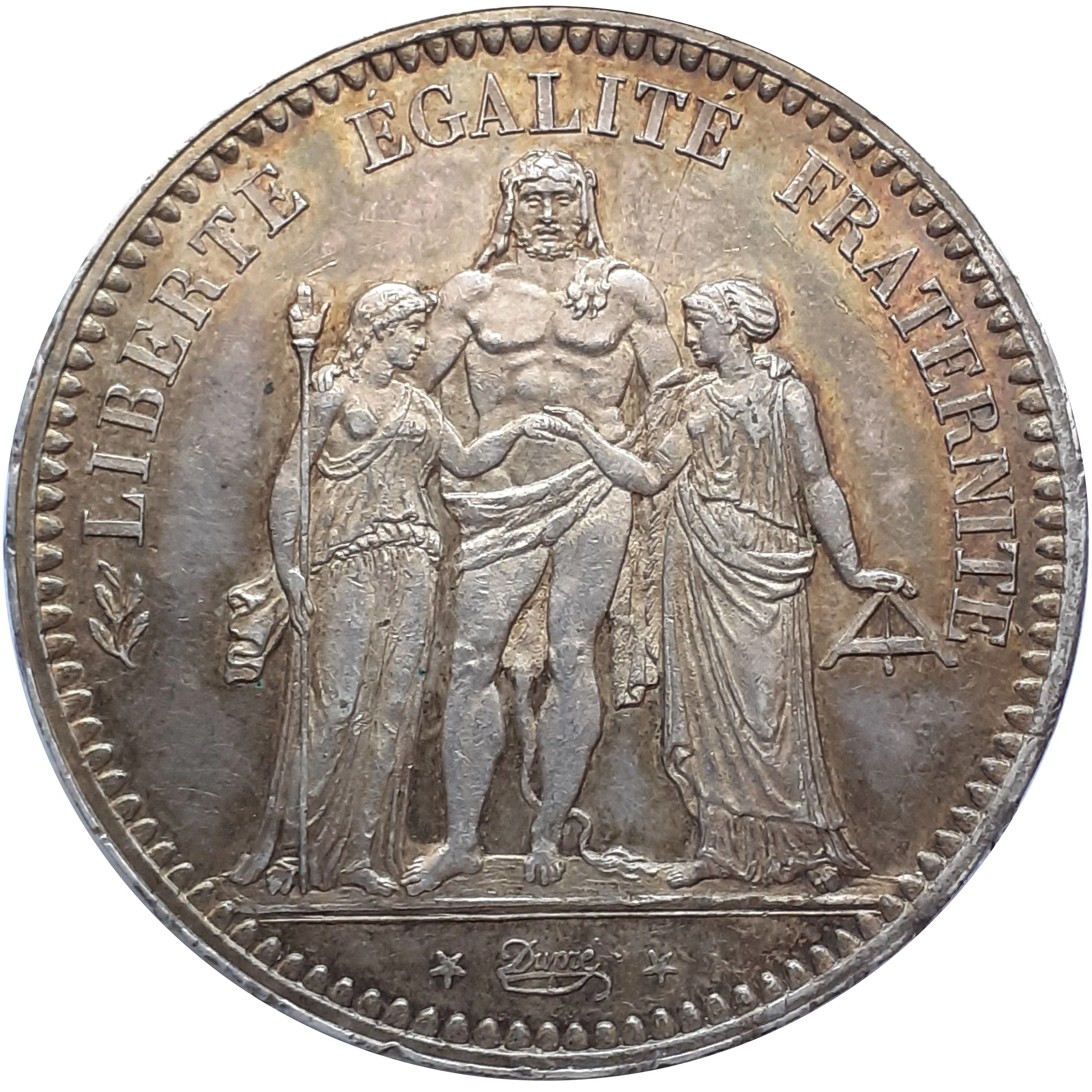
Hercules group, exergue line.
Inscription:
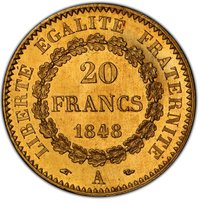
LIBERTÉ ÉGALITÉ FRATERNITÉ
Translation:
Liberty Equality Fraternity
Script: Latin
Language: French
Engraver: Augustin Dupré
Edge
Smooth and inscripted
Legend:
DIEU PROTEGE LA FRANCE
Translation:
God protect France.
Language: French
Categories
| Mythology |
| Symbol> Phrygian cap |
Mints
| Name | Mark |
|---|---|
| Monnaie de Paris | A |
| Strasbourg | BB |
| Lyon | D |
| Bordeaux | K |
Mintings
Historical background
The currency situation in France in 1848 was born from profound political and economic crisis. The February Revolution overthrew the July Monarchy and established the Second Republic, but it inherited a state teetering on bankruptcy. Years of government overspending, a severe agricultural and industrial depression, and a massive loss of investor confidence triggered a financial panic. Capital fled, the stock exchange crashed, and the new Provisional Government faced an immediate liquidity crisis, with its treasury nearly empty and public credit evaporating.
In response, the government made two drastic and interconnected monetary decisions. First, to meet its obligations and fund its ambitious social programs (like the National Workshops), it resorted to printing money by authorizing the issue of 100 million francs in new banknotes. Second, and more radically, it decreed a forced circulation for the notes of the Bank of France, effectively making them legal tender. Most controversially, it also attempted to partially demonetize specie by placing restrictions on the amount of gold or silver that could be withdrawn from the Bank, aiming to stem the hemorrhaging of hard currency reserves.
These emergency measures had severe consequences. The public, fearing inflation and devaluation, hoarded gold and silver, leading to a disappearance of specie from circulation—a classic example of Gresham's Law. The new paper money, the bons du Trésor, quickly depreciated, creating a disruptive dual-currency system where metal was valued at a premium over paper. This monetary instability exacerbated the general economic distress, fueled social unrest, and contributed to the political polarization that culminated in the bloody June Days uprising. The crisis ultimately cemented the conservative desire for monetary orthodoxy, paving the way for the eventual stability of the gold-backed franc under Napoleon III.
In response, the government made two drastic and interconnected monetary decisions. First, to meet its obligations and fund its ambitious social programs (like the National Workshops), it resorted to printing money by authorizing the issue of 100 million francs in new banknotes. Second, and more radically, it decreed a forced circulation for the notes of the Bank of France, effectively making them legal tender. Most controversially, it also attempted to partially demonetize specie by placing restrictions on the amount of gold or silver that could be withdrawn from the Bank, aiming to stem the hemorrhaging of hard currency reserves.
These emergency measures had severe consequences. The public, fearing inflation and devaluation, hoarded gold and silver, leading to a disappearance of specie from circulation—a classic example of Gresham's Law. The new paper money, the bons du Trésor, quickly depreciated, creating a disruptive dual-currency system where metal was valued at a premium over paper. This monetary instability exacerbated the general economic distress, fueled social unrest, and contributed to the political polarization that culminated in the bloody June Days uprising. The crisis ultimately cemented the conservative desire for monetary orthodoxy, paving the way for the eventual stability of the gold-backed franc under Napoleon III.
🌱 Very Common