

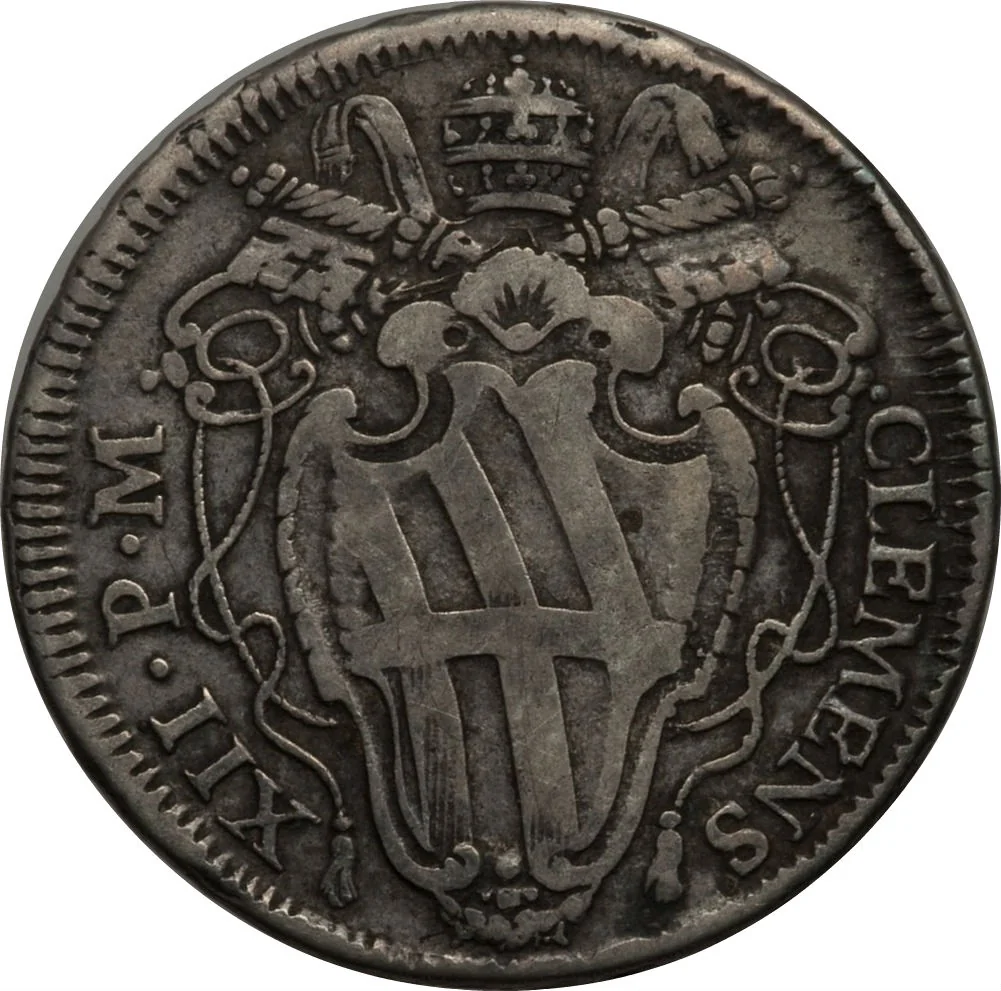
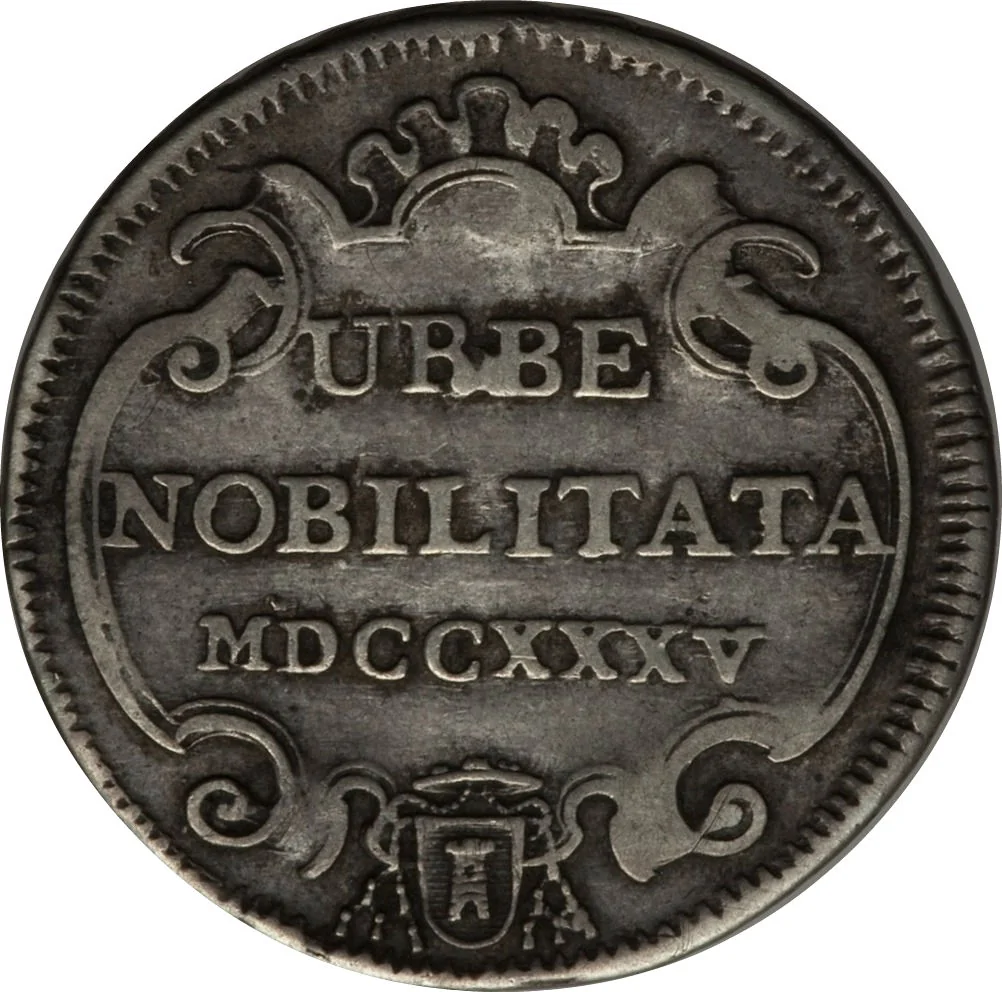
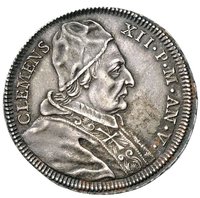
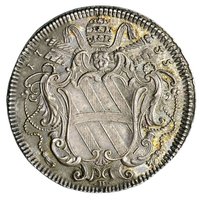
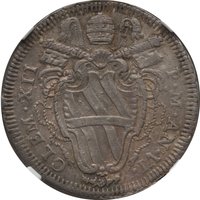
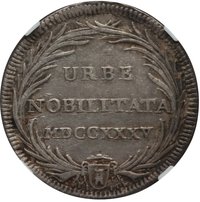
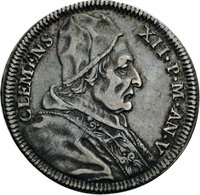
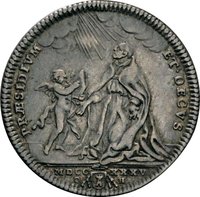
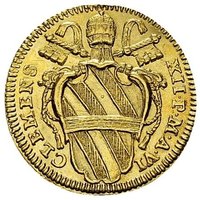
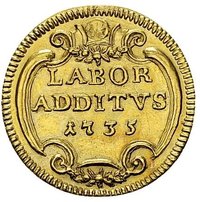
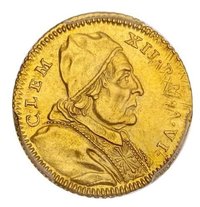
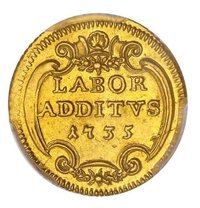
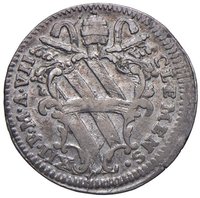
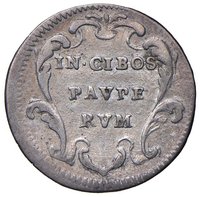
1 teston – Papal States
Add to wishlist
Vatican City
Context
Year: 1735
Country: Vatican City
Issuer: Papal States
Ruler: Clement XII
Currency:
(1534—1835)
Demonetized: Yes
Material
References
KM: #
Numista: #113849
Value
Bullion value: $18.48
Obverse
Reverse
Edge
Mintings
| Year | Mint Mark | Mintage | Quality | Collection |
|---|---|---|---|---|
| 1735 | — | — |
Historical background
In 1735, the Papal States found itself in a complex and challenging monetary situation, typical of the fragmented Italian peninsula in the early 18th century. The state lacked a unified, authoritative currency, leading to a chaotic circulation of diverse coins. The primary unit of account was the scudo, divided into 100 baiochi, each worth 5 quattrini. However, the actual coins in circulation were a bewildering mix of domestic issues from various papal mints (like Rome and Bologna), older papal coinage from previous reigns, and a flood of foreign silver and gold coins from neighbouring states such as Spain, France, and the Italian duchies. This proliferation undermined the papal government's control over its own economy.
The root of the instability lay in the chronic fiscal strain of the Papal government, which frequently resorted to debasement—reducing the precious metal content in coins while maintaining their face value—to finance deficits and meet obligations. This practice, particularly under Pope Clement XII (elected in 1730), eroded public trust in the currency. The simultaneous circulation of older, purer coins and newer, debased ones led to Gresham's Law in action: "bad money drives out good." Hoarders and merchants would export or melt down the full-value coins, leaving only the inferior currency in daily use, thereby driving up prices and causing inflation that disproportionately hurt the poor.
Efforts at reform were halting and often ineffective. The papal administration understood the need for standardization and attempted edicts to fix exchange rates between the myriad coins, but these were difficult to enforce. The monetary chaos mirrored the broader administrative weaknesses of the Papal States, where temporal governance was often secondary to spiritual concerns and local interests. Consequently, in 1735, the monetary system remained a significant impediment to economic development, creating a climate of uncertainty for trade and complicating both taxation and daily commerce for the populace.
The root of the instability lay in the chronic fiscal strain of the Papal government, which frequently resorted to debasement—reducing the precious metal content in coins while maintaining their face value—to finance deficits and meet obligations. This practice, particularly under Pope Clement XII (elected in 1730), eroded public trust in the currency. The simultaneous circulation of older, purer coins and newer, debased ones led to Gresham's Law in action: "bad money drives out good." Hoarders and merchants would export or melt down the full-value coins, leaving only the inferior currency in daily use, thereby driving up prices and causing inflation that disproportionately hurt the poor.
Efforts at reform were halting and often ineffective. The papal administration understood the need for standardization and attempted edicts to fix exchange rates between the myriad coins, but these were difficult to enforce. The monetary chaos mirrored the broader administrative weaknesses of the Papal States, where temporal governance was often secondary to spiritual concerns and local interests. Consequently, in 1735, the monetary system remained a significant impediment to economic development, creating a climate of uncertainty for trade and complicating both taxation and daily commerce for the populace.
✨ Legendary